
Dulse About Guide Part 7
Introduction
Dulse, scientifically known as Palmaria palmata, is a red seaweed that has garnered attention not only for its unique flavor profile but also for its nutritional benefits and culinary versatility. Traditionally consumed in coastal regions, particularly in the North Atlantic, dulse is now recognized globally for its diverse applications in modern cuisine. This guide aims to provide a comprehensive overview of dulse, covering its history, production, quality, uses, and more.
What Is Dulse?
Dulse is a type of edible red algae that grows primarily along the rocky coastlines of the North Atlantic and North Pacific Oceans. It is characterized by its flat, broad fronds that can range in color from deep red to purple-brown. This seaweed is typically harvested in the spring and summer months, when its nutrient content is at its peak. Dulse can be consumed fresh, dried, or powdered, making it a versatile ingredient in various dishes.
History and Origins
The history of dulse can be traced back thousands of years, with early records indicating its use by ancient Irish and Scottish communities as a staple food source. The Gaelic word for dulse, “dulse,” is believed to have originated from the Old Norse term “duls,” referring to edible seaweeds. Historically, dulse was valued not only for its nutritional properties but also for its role in local traditions and cuisines.
In North America, Indigenous communities have utilized dulse for centuries, incorporating it into their diets and cultural practices. The harvesting of dulse became a significant activity in the maritime provinces of Canada, particularly in Newfoundland and Nova Scotia. As globalization progressed, dulse began to attract interest beyond its traditional markets, leading to its incorporation into contemporary culinary practices worldwide.
Production and Processing
Dulse is typically harvested from intertidal zones or shallow waters where it can be found clinging to rocks. Sustainable harvesting methods are essential to ensure the continued health of dulse populations. Once harvested, dulse undergoes a series of processing steps, including washing, drying, and packaging.
1. Harvesting: Dulse is hand-harvested to minimize environmental impact. Harvesters often use scissors or knives to cut the fronds, allowing the plant to regenerate.
2. Washing: After harvesting, the dulse is thoroughly washed to remove sand, salt, and other debris. This step is crucial to ensure the purity of the final product.
3. Drying: The washed dulse is then dried, either by air-drying or using low-temperature dehydrators. This process helps preserve the flavor and nutritional properties of the seaweed while extending its shelf life.
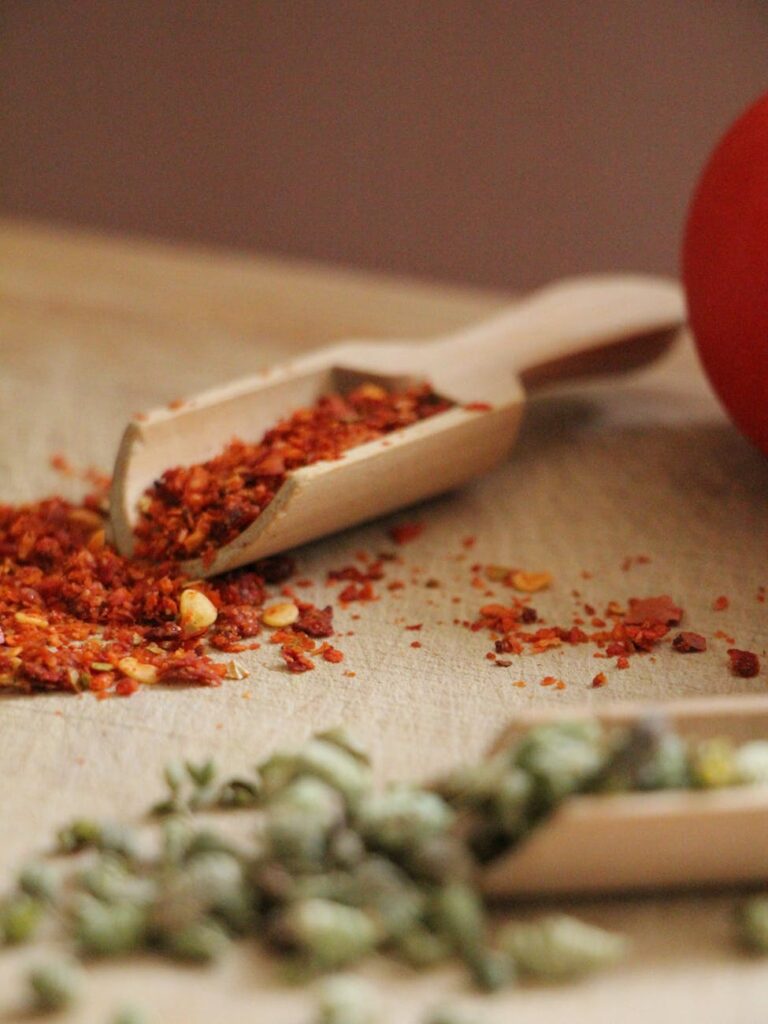
4. Packaging: Once dried, dulse is typically packaged in airtight containers to maintain freshness. It is available in various forms, including whole fronds, flakes, and powders.
Quality and Grading
The quality of dulse can vary significantly based on several factors, including harvesting location, processing methods, and storage conditions. When evaluating dulse, consider the following criteria:
- Color: High-quality dulse should exhibit a vibrant red or purple hue. Faded or dull colors may indicate poor quality or improper drying.
- Texture: Fresh dulse should feel pliable yet firm. Overly brittle or excessively soft textures may reflect subpar quality.
- Aroma: Quality dulse has a distinct marine scent, reminiscent of the ocean. A strong fishy odor may indicate spoilage.
- Taste: Fresh dulse offers a mildly salty, umami flavor, with hints of sweetness. Off-flavors can be a sign of degradation or contamination.
- Source: Opt for dulse sourced from reputable suppliers who prioritize sustainable harvesting practices. This ensures not only quality but also environmental responsibility.
- Form: Dulse is available in various forms—whole fronds, flakes, and powders. Choose the form that best suits your intended use.
- Organic Certification: If possible, select organic dulse to avoid exposure to harmful pesticides or contaminants.
- Packaging: Look for products that are packaged in airtight containers to preserve freshness and prevent moisture absorption.
- Expiration Date: Always check the expiration date to ensure you are buying a product that will maintain its quality over time.
- Cool, Dry Place: Store dulse in a cool, dry location away from direct sunlight. Moisture can lead to spoilage
Grading systems for dulse are not universally standardized, but reputable suppliers often adhere to quality benchmarks that ensure product integrity.
Buying Considerations
When purchasing dulse, consider the following factors to ensure you are acquiring a high-quality product:
Uses and Applications
Dulse is an incredibly versatile ingredient, with applications spanning culinary, nutritional, and even cosmetic realms. Here are some popular uses:
1. Culinary Uses: Dulse can be incorporated into soups, salads, and stews. Its unique flavor enhances dishes like seafood chowders and vegetable stir-fries. Dried dulse flakes can serve as a seasoning for meats, vegetables, and even popcorn.
2. Nutritional Supplement: Due to its rich nutritional profile, which includes vitamins A, C, E, and K, as well as minerals such as iron and calcium, dulse is often marketed as a health supplement. It is sometimes added to smoothies and health bars for an extra nutrient boost.
3. Garnish: The vibrant color and distinct texture of dulse make it an attractive garnish for various dishes, including sushi and seafood platters.
4. Cosmetic Applications: Dulse’s high mineral content has led to its inclusion in skincare products, where it is used for its moisturizing and anti-aging properties.
Storage and Shelf Life
Proper storage is essential to maintain the quality of dulse. Here are some guidelines: