
Dulse Around the World
Introduction
Dulse (Palmaria palmata) is a red alga that has garnered attention as a superfood and versatile ingredient in global cuisine. Known for its distinctive umami flavor, dulse is not only valued for its taste but also for its nutritional benefits and ecological significance. This article delves into the various regions where dulse is harvested, exploring its history, production methods, quality assessments, and culinary uses.
What Is Dulse?
Dulse is a type of seaweed that grows along the coasts of the North Atlantic and North Pacific Oceans. It typically presents as a reddish-purple, leafy plant, often found clinging to rocks in intertidal zones. Rich in vitamins and minerals, dulse is particularly high in iodine, potassium, and iron, making it an attractive ingredient for health-conscious consumers.
History and Origins
The history of dulse dates back centuries, particularly in regions where it is naturally abundant. Indigenous peoples of the North Atlantic, including the Irish and the Indigenous communities of North America, have used dulse for culinary and medicinal purposes for generations. In Ireland, dulse was traditionally harvested along the coastline and consumed as a snack or incorporated into various dishes.
The first recorded use of dulse can be traced to the early 17th century, wherein it was mentioned in literature as a food source. Its popularity surged during periods of food scarcity, particularly in coastal communities where other food sources were limited. Today, dulse is gaining renewed interest as part of the global superfood trend, further expanding its reach beyond traditional uses.
Production and Processing
Dulse is primarily harvested in colder waters, with significant production occurring in regions such as Ireland, Canada, Norway, and Iceland. The harvesting process involves carefully hand-picking the algae from rocky substrates, ensuring sustainable practices that allow for continued growth and reproduction.
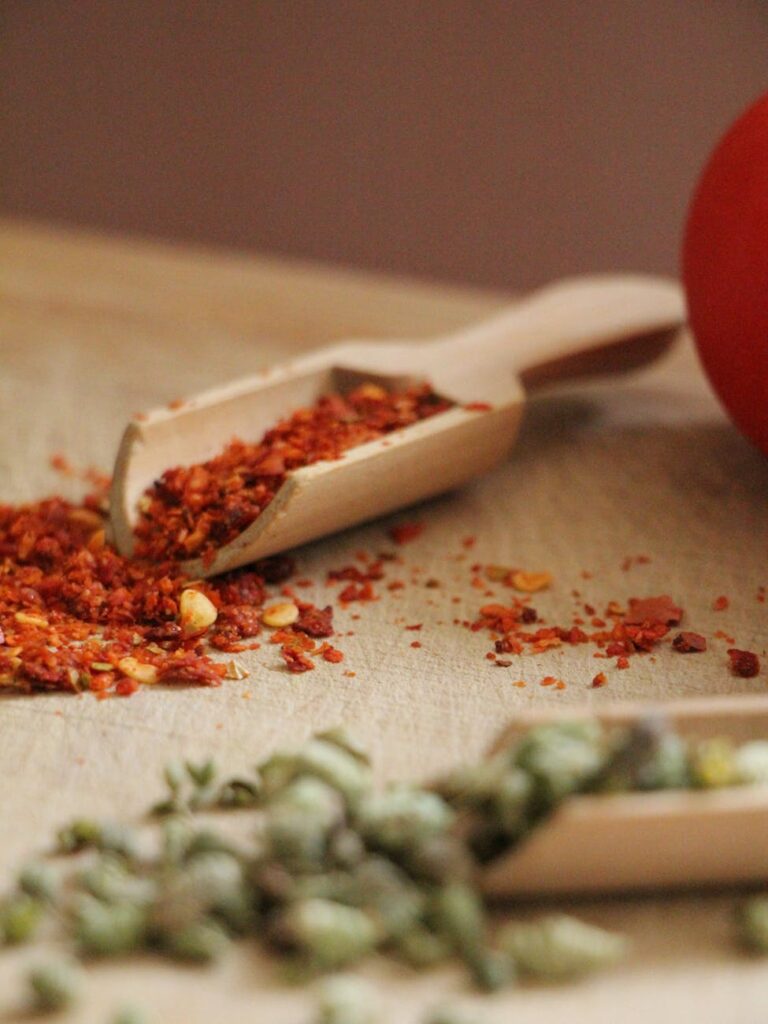
After harvesting, dulse undergoes various processing methods. It can be sun-dried, air-dried, or dehydrated using specialized equipment. This processing not only enhances its shelf life but also intensifies its flavor. In some regions, dulse is ground into a powder or flakes, making it easier to incorporate into a variety of dishes.
Quality and Grading
The quality of dulse can vary significantly based on factors such as harvesting methods, processing techniques, and regional characteristics. High-quality dulse should exhibit a vibrant color, a robust flavor, and a fresh aroma. Grading systems typically consider aspects such as moisture content, color uniformity, and the presence of contaminants.
In commercial markets, dulse is often graded into categories such as culinary-grade, snack-grade, and premium-grade. Culinary-grade dulse is ideal for cooking, while premium-grade dulse, often harvested during specific seasons, is sought after for its enhanced flavor and nutritional profile. Buyers should be aware of these classifications to ensure they select the best quality for their intended use.
Buying Considerations
When purchasing dulse, several factors should be considered to ensure a high-quality product. Here are key points to keep in mind:
- Source: Look for dulse that is sustainably harvested from reputable sources. Certifications such as organic or sustainable fishery certifications can provide additional assurance.
- Form: Dulse is available in various forms, including whole leaves, flakes, and powder. Choose the form that best suits your culinary needs.
- Packaging: Opt for products that are well-packaged to prevent moisture absorption, which can lead to spoilage.
- Freshness: Check for harvest dates or best-by dates to ensure you are purchasing fresh dulse. Freshness significantly impacts flavor and nutritional content.
- Labeling: Pay attention to ingredient lists, avoiding products with additives or preservatives when possible.
- Seasoning: Dulse can be used as a seasoning to add depth of flavor to soups, stews, and sauces. Its natural umami notes make it a great alternative to salt.
- Snacking: Dried dulse can be enjoyed as a healthy snack on its own or as part of a mixed nut and seed blend.
- Salads and Garnishes: Fresh or rehydrated dulse can be added to salads for a unique texture and flavor. Its vibrant color also makes it an attractive garnish.
- Smoothies and Powders: Dulse powder can be blended into smoothies or dusted onto dishes for an added nutritional boost without compromising flavor.
- Baking: Some chefs incorporate dulse into baked goods, such as bread or crackers, leveraging its flavor and nutritional benefits.
- Dulse is Only a Seasoning: While dulse is often used as a seasoning, it can also be a primary ingredient in various dishes. Its nutritional benefits make it a valuable addition to meals.
- All Seaweeds Are the Same: Dulse is distinct from other types of seaweed, such as nori or kombu. Each type has its unique flavor profile, texture, and culinary applications.
- Dulse Contains High Levels of Iodine: While dulse does contain iodine, the
Uses and Applications
Dulse’s versatility makes it a valuable ingredient in a variety of culinary applications. Here are some common uses:
Storage and Shelf Life
Proper storage is crucial for maintaining dulse’s quality. Dried dulse should be kept in a cool, dark place, preferably in an airtight container to prevent moisture exposure. When stored correctly, dulse can maintain its quality for up to two years.
Once dulse is rehydrated or used in cooking, it should be consumed promptly. If stored in the refrigerator, rehydrated dulse can last for a few days, but it is best used fresh to ensure optimal flavor and texture.
Common Misconceptions
Despite its growing popularity, there are several misconceptions about dulse that can lead to misunderstandings: