
Dulse Cultivation Explained
Introduction
Dulse (Palmaria palmata) is a red algae that thrives along the coasts of the North Atlantic, notably in regions such as Ireland, Canada, and Iceland. This nutrient-rich seaweed has garnered attention not only for its culinary applications but also for its potential health benefits. However, the cultivation of dulse remains a complex process, encompassing various factors from environmental conditions to harvesting techniques. This article aims to provide a comprehensive understanding of dulse cultivation, exploring its history, production methods, quality assessment, and more.
What Is Growing?
In the context of dulse cultivation, “growing” refers not only to the biological processes involved in the development of the algae but also to the methods employed for its successful farming. Dulse is typically grown in marine environments, where it can attach itself to rocks or other substrates. It thrives in cold, nutrient-rich waters, making specific coastal areas ideal for cultivation.
The growth process involves several stages, including spore germination, juvenile growth, and maturation. Each stage has unique environmental requirements, which can significantly affect yield and quality. Understanding these growth dynamics is crucial for anyone interested in cultivating dulse.
History and Origins
Dulse has been harvested for centuries, particularly in coastal communities of the North Atlantic. Historical records indicate that it was consumed by the Celts, who regarded it as a valuable food source. Traditionally, dulse was collected by hand from tidal pools and rocks and was often dried for preservation. The practice of harvesting dulse dates back to at least the 12th century, with references found in ancient texts and folklore.
As global interest in sea vegetables has surged over the past few decades, dulse has gained recognition far beyond its traditional regions. Today, it is cultivated not only for local consumption but also for export, reflecting its growing popularity in various culinary contexts.
Production and Processing
Environmental Conditions
Dulse cultivation is highly dependent on specific environmental conditions. Ideal temperatures for growth range from 10°C to 15°C, and it requires exposure to sunlight for photosynthesis. Nutrient-rich waters, typically found in areas with strong currents, provide the essential minerals for optimal growth.
Cultivation Techniques
The cultivation of dulse can be achieved through wild harvesting or aquaculture. Wild harvesting involves collecting dulse from natural habitats, while aquaculture refers to the controlled farming of the algae in designated areas.
1. Aquaculture: This method has gained traction due to its sustainability. Cultivating dulse in controlled environments allows for more predictable growth cycles and minimizes the impact on wild populations. Techniques may include the use of ropes or nets suspended in the water column, facilitating optimal light and nutrient access.
2. Wild Harvesting: While traditional, wild harvesting can lead to overexploitation if not managed carefully. Regulations and monitoring are essential to ensure that wild populations remain sustainable.
Processing
Once harvested, dulse undergoes processing to prepare it for consumption or sale. This includes washing, drying, and packaging.
- Washing: Freshly harvested dulse is thoroughly washed to remove sand, salt, and any impurities.
- Drying: The algae can be air-dried or dehydrated using low temperatures to preserve its nutritional properties and flavor. Proper drying is crucial for extending shelf life.
- Packaging: Once dried, dulse is often packaged in vacuum-sealed bags or containers to maintain freshness and prevent moisture absorption.
- Salads: Dulse can be rehydrated and added to salads, contributing a unique texture and flavor.
- Soups and Stews: It can be incorporated into broths and stews for added depth and nutrition.
- Snacks: Roasted or seasoned dulse can serve as a nutritious snack alternative.
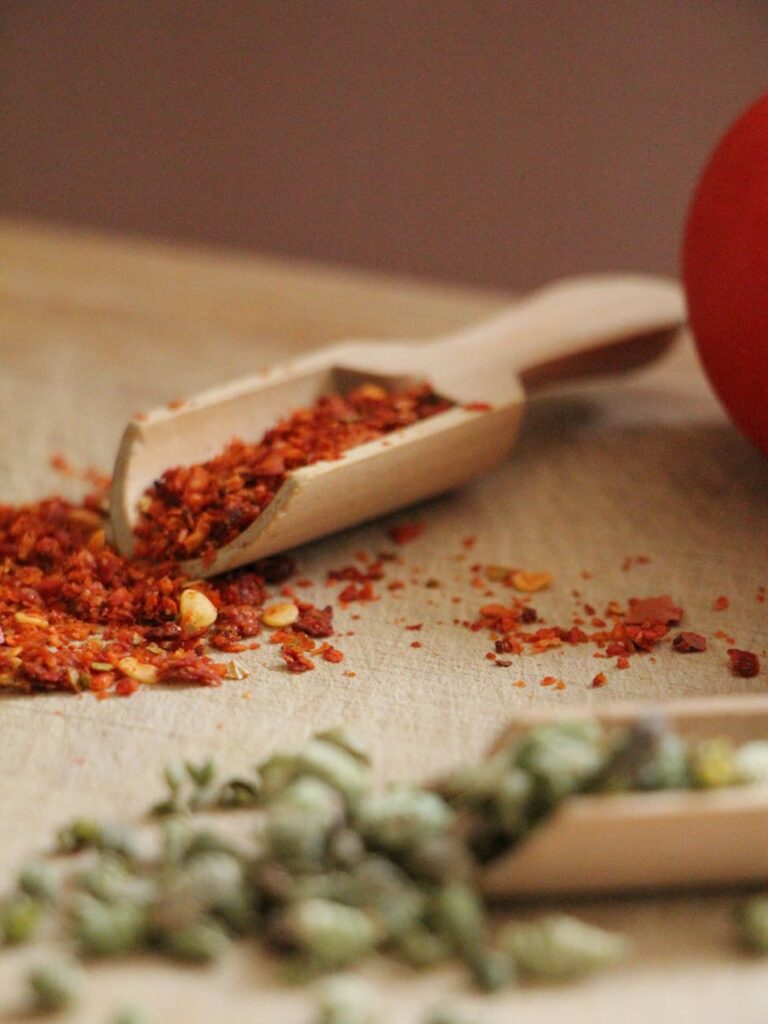
- Seasoning: Dulse flakes can be sprinkled onto dishes as a seasoning, providing a natural source of umami.
Quality and Grading
The quality of dulse is determined by several factors, including color, texture, and aroma. High-quality dulse typically exhibits a vibrant reddish-purple hue, indicating freshness and nutrient density.
Grading Criteria
1. Color: A bright color signifies healthy growth conditions and indicates that the dulse has been properly processed.
2. Texture: Quality dulse should feel firm and not overly brittle. A chewy texture is often preferred in culinary applications.
3. Aroma: Fresh dulse emits a pleasant sea-like aroma, while any off-odors may indicate spoilage or improper storage.
Grading systems can vary by region, but these criteria are generally accepted industry-wide. Consumers should look for these indicators to ensure they are purchasing high-quality dulse.
Buying Considerations
When purchasing dulse, several factors should be taken into account:
1. Source: It is advisable to purchase dulse from reputable suppliers who adhere to sustainable harvesting practices. This ensures that the product is not only of high quality but also environmentally responsible.
2. Form: Dulse is available in various forms, including dried flakes, powder, and whole leaves. The choice of form often depends on intended use.
3. Labeling: Check for certifications or labels indicating organic or sustainable practices. This can provide additional assurance regarding the quality and sourcing of the product.
4. Packaging: Ensure that the packaging is intact and that the product has been stored properly. Look for vacuum-sealed options to maximize freshness.
Uses and Applications
Dulse is a versatile ingredient that can be used in a variety of culinary applications. Its unique flavor profile, which combines a mild umami taste with a slightly salty note, makes it an attractive addition to numerous dishes.
Culinary Uses
Beyond culinary uses, dulse is also employed in various industries, including cosmetics and natural fertilizers, due to its nutrient-rich profile.