
Dulse FAQs Answered
Introduction
Dulse (Palmaria palmata) is a red seaweed that has garnered attention as a nutritious and versatile ingredient in culinary practices across the globe. With its unique flavor profile and numerous health benefits, dulse has transcended its traditional uses to become a popular choice among chefs and health enthusiasts alike. This article aims to provide comprehensive answers to frequently asked questions about dulse, covering its history, production, quality, applications, and more.
What Is Dulse?
Dulse is a type of edible red algae, primarily found along the coasts of the North Atlantic and North Pacific Oceans. Characterized by its reddish-purple color, dulse has a slightly chewy texture and a savory, umami flavor. It is often consumed in various forms, including dried, powdered, or as a snack. Rich in vitamins, minerals, and antioxidants, dulse is an excellent addition to many diets, particularly for those seeking plant-based sources of nutrients.
History and Origins
The use of dulse dates back centuries, especially in regions where it naturally grows. Indigenous communities in North America and coastal populations in Europe have long incorporated dulse into their diets. The Irish have a long-standing tradition of harvesting and consuming dulse, often using it as a flavoring agent or as a source of sustenance during lean times. In addition to its culinary uses, dulse has also been employed in traditional medicine, showcasing its historical significance and versatility.
Production and Processing
Dulse is primarily harvested from rocky shorelines where it thrives in tidal pools. The collection process can be done manually or through more modern methods, depending on the scale of production. After harvesting, the seaweed undergoes a meticulous cleaning process to remove any sand, salt, or debris. It is then typically air-dried or sun-dried to preserve its nutritional content and flavor.
The drying process is essential, as it concentrates the flavors and makes dulse shelf-stable. In some cases, dulse may be processed further into flakes or powders, enhancing its usability in various culinary applications. The sustainability of dulse harvesting is a growing concern, and responsible practices are critical to ensure the long-term viability of this seaweed.
Quality and Grading
The quality of dulse can vary significantly based on several factors, including the harvesting method, drying process, and storage conditions. High-quality dulse typically has a vibrant color, a fresh aroma, and a consistent texture.
Grading may be based on several criteria, including:
- Color: Higher-grade dulse exhibits a deep reddish-purple hue, which indicates freshness and nutrient density.
- Texture: Quality dulse should be pliable yet firm, with a slight chewiness that is characteristic of properly dried seaweed.
- Flavor Profile: Good-quality dulse should have a balanced umami flavor without any off-putting or overly salty tastes.
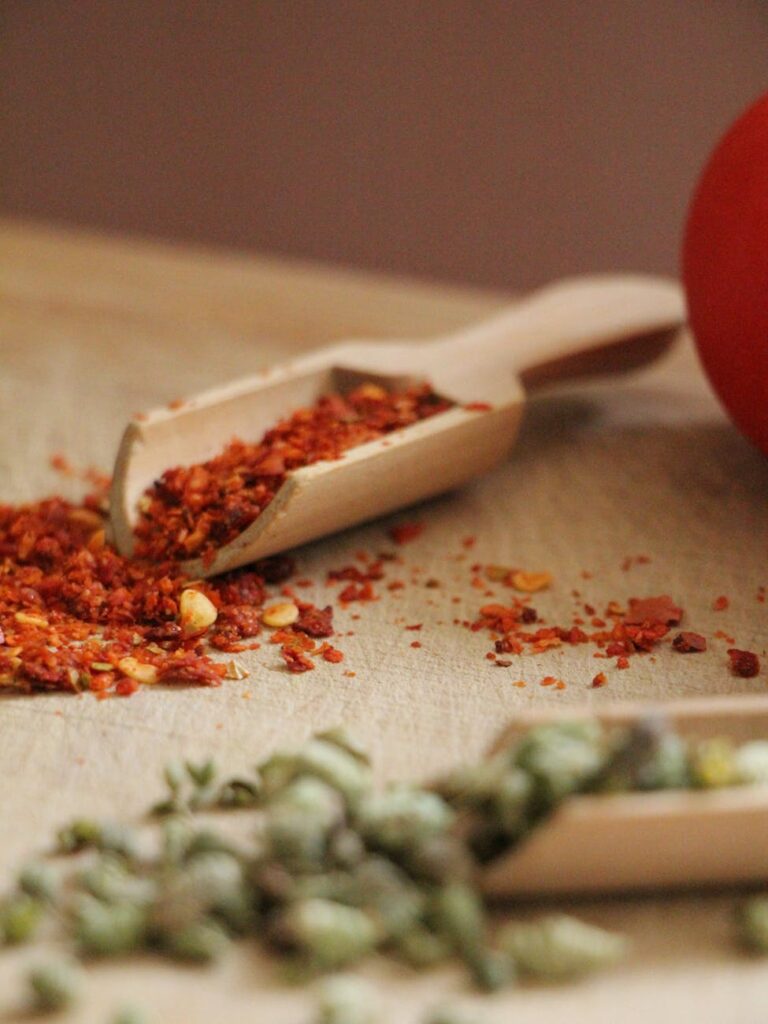
- Seasoning: Dulse flakes can be used as a seasoning for soups, salads, and grain dishes, adding a unique umami flavor.
- Snacking: Roasted dulse can be enjoyed as a healthy snack, offering a satisfying crunch and rich flavor.
- Garnishing: Whole dulse leaves can be used as a garnish for seafood dishes or incorporated into sushi.
- Smoothies: Dulse powder can be blended into smoothies for a nutrient boost without altering the flavor significantly.
- Baking: Some innovative bakers incorporate dulse powder into bread and other baked goods for added flavor and nutrients.
- Cool, Dry Place: Store dulse in a cool, dry environment away from direct sunlight to prevent moisture absorption.
- Airtight Containers: Use airtight containers to protect dulse from humidity and preserve its flavor.
- Shelf Life: When stored correctly, dried dulse can last for up to two years, although it is best consumed within the first year for optimal flavor.
- Myth: Dulse is Only for Vegans and Vegetarians: While dulse is a popular ingredient in plant-based diets, it can be enjoyed by anyone looking to enhance their meals with umami flavors.
- Myth: All Seaweeds Are the Same: Different types of seaweeds have distinct flavors, textures, and nutritional profiles. Dulse, in
When purchasing dulse, it’s advisable to look for brands that provide information about their sourcing and processing methods to ensure the highest quality.
Buying Considerations
When seeking to buy dulse, several factors should be taken into account to ensure you are purchasing a high-quality product:
1. Form: Dulse is available in various forms, including whole leaves, flakes, and powders. Choose the form that best suits your intended use.
2. Source: Check the product label for information about where the dulse is harvested. Sustainable sourcing practices are crucial for environmental protection.
3. Processing: Opt for dulse that has been minimally processed. Products without added preservatives or artificial ingredients are preferable.
4. Packaging: Look for products in resealable bags or airtight containers to maintain freshness and prevent moisture absorption.
5. Certifications: If possible, choose dulse that is certified organic or sustainably harvested, as this often indicates a higher quality.
Uses and Applications
Dulse is a versatile ingredient that can be used in a variety of culinary applications. Here are some common uses:
The adaptability of dulse in various culinary contexts makes it a valuable ingredient for both home cooks and professional chefs.
Storage and Shelf Life
Proper storage of dulse is essential to maintain its quality and flavor. Here are some guidelines:
If you notice any signs of moisture, off-odor, or a significant change in color, it is advisable to discard the product.
Common Misconceptions
Despite its growing popularity, several misconceptions about dulse persist: