
Dulse Growing Guide Part 6
Introduction
Dulse, scientifically known as Palmaria palmata, is a red seaweed that has garnered significant attention in recent years for its culinary and nutritional properties. With its unique flavor profile and versatile applications, dulse is becoming increasingly popular among chefs and health-conscious consumers alike. This guide aims to provide a comprehensive overview of dulse cultivation, covering everything from its historical roots to its modern-day uses and storage methods.
What Is Growing?
Growing, in the context of dulse, refers to the cultivation practices that enable this marine plant to thrive in its natural habitat or controlled environments. Dulse typically grows on rocky substrates in intertidal zones along the North Atlantic coasts, particularly in regions like Ireland, Scotland, and Canada. Understanding the nuances of dulse growth is crucial for successful harvesting and ensuring high-quality yields.
Environmental Conditions
Dulse requires specific environmental conditions to grow optimally. It thrives in cool, nutrient-rich waters, often found in regions with strong tidal flows. The ideal water temperature for dulse growth ranges from 5°C to 15°C (41°F to 59°F). Furthermore, dulse is photosynthetic, meaning it relies on sunlight for energy. Therefore, it is commonly found in shallow waters where light penetration is sufficient.
Propagation Methods
Dulse can be propagated through several methods, including spore dispersal and vegetative reproduction. The spores, released during the reproductive cycle, settle on suitable substrates, where they develop into new plants. Alternatively, fragments of mature dulse can also grow into new plants, making vegetative propagation an effective method for cultivation in controlled environments.
History and Origins
The history of dulse dates back centuries, particularly in coastal communities where it has been a staple food source. Indigenous peoples of the North Atlantic regions have traditionally harvested dulse not only for its nutritional value but also for its flavor.
Dulse has been consumed in various forms, from dried sheets to infused broths, and has been integrated into local diets for generations. Its use was often tied to seasonal harvesting cycles, which coincided with the availability of other marine resources.
Production and Processing
Harvesting Techniques
The harvesting of dulse can be conducted either manually or through mechanized methods. Manual harvesting is often preferred for high-quality dulse, as it allows for careful selection and reduces the risk of damaging the surrounding ecosystem. Harvesters typically use knives or rakes to collect the seaweed, ensuring that only mature specimens are removed.
Processing Steps
Once harvested, dulse undergoes a series of processing steps to prepare it for market. These include washing to remove sand and debris, followed by drying to preserve its flavor and nutritional content. Traditional methods involve air drying in the sun, while modern techniques may utilize dehydrators for quicker processing. The drying process is crucial, as it enhances the flavor and extends the shelf life of the dulse.
Sustainability Considerations
Sustainable harvesting practices are vital for the long-term viability of dulse populations. Overharvesting can lead to population declines and disrupt local ecosystems. Organizations and regulatory bodies often impose guidelines to ensure that harvesting is conducted within sustainable limits.
Quality and Grading
Factors Affecting Quality
The quality of dulse is influenced by several factors, including the water quality, harvesting methods, and post-harvest processing. Dulse harvested from clean, nutrient-rich waters tends to have superior flavor and nutritional profiles. Additionally, the timing of the harvest—ideally during the spring and fall—can affect the seaweed’s quality.
Grading Standards
Grading of dulse generally takes into account color, texture, and moisture content. High-quality dulse is vibrant red or purple, with a firm texture and minimal debris. Grading systems can vary by region, but the emphasis is typically on ensuring that only the best quality dulse reaches consumers.
Buying Considerations
When purchasing dulse, it is essential to consider several factors to ensure quality and sustainability.
Source Verification
Consumers should seek out dulse from reputable suppliers who adhere to sustainable harvesting practices. Look for certifications or information regarding the source of the dulse to ensure it is harvested responsibly.
Form and Packaging
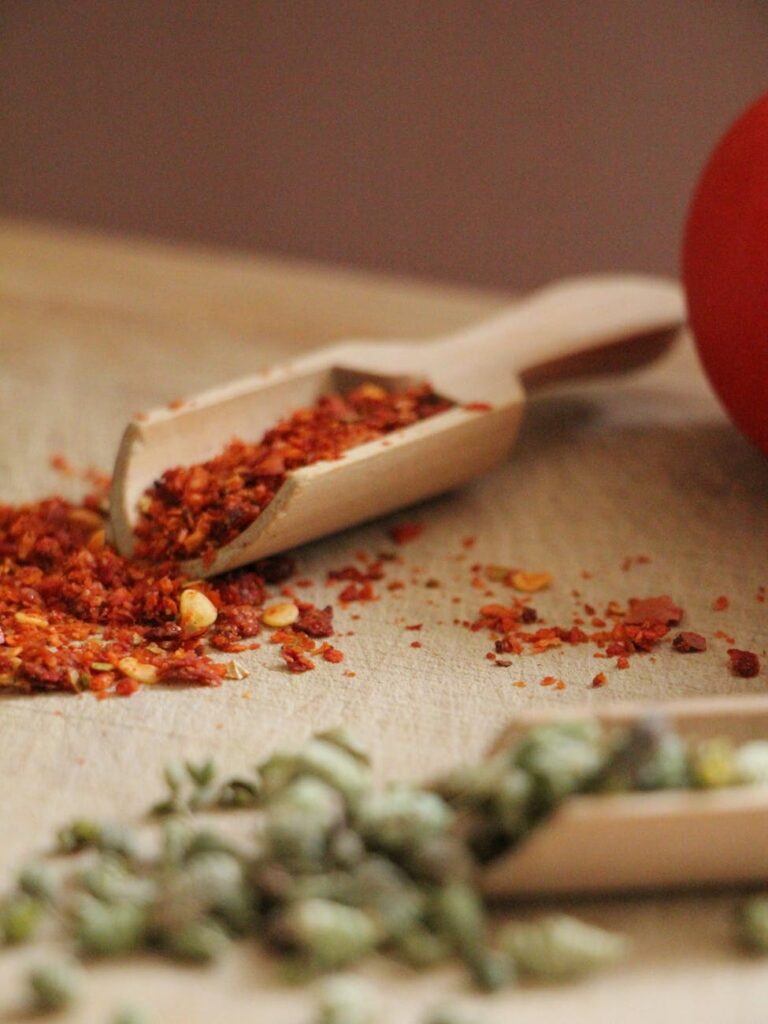
Dulse is available in various forms, including dried flakes, sheets, and powders. The choice of form may depend on intended use; for instance, flakes are often preferred for seasoning, while sheets are popular for snacks. Pay attention to packaging, as opaque or resealable containers can help preserve freshness.
Price and Quality Correlation
While price can be an indicator of quality, it is essential to evaluate other factors such as sourcing, processing methods, and freshness. Higher-priced dulse may reflect better quality and sustainability practices, but consumers should also conduct a thorough evaluation before making a purchase.
Uses and Applications
Dulse has diverse culinary applications, making it a versatile ingredient in various dishes.
Culinary Uses
Dulse can be incorporated into soups, salads, and snacks, or used as a flavor enhancer for meats and vegetables. Its unique umami flavor makes it an excellent addition to broths and sauces. Additionally, dulse can be used as a seasoning for popcorn or other snacks, providing a nutritious alternative to traditional toppings.
Non-Culinary Applications
Beyond its culinary uses, dulse is gaining traction in the food industry as a natural thickening agent and flavor enhancer in processed foods. Its rich nutrient profile also makes it an attractive ingredient for health supplements and functional foods.
Storage and Shelf Life
Best Practices for Storage
To maintain the quality of dulse, it should be stored in a cool, dry place away from direct sunlight. Resealable bags or airtight containers are ideal for preserving its freshness.
Shelf Life Expectations
When stored properly, dried dulse can last for up to 12 months. However, exposure to moisture or air can reduce its