
Dulse Guides Guide Part 6
Introduction
Dulse, a type of red seaweed known scientifically as Palmaria palmata, has gained significant attention in culinary and health circles worldwide. This guide is the sixth installment in our comprehensive series on dulse, focusing on the myriad aspects of its usage, production, and cultural significance. Our objective is to provide a thorough understanding of this unique ingredient, enhancing knowledge for culinary professionals, food enthusiasts, and anyone interested in the diverse world of food ingredients.
What Is Dulse?
Dulse is a nutrient-rich seaweed that thrives in the cold waters of the North Atlantic and North Pacific Oceans. It is characterized by its reddish-purple hue and has a slightly chewy texture, often described as having a mild, savory flavor reminiscent of the ocean. Dulse can be consumed in various forms—dried, powdered, or fresh—and is used as a seasoning, snack, or ingredient in numerous dishes. It is particularly valued for its rich nutrient profile, which includes essential vitamins, minerals, and antioxidants.
History and Origins
The history of dulse is deeply intertwined with the coastal cultures of the North Atlantic. Indigenous peoples such as the Irish and the Scots have harvested dulse for centuries, incorporating it into their diets as a source of sustenance. Traditionally, dulse was often gathered by hand during low tide, dried in the sun, and consumed as a snack or seasoning.
In Ireland, dulse was historically known as “samon” and was a staple in the diet of coastal communities. The seaweed’s versatility allowed it to be used in various traditional dishes, contributing to its cultural significance. Over the years, dulse has transitioned from a local delicacy to a globally recognized ingredient, reflecting the growing interest in sea vegetables in contemporary cuisine.
Production and Processing
Harvesting
Dulse is typically harvested from wild seaweed beds located in rocky coastal regions. The best time for harvesting is during the spring and summer months when the seaweed is at its peak growth. Fishermen and seaweed gatherers use sustainable practices to ensure minimal environmental impact, often hand-harvesting the dulse to preserve the ecosystem.
Processing
Once harvested, dulse must be processed to enhance its shelf life and flavor. The initial step often involves rinsing the seaweed to remove any sand or debris. It is then dried, commonly using methods such as air drying or dehydrating, to eliminate moisture and concentrate flavors. The drying process is critical, as it not only preserves the seaweed but also enhances its umami flavor profile.
After drying, dulse can be left in whole leaf form or ground into a powder, depending on its intended use. Proper processing techniques are essential to maintain the ingredient’s nutritional value and flavor integrity.
Quality and Grading
The quality of dulse can vary based on several factors, including the harvesting location, processing methods, and freshness. High-quality dulse is typically vibrant in color, with a rich, oceanic aroma and no signs of discoloration or off-putting smells.
Grading systems for dulse may differ by region, but they generally consider criteria such as:
- Color: Bright, deep shades of red or purple indicate freshness.
- Texture: A pliable, chewy texture is desirable; overly brittle or dry dulse may indicate poor quality.
- Flavor: A balanced umami flavor should be present, free from bitterness or excessive saltiness.
- Source: Opt for dulse from sustainable sources, ideally those that engage in responsible harvesting practices.
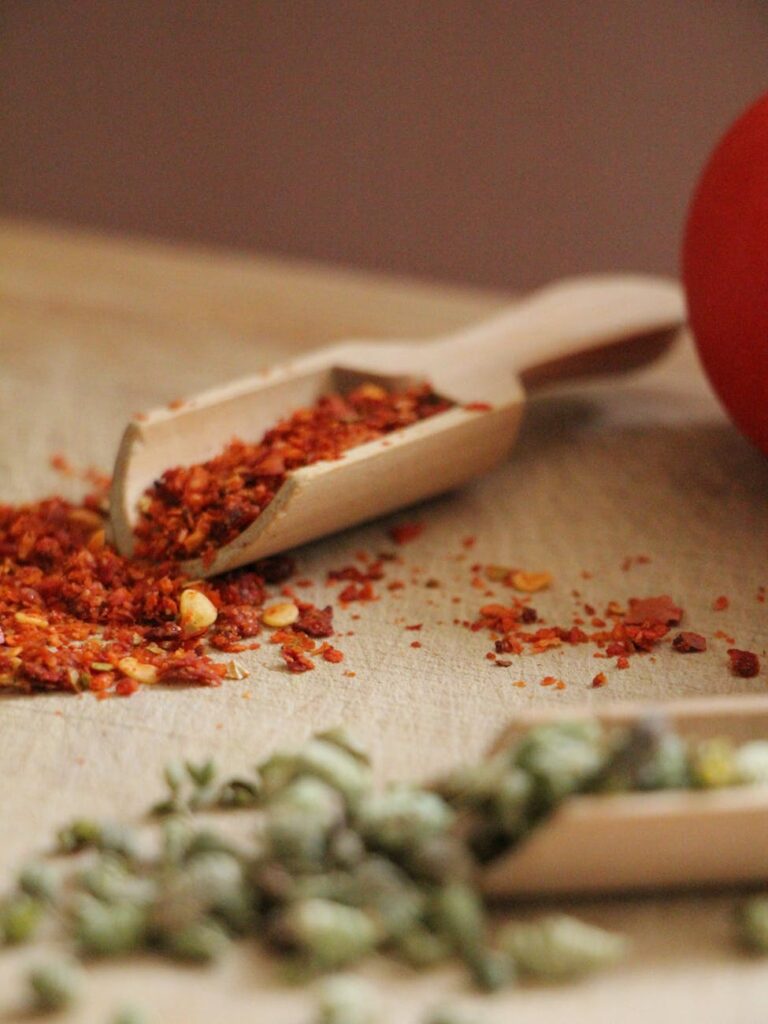
- Form: Dulse is available in various forms, including whole leaves, flakes, and powdered. The choice depends on your intended use—whole leaves are excellent for snacks, while powdered dulse is suited for seasoning.
- Packaging: Ensure that the packaging is airtight and opaque to preserve freshness, as exposure to light and air can degrade the quality of the seaweed.
- Certifications: Look for certifications such as organic or wildcrafted, which can indicate higher quality and sustainability standards.
- Seasoning: Dulse flakes can be used as a seasoning for salads, soups, and stews, imparting a salty, umami flavor without the need for additional salt.
- Snacking: Dried dulse can be enjoyed as a healthy snack, either on its own or as part of a trail mix.
- Garnishing: Whole dulse leaves make for an attractive garnish on seafood dishes, enhancing both presentation and flavor.
- Baking: Ground dulse can be incorporated into batters for breads and crackers, providing nutritional benefits and depth of flavor.
- Cool, Dry Place: Store dulse in a cool, dry area away from direct sunlight. An airtight container or vacuum-sealed bag is ideal for preserving freshness.
- Refrigeration: While dried dulse does not require refrigeration, placing it in the fridge can extend its shelf life if you live in a humid environment.
- Shelf Life: Dried dulse typically has a shelf life of 1 to 3 years when stored correctly. Always check for signs of moisture or off odors before use.
When purchasing dulse, consumers are encouraged to seek reputable suppliers who provide information about their harvesting and processing practices.
Buying Considerations
When purchasing dulse, consider the following factors:
Uses and Applications
Dulse has a multitude of culinary applications, making it a versatile ingredient in modern kitchens. Its unique flavor profile lends itself well to a variety of dishes, including:
Beyond culinary uses, dulse is also employed in various food products, including snacks, sauces, and seasoning blends, reflecting its growing popularity in the food industry.
Storage and Shelf Life
Proper storage of dulse is crucial to maintaining its quality and extending its shelf life. Here are some key points to consider: