
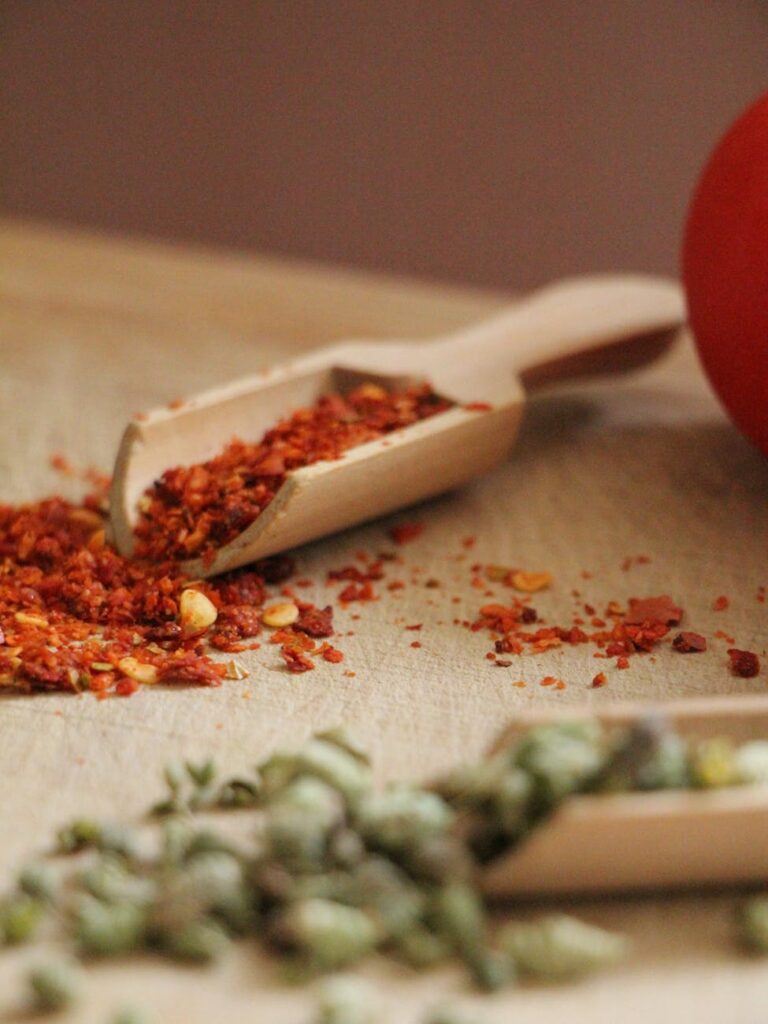
Dulse Guides Guide Part 7
Introduction
Dulse, a reddish-purple seaweed, has garnered attention for its unique flavor and nutritious profile. Often harvested from cold coastal waters, dulse is not only a culinary delight but also a subject of fascination for those keen to explore its myriad applications. In this installment of the Dulse Guides, we will delve into various aspects of this remarkable ingredient, including its history, production methods, quality assessment, and practical uses.
What Is Dulse?
Dulse, scientifically known as Palmaria palmata, is a type of red algae belonging to the family Palmariaceae. It thrives along the rocky coastlines of the North Atlantic and North Pacific oceans. Characterized by its dark reddish-brown color, dulse has a soft, leathery texture and a distinctive umami flavor, which has made it a favorite among chefs and food enthusiasts alike. It can be consumed in various forms: fresh, dried, powdered, or as an ingredient in snacks and seasonings.
History and Origins
The history of dulse is intertwined with human civilization along the coasts of the North Atlantic. Indigenous peoples, particularly in regions such as Ireland and Canada, have historically harvested dulse as a food source. Its use can be traced back to ancient times, with records indicating that it was consumed by the Celts and other early cultures.
In Ireland, dulse is referred to as “dulse” or “sea lettuce” and has been traditionally enjoyed as a snack or added to soups and stews. Similarly, in parts of Canada, particularly in the Maritime provinces, dulse has been a staple for centuries, valued not only for its taste but also for its nutritional benefits. The rise of interest in sustainable and locally sourced ingredients has led to a resurgence in the popularity of dulse in modern culinary practices.
Production and Processing
Dulse is typically harvested by hand from tidal pools and rocky shorelines. The harvesting process is often conducted during low tide, allowing for easier access to this nutrient-rich algae. After collection, dulse is washed to remove sand and debris, then dried either in the sun or using specialized dehydrators.
The drying process is crucial, as it helps to preserve the dulse while concentrating its flavors. Once dried, dulse can be packaged and sold in various forms, including flakes, sheets, or as a powder. Sustainable harvesting practices are essential to ensure the long-term viability of dulse populations, and many producers adhere to guidelines that promote ecological balance.
Quality and Grading
When assessing the quality of dulse, several factors come into play. Color, texture, and aroma are crucial indicators of freshness and quality. High-quality dulse should exhibit a deep reddish-purple hue, a soft yet resilient texture, and a clean, oceanic aroma.
Quality grading often considers the following elements:
1. Appearance: Bright, vibrant color without signs of fading or discoloration.
2. Texture: A soft, pliable feel indicates freshness, while overly brittle or crumbly dulse may suggest age or improper handling.
3. Aroma: A fresh, briny scent is desirable; any off-putting odors may indicate spoilage.
4. Contaminants: Quality dulse should be free from foreign materials, such as sand, shells, or other seaweeds.
Producers often utilize these criteria to classify their products, which can range from high-grade culinary dulse to lower grades intended for industrial uses.
Buying Considerations
When purchasing dulse, there are several factors to keep in mind to ensure you select a high-quality product:
1. Source: Look for dulse that has been sustainably harvested from clean waters. Consider brands that provide information about their sourcing practices.
2. Form: Dulse is available in various forms, including whole leaf, flakes, and powder. Choose the form that best fits your intended use.
3. Packaging: Ensure the packaging is intact and designed to protect the dulse from light and moisture, which can degrade its quality over time.
4. Certification: Look for certifications that indicate adherence to organic or sustainable practices, which can provide reassurance regarding the quality of the product.
Retailers often cater to various markets, so both specialty stores and online platforms may offer a range of dulse products, from gourmet selections to bulk options.
Uses and Applications
Dulse is versatile in the culinary world and can be used in numerous applications:
- Seasoning: Dulse flakes can be sprinkled over salads, soups, or roasted vegetables to add flavor and nutrition.
- Snacking: Dried dulse sheets can be enjoyed as a healthy snack on their own or as part of a charcuterie board.
- Soups and Broths: Used to enhance the umami flavor in broths and soups, dulse provides depth and complexity to various dishes.
- Baking: Dulse powder can be incorporated into bread and crackers, offering a unique flavor and nutritional boost.
- Smoothies: Adding dulse powder to smoothies is a convenient way to introduce marine nutrients into your diet.
- Cool and Dry: Store dulse in a cool, dry place away from direct sunlight. A pantry or cupboard is usually ideal.
- Airtight Containers: Once opened, transfer dulse to an airtight container to prevent moisture absorption and preserve freshness.
- Refrigeration: For fresh dulse, it’s best to refrigerate it in a sealed container to extend its shelf life.
The culinary possibilities of dulse extend far beyond traditional uses, making it a valuable ingredient for innovative chefs and home cooks alike.
Storage and Shelf Life
Proper storage is essential for maintaining the quality of dulse. Here are some guidelines:
Generally, dried dulse can last for up to two years when stored properly,