
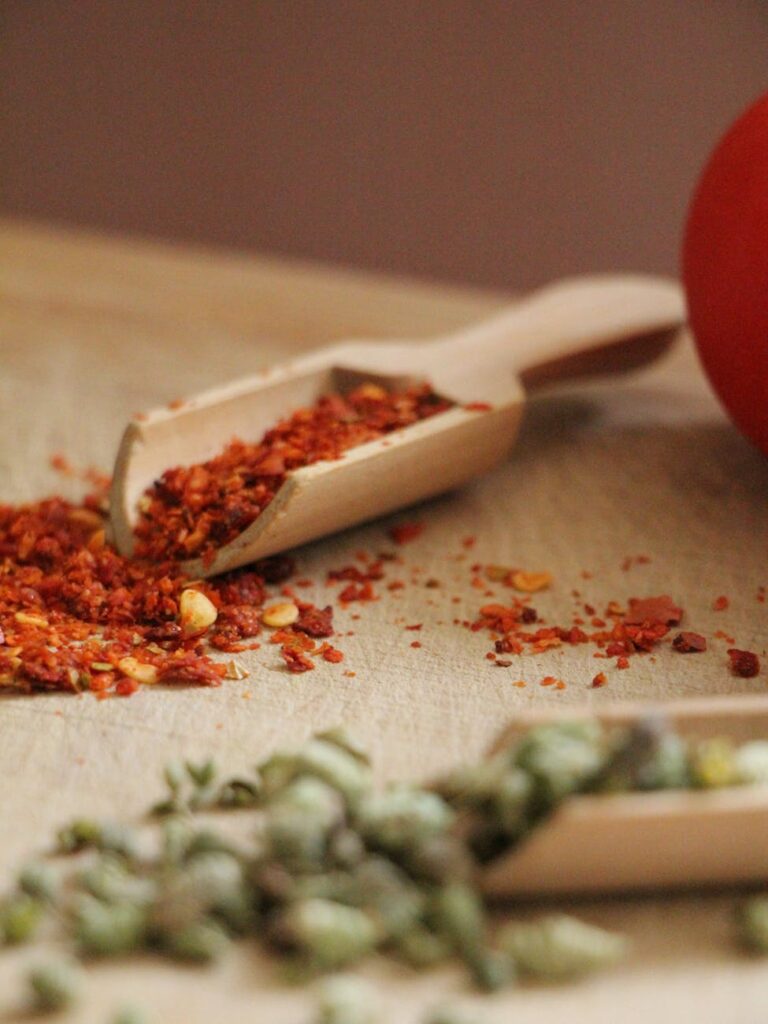
Dulse: Origins and Evolution
Introduction
Dulse, a red alga known scientifically as Palmaria palmata, has garnered attention in culinary circles and nutritional discussions alike. With its vibrant hue and unique umami flavor, dulse has become a staple in coastal cuisines, particularly in regions where it has been harvested for centuries. This article delves into the origins, evolution, and significance of dulse, highlighting its journey from the wild shores to contemporary kitchens worldwide.
What Is Dulse?
Dulse is a type of red seaweed that grows on the rocky coasts of the North Atlantic and North Pacific oceans. Characterized by its flat, broad fronds, dulse can reach lengths of up to 30 centimeters (about 12 inches). Its striking reddish-purple color, particularly when dried, makes it an appealing addition to various dishes. Rich in nutrients, dulse is often recognized for its high protein content, vitamins, and minerals, which contribute to its status as a superfood.
History and Origins
The origins of dulse can be traced back to ancient civilizations, particularly among the indigenous peoples of North America and Europe. Archaeological evidence suggests that dulse was consumed as far back as 2000 years ago, with early records indicating its use by the Celts in Ireland and the Vikings in Scandinavia. The word “dulse” itself is derived from the Old Norse word “duls,” which means “to be sweet.”
In Celtic cultures, dulse was historically harvested along the Atlantic coasts and was often eaten raw, roasted, or used in soups. The tradition of dulse harvesting has persisted through generations, with local communities developing methods to sustainably gather this nutrient-rich seaweed. In Ireland, for instance, dulse was not only a food source but also a means of trade, reflecting its cultural and economic significance.
As globalization increased, dulse began to capture the attention of chefs and health enthusiasts beyond its traditional realms. Its unique flavor profile and myriad health benefits have led to its incorporation in contemporary cuisines, from salads to snacks, and even as a seasoning in various dishes.
Production and Processing
Dulse is primarily harvested from the wild, although aquaculture practices for seaweed farming have been on the rise in recent years. The harvesting process typically involves hand-picking the algae during spring and summer months when it is most abundant. Sustainable harvesting practices are crucial to ensure the longevity of dulse populations and the health of marine ecosystems.
Once harvested, dulse undergoes minimal processing. It is often washed to remove any debris or sand, and then it can be dried or dehydrated to extend its shelf life. The drying process is essential, as it concentrates the flavors and allows for easier storage and transportation.
Dried dulse is commonly found in health food stores and specialty shops, often sold in flakes or sheets. It retains its vibrant color and can be rehydrated in water or used directly in cooking.
Quality and Grading
The quality of dulse can vary significantly based on several factors, including the harvesting location, the time of year it was collected, and the processing methods used. Premium dulse is typically harvested from clean, unpolluted waters, where it can grow naturally without exposure to contaminants.
Grading systems for dulse may include evaluations of color, texture, and flavor. High-quality dulse is characterized by a deep red hue, a soft yet resilient texture, and a fresh, briny aroma. When purchasing dulse, consumers should look for products that are organic, sustainably harvested, and free from additives or preservatives.
Buying Considerations
When purchasing dulse, there are several factors to consider to ensure quality and sustainability:
1. Source: Look for dulse sourced from clean, unpolluted waters. Many brands will specify their harvesting locations and methods.
2. Processing: Opt for minimally processed dulse to retain its natural flavors and nutrients. Dried dulse is often preferred for its extended shelf life.
3. Certifications: Organic certifications can provide assurance that the product is free from harmful chemicals and grown sustainably.
4. Form: Dulse is available in various forms, including flakes, powder, and whole sheets. Consider how you plan to use it when deciding on the form.
5. Packaging: Proper packaging is vital for maintaining freshness. Look for airtight containers or resealable bags.
6. Flavor: Freshness can affect taste. When possible, choose products with a recent harvest date to ensure optimal flavor.
Uses and Applications
Dulse’s versatile nature allows it to be integrated into a wide range of culinary applications. In traditional dishes, dulse is often used as a seasoning or flavor enhancer. Its umami flavor profile pairs well with soups, stews, and seafood dishes.
In contemporary cuisine, dulse can be incorporated into salads, sandwiches, and wraps. It can also be sprinkled over popcorn or roasted vegetables for an added depth of flavor. Dulse is increasingly featured in vegan and vegetarian dishes, where it serves as a natural source of iodine and a savory alternative to traditional salt.
Additionally, dulse is finding its place in the realm of snacks, as health-conscious consumers seek out nutritious alternatives to conventional snack foods. Dulse chips and seaweed snacks are becoming popular choices, appealing to those looking for unique flavors and health benefits.
Storage and Shelf Life
When properly stored, dried dulse can have a long shelf life, often lasting up to two years. To maintain its flavor and nutritional quality, it should be kept in a cool, dry place, away from light and moisture. Airtight containers or vacuum-sealed bags are ideal for preserving dulse’s freshness.
Once opened, it is advisable to consume dulse within a few months for optimal flavor. If rehydrated, any unused portion should be stored in the refrigerator and consumed within a few days.
##