
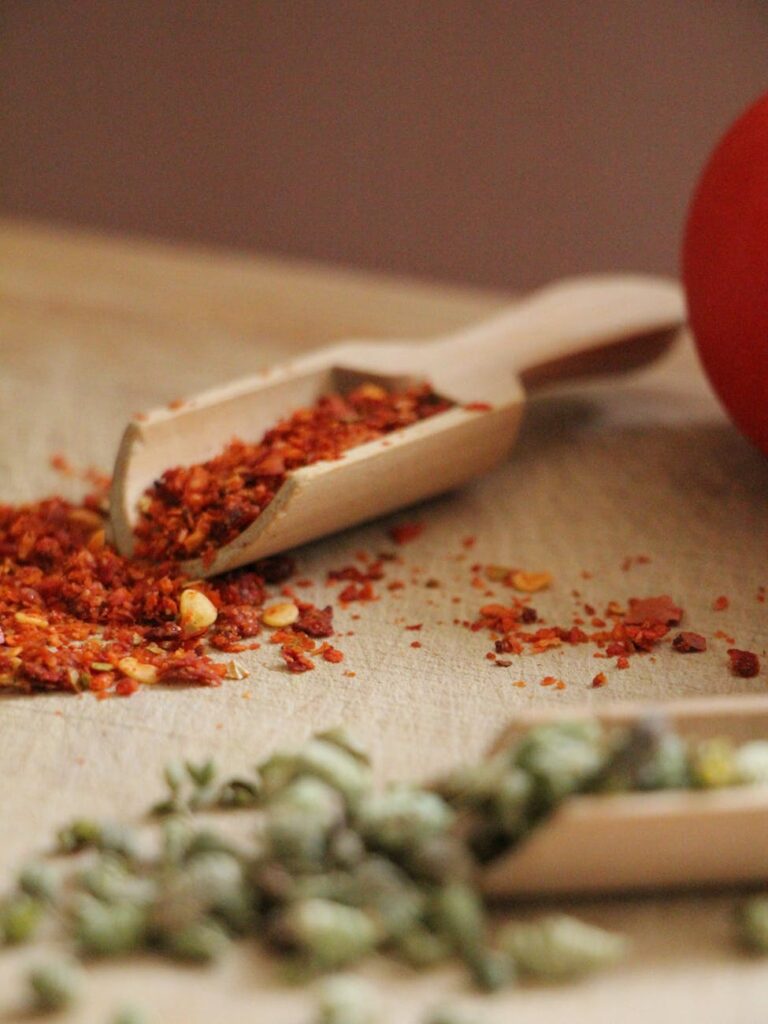
Dulse Production by Country
Introduction
Dulse (Palmaria palmata) is a red seaweed that has been a part of coastal diets for centuries. This unique marine ingredient, known for its umami flavor and rich nutrient profile, has garnered attention on the global culinary stage. While its popularity has grown beyond its traditional regions, understanding its production by country sheds light on the nuances of this remarkable sea vegetable. This article delves into the regions where dulse is cultivated, how it is processed, its quality standards, and its various applications in cooking and beyond.
What Is Dulse?
Dulse is a species of red algae belonging to the family Palmariaceae. It typically grows along the rocky coastlines of the North Atlantic and North Pacific oceans. Its distinctive reddish-purple color, broad fronds, and chewy texture make it a unique addition to various dishes. Dulse can be consumed fresh, dried, or in powdered form, and is often included in salads, soups, and snacks.
History and Origins
Dulse has been harvested for centuries, particularly in coastal communities of Ireland, Scotland, and Canada. Archaeological evidence suggests that it has been a food source for Indigenous peoples in North America for thousands of years. The traditional methods of harvesting dulse included hand-harvesting during low tide, primarily in the spring and summer months when the seaweed is at its most nutritious.
In Ireland, dulse has been historically consumed as a snack or used in traditional dishes, while in Scottish cuisine, it has been integrated into soups and stews. The widespread use of dulse in these regions has fostered a cultural connection that continues to influence modern culinary practices.
Production and Processing
Regions of Production
Dulse is primarily cultivated and harvested in several key regions:
1. Ireland: Known for its high-quality dulse, Ireland has long been a center of production. The cool, clean waters of the Atlantic Ocean provide ideal growing conditions.
2. Scotland: Particularly in the Hebrides and Orkney Islands, dulse is harvested using traditional methods. The region’s tides and nutrient-rich waters contribute to the seaweed’s flavor and nutritional profile.
3. Canada: The Maritime provinces, especially Newfoundland and Nova Scotia, are significant producers of dulse. Indigenous communities in these areas have harvested dulse for generations, and modern commercial enterprises have emerged to meet growing demand.
4. United States: In the northeastern states, particularly Maine, dulse is cultivated both wild and in aquaculture settings. The U.S. market has seen a surge in interest in seaweeds, including dulse.
5. Iceland: Known for its pristine waters, Iceland has begun to develop a market for dulse, focusing on sustainable harvesting and processing practices.
Harvesting Methods
Dulse can be harvested wild or cultivated. Wild harvesting is typically done by hand, ensuring that the ecosystem remains undisturbed. In contrast, cultivated dulse is grown in controlled environments, often using techniques borrowed from aquaculture. This method allows for year-round production and can lead to more consistent quality.
Processing Techniques
After harvesting, dulse requires careful processing to preserve its flavor and nutritional content. The most common methods include:
- Drying: Fresh dulse is typically washed and dried using air or low-heat methods. This process enhances its shelf life and concentrates its flavor.
- Grinding: Dried dulse can be ground into a powder, which is convenient for culinary applications.
- Packaging: Proper packaging is crucial to prevent moisture absorption and maintain quality. Vacuum-sealed pouches or airtight containers are often used.
- Color: A deep, rich color indicates freshness and quality.
- Texture: Dulse should be pliable and not overly brittle.
- Flavor: Premium dulse will have a robust umami flavor, indicative of its nutrient content.
- Salads: Rehydrated dulse can be added to salads for texture and flavor.
- Soups and Stews: Dulse can be incorporated into broths or as a seasoning for various soups and stews, providing depth to the overall flavor profile.
- Snacks: Dried dulse can be enjoyed as a nutritious snack, either on its own or as part of a trail mix.
- Seasoning: Ground dulse is often used as a seasoning for popcorn, chips, or as a seasoning blend for meats and vegetables.
- Baking: Some innovative bakers incorporate dulse into
Quality and Grading
The quality of dulse is determined by several factors, including color, texture, and flavor. High-quality dulse should display a vibrant reddish-purple hue, with a flexible yet slightly firm texture. When evaluating dulse, consider the following grading criteria:
Quality assurance measures are vital throughout the harvesting and processing stages to ensure that the final product meets consumer expectations.
Buying Considerations
When purchasing dulse, consumers should consider several factors to ensure they select the highest quality product:
1. Source: Look for dulse sourced from reputable regions known for sustainable harvesting practices.
2. Form: Dulse is available in several forms—whole fronds, flakes, or powdered. Choose based on intended use.
3. Packaging: Opt for products that are vacuum-sealed or in airtight containers to maintain freshness.
4. Certification: Organic certifications or sustainability labels can provide additional assurance about the product’s quality and sourcing practices.
5. Flavor Profile: Some brands may offer flavored or smoked dulse; consider these options for specific culinary applications.
Uses and Applications
Dulse is a versatile ingredient with a wide range of culinary applications. Its unique umami flavor enhances many dishes, making it a favorite among chefs and home cooks alike. Here are some common uses: