
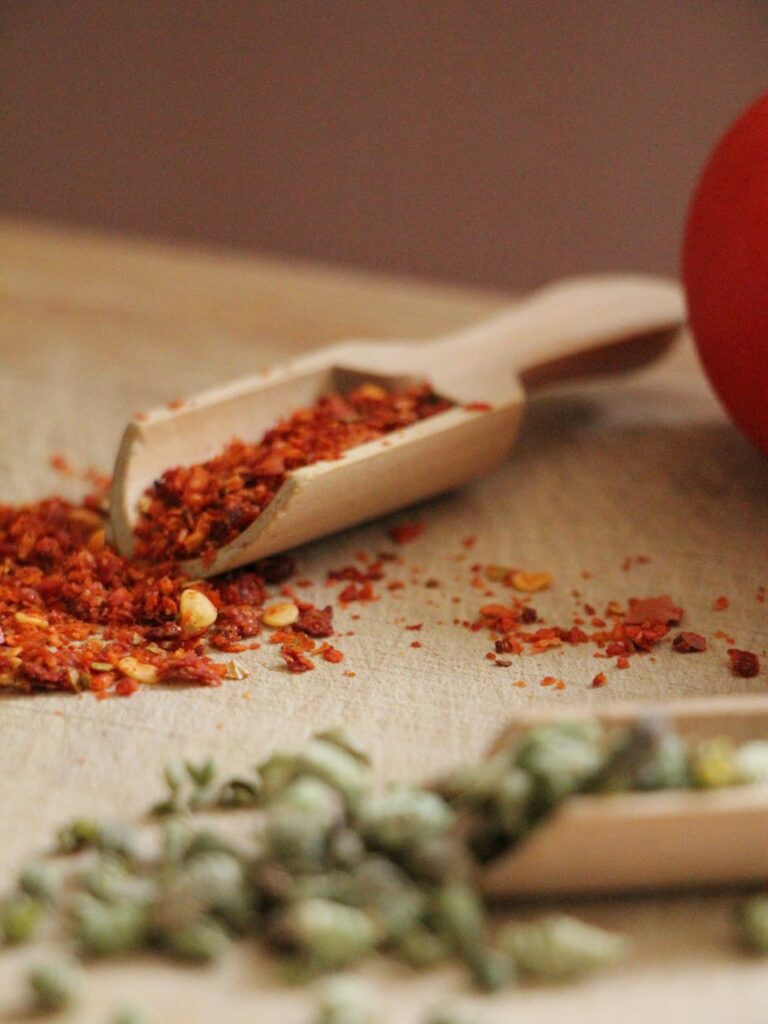
Dulse Regions Guide Part 6
Introduction
Dulse (Palmaria palmata) is a red algae celebrated for its unique flavor and nutritional profile. Commonly found along the rocky coastlines of the North Atlantic, this seaweed has gained popularity not only for its culinary applications but also for its health benefits. In this article, we will delve into the various regions where dulse is harvested, exploring the unique characteristics, historical significance, quality considerations, and uses of this remarkable ingredient.
What Is Regions?
In the context of food ingredients like dulse, “regions” refers to the specific geographical areas where the organism is cultivated or harvested. Each region contributes distinct qualities to the dulse due to variations in environmental conditions such as water temperature, salinity, and nutrient availability. Understanding these regional differences is essential for chefs, food enthusiasts, and consumers who seek to appreciate this sea vegetable’s unique flavor profiles and textures.
History and Origins
Dulse has been a part of human diets for centuries, with its origins tracing back to ancient coastal communities in Europe. Historically, it has been harvested by hand along the shores of Ireland, Scotland, and parts of Canada, where it was consumed both fresh and dried. The practice of consuming dulse dates back to at least the 17th century, as documented in various historical texts.
In the Celtic regions, dulse was often gathered by women and children during low tides and was used as a staple food source. It was particularly valued for its ability to provide essential nutrients during long winters when other food sources were scarce. Fishing communities would often incorporate dulse into their diets for its rich umami flavor and high mineral content, making it an integral part of their culinary traditions.
Production and Processing
Dulse is primarily harvested in specific coastal regions, with notable production centers including:
- Ireland: Known for its high-quality dulse, particularly along the coasts of County Donegal and County Antrim.
- Scotland: The Hebrides and the Orkney Islands are significant producers, where traditional harvesting methods still prevail.
- North America: The northeastern coast, particularly around Newfoundland and Maine, is also renowned for its dulse.
- Color: Premium dulse should exhibit a deep red to purple hue. Faded or brownish colors may indicate age or poor processing.
- Texture: Fresh dulse should be pliable and not overly brittle. Over-dried dulse may lose its desirable texture.
- Flavor: High-quality dulse has a rich umami taste, often described as slightly salty and savory, with hints of the ocean.
- Salads and Bowls: Dulse can be rehydrated and added to salads or grain bowls, imparting a savory flavor and a touch of oceanic essence.
- Soups and Broths: Dulse is often used to enhance the umami profile of soups and broths, particularly in vegetarian or plant-based recipes.
- Seasoning: Dulse flakes or powder can serve as a seasoning for a range of dishes, including roasted vegetables, popcorn, or even meat dishes, providing a unique twist to traditional flavors.
- Snacks: Dried dulse is sometimes enjoyed as a nutritious snack on its own or mixed with nuts and seeds for a healthy trail mix.
- Airtight Containers: Store dulse in a cool, dry place in an airtight container to protect it from moisture and light.
- Refrigeration: While not necessary, refrigerating opened packages can extend shelf life.
- Expiration: Dulse typically has a shelf life of 1-2 years when stored correctly. Always check for any signs of spoilage, such as off odors or discoloration, before use.
The harvesting process typically involves hand-picking the algae from rocks during low tide. This method helps preserve the marine ecosystem and ensures the sustainability of the dulse population. After harvesting, dulse is often sun-dried or air-dried to remove moisture and enhance shelf life. Some producers also process dulse into flakes or powders for easier incorporation into various culinary applications.
Quality and Grading
The quality of dulse is influenced by numerous factors, including harvesting methods, drying techniques, and the geographic conditions of the region it’s sourced from. High-quality dulse is characterized by vibrant color, a fresh oceanic aroma, and a distinct, savory flavor. When assessing dulse quality, consider the following criteria:
Grading systems for dulse can vary by region, but generally, it is classified into categories such as premium, standard, and lower grades based on the aforementioned characteristics.
Buying Considerations
When purchasing dulse, it’s important to consider a few key factors to ensure you’re getting a high-quality product:
1. Source: Look for dulse that is sustainably harvested and sourced from reputable producers. Local markets or specialty stores often provide insight into the origin of their products.
2. Form: Dulse is available in various forms, including whole leaves, flakes, and powders. The form you choose should align with your intended culinary application.
3. Packaging: Opt for dulse that is packaged in airtight containers to preserve freshness and prevent moisture absorption. Check for expiration dates to ensure optimal quality.
4. Organic Certification: If you’re concerned about potential contaminants, consider purchasing certified organic dulse, which ensures that the product is free from synthetic fertilizers and pesticides.
Uses and Applications
Dulse is a versatile ingredient, finding its place in a variety of culinary applications:
Storage and Shelf Life
To maintain the quality of dulse, proper storage is essential. Here are some guidelines to ensure longevity:
Common Misconceptions
Despite its growing popularity, several misconceptions about dulse persist:
1. Dulse Is Only a Seaweed: While it is classified as a sea vegetable, d