
Dulse Uses Guide Part 6
Introduction
Dulse, a type of red seaweed scientifically known as Palmaria palmata, has garnered attention for its unique flavor profile and versatile applications. Traditionally harvested along the coasts of the North Atlantic, particularly in Ireland, Canada, and Iceland, dulse is celebrated not only for its culinary uses but also for its nutritional benefits. In this guide, we will explore the myriad uses of dulse, from its historical significance to modern applications in gastronomy, health, and industry.
What Are Uses?
The term “uses” in the context of dulse encompasses the various ways this seaweed can be utilized. This includes culinary applications, nutritional enhancements, agricultural benefits, and even industrial uses. Understanding the diverse applications of dulse can elevate its status from a mere ingredient to a multifunctional resource.
History and Origins
Dulse has a rich history that dates back centuries. Indigenous peoples of North America, particularly the Mi’kmaq and other coastal tribes, have used dulse as a staple food source for generations. Its consumption was not limited to sustenance; dulse also played a role in cultural practices and rituals.
In Europe, particularly in Ireland and Scotland, dulse has been harvested for centuries. The traditional method of drying the seaweed under the sun and wind was prevalent, allowing it to be preserved for extended periods. This practice laid the foundation for its modern uses, as dulse became a sought-after delicacy and nutritional supplement.
Production and Processing
The production of dulse involves a few critical steps, beginning with harvesting from the ocean. Typically, dulse is gathered during low tide, ensuring minimal disruption to marine ecosystems. Once harvested, it undergoes a thorough washing process to remove sand and salt. The seaweed is then dried, either in the sun or through mechanical means, to preserve its flavor and nutritional qualities.
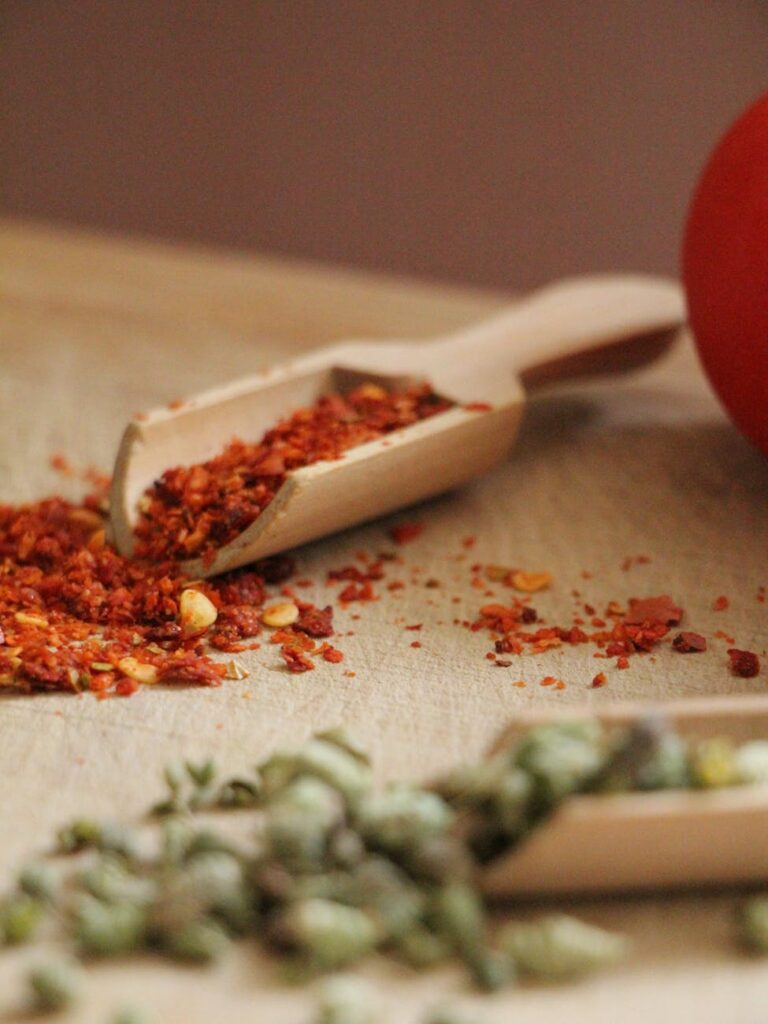
Post-harvest processing can include grinding dried dulse into a powder or creating flaked varieties for culinary uses. The drying process is crucial, as moisture content must be controlled to prevent spoilage. Producers often utilize specialized equipment to ensure that the dulse retains its vibrant color and robust flavor throughout processing.
Quality and Grading
Quality and grading of dulse are essential for both culinary and commercial purposes. Factors influencing quality include color, texture, and moisture content. High-quality dulse should exhibit a deep red to purple hue, indicating optimal pigmentation and nutrient density. The texture should be crisp and not overly brittle, ensuring it retains its integrity during cooking or storage.
Grading systems vary by region but generally categorize dulse into premium, standard, and culinary grades. Premium dulse is typically used in gourmet applications, while standard grades may be utilized in bulk or processed products.
Buying Considerations
When purchasing dulse, several factors should be taken into account to ensure quality and suitability for intended uses.
1. Form: Dulse is available in various forms, including whole dried leaves, flakes, and powder. Consider which form aligns best with your intended use—whether as a topping, seasoning, or ingredient in dishes.
2. Source: Look for dulse sourced from clean, sustainable waters. Certifications such as organic or sustainably harvested can provide assurance of quality and environmental responsibility.
3. Packaging: Ensure that the packaging is intact and free from moisture. Dulse should be stored in airtight containers to maintain freshness and prevent spoilage.
4. Origin: Familiarize yourself with the regions known for high-quality dulse. Dulse from specific areas, such as the Atlantic coasts of Canada and Ireland, is often regarded as superior due to traditional harvesting techniques and environmental conditions.
Uses and Applications
Dulse is incredibly versatile and can be employed in numerous applications across various fields:
Culinary Uses
Dulse’s umami flavor makes it an excellent addition to a wide range of dishes. It can be rehydrated and used in soups, salads, or as a seasoning. The versatility of dulse extends to being a topping for pizzas, a flavor enhancer for sauces, and even a component in snack foods.
Nutritional Supplements
Dulse is rich in vitamins and minerals, such as iodine, potassium, and vitamins A, C, and B12. Its nutritional profile makes it a desirable ingredient for health-conscious consumers, often marketed as a superfood.
Agricultural Applications
Seaweeds like dulse are increasingly being recognized for their benefits in agriculture. When used as a natural fertilizer or soil additive, dulse can enhance soil health and promote plant growth. Its organic matter improves soil structure and fertility, making it appealing to sustainable farming practices.
Industrial Uses
Dulse has found its way into various industrial applications, including cosmetics and bioplastics. Its natural thickening properties make it a useful ingredient in skincare products, while its biodegradable nature positions it as a promising component in the development of sustainable materials.
Storage and Shelf Life
Proper storage of dulse is essential to maintain its flavor and nutritional integrity. Dulse should be kept in a cool, dry place, preferably in an airtight container to prevent moisture absorption.
When stored correctly, dried dulse can last up to two years. However, once opened, it is advisable to consume it within six months for optimal freshness. Signs of spoilage include an off smell or discoloration, indicating that the dulse should be discarded.
Common Misconceptions
Despite its rising popularity, several misconceptions about dulse persist: