
Endive About Guide Part 7
Introduction
Endive, a leafy vegetable from the chicory family, is a versatile ingredient prized for its slightly bitter flavor and crisp texture. This guide delves into various aspects of endive, including its history, production, quality, and more. Whether you are a culinary enthusiast or a professional chef, understanding the nuances of endive can enhance your cooking repertoire and appreciation for this unique vegetable.
What Is Endive?
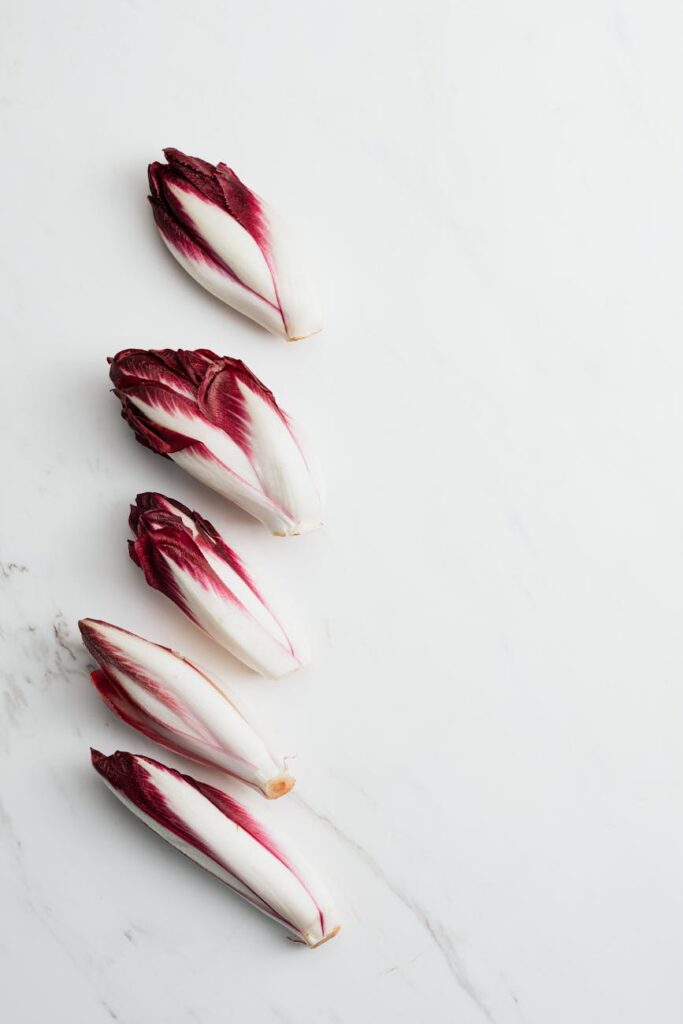
Endive refers to several varieties of leafy greens, primarily categorized into two types: Belgian endive (Cichorium intybus var. foliosum) and curly endive (Cichorium endivia). Belgian endive is characterized by its elongated, pale yellow-white leaves that grow in a tightly packed head, while curly endive, also known as frisée, features frilly, green leaves with a more pronounced bitterness. Both types are often used in salads, sandwiches, and as garnishes, offering a refreshing crunch and an intriguing flavor profile.
History and Origins
The history of endive dates back to ancient times. The chicory plant, from which endive is derived, is believed to have originated in the Mediterranean region. Historical records indicate that the Egyptians cultivated chicory as early as 3,000 B.C. The Romans also valued this vegetable, using it for both culinary and medicinal purposes.
The modern cultivation of Belgian endive began in Belgium in the 19th century. It was discovered that by forcing the roots of chicory to grow in darkness, a tender and sweeter vegetable could be produced. This innovative method of cultivation led to the popularization of endive across Europe and, eventually, the rest of the world.
Curly endive, on the other hand, has been cultivated for centuries, particularly in Mediterranean countries. Its distinct appearance and flavor made it a staple in many traditional dishes, especially in salads, where its crisp texture complements a variety of ingredients.
Production and Processing
Endive is primarily grown in cool climates, with Belgium, France, and the Netherlands being significant producers. The cultivation process involves several steps, starting with the sowing of chicory seeds. Once the plants reach maturity, they are harvested for their roots, which are then stored in a controlled environment to induce forcing.
During the forcing process, the roots are kept in dark, humid conditions, prompting the development of the pale, tender leaves that characterize Belgian endive. This method not only enhances the flavor but also prevents the leaves from becoming green and bitter due to exposure to sunlight.
Curly endive is typically grown in open fields, where it receives ample sunlight. The leaves are harvested when they reach a desirable size and are then carefully washed and packaged to ensure freshness. Both types of endive require specific handling to maintain their quality, as they are sensitive to bruising and spoilage.
Quality and Grading
Quality is a crucial factor in the marketability of endive. High-quality endive should exhibit vibrant colors, firm leaves, and a crisp texture. The grading of endive is typically based on several parameters, including size, shape, and overall appearance.
For Belgian endive, a uniform size and a well-formed head are essential indicators of quality. The leaves should be tightly packed, free of discoloration, and devoid of any signs of wilting. Curly endive, on the other hand, is graded based on the fullness of the head, the vibrancy of the green color, and the lack of blemishes.
Consumers should look for endive that feels crisp to the touch and has a fresh aroma. Proper grading not only ensures a better culinary experience but also extends the shelf life of the vegetable.
Buying Considerations
When purchasing endive, several factors should be taken into account to ensure you select the best quality. Look for endive that is firm and crisp, with no signs of wilting or browning. The leaves should be bright and vibrant, indicating freshness.
For Belgian endive, choose heads that are tightly packed and free of blemishes. If the outer leaves are slightly discolored, it may indicate that the endive is past its prime. Curly endive should have a full, frilly appearance, with no yellowing or wilting.
Consider the source of your endive as well. If possible, buy from local farmers’ markets or reputable grocery stores that prioritize fresh, high-quality produce. Seasonal availability can also affect the quality and price of endive, so purchasing during peak season may yield the best results.
Uses and Applications
Endive is a versatile ingredient that can be used in a variety of culinary applications. Its slightly bitter taste and crunchy texture make it an excellent addition to salads, providing a contrast to sweeter ingredients like fruits and nuts.
Belgian endive can be used in a range of dishes, from raw salads to cooked preparations. It is often grilled or braised, which softens its texture and mellows its flavor. Furthermore, it can serve as a vessel for fillings, making it a popular choice for appetizers and hors d’oeuvres.
Curly endive, with its unique shape and texture, is often used as a garnish, adding visual appeal to dishes. It can also be incorporated into soups and stews, where its bitterness can enhance the overall flavor profile. Additionally, endive pairs well with various dressings, cheeses, and proteins, making it a versatile ingredient in both simple and elaborate dishes.
Storage and Shelf Life
Proper storage is essential for maintaining the freshness and quality of endive. Store endive in the refrigerator, preferably in a produce drawer where humidity is controlled. It is best to keep endive unwashed until just before use, as excess moisture can lead to spoilage.
For optimal shelf life, wrap endive in a damp paper towel and place it inside a perforated plastic bag. This method helps maintain moisture without promoting rot. Under