
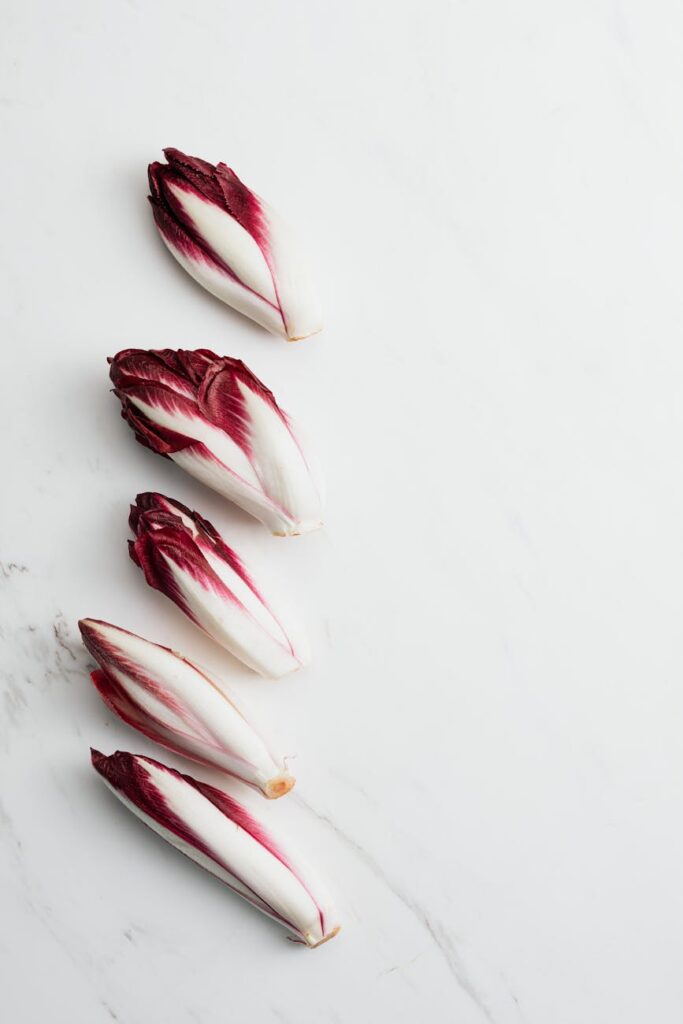
Endive Around the World
Introduction
Endive, a leafy green vegetable belonging to the chicory family, is revered for its distinctive flavor and versatility in culinary applications. It has gained a prominent place in various cuisines around the globe, from salads to garnishes, and even as a base for appetizers. This article explores endive’s rich history, global production, quality grading, and practical considerations, offering a comprehensive overview of this fascinating ingredient that delights chefs and home cooks alike.
What Is Regions?
“Regions” in the context of endive refers to the geographical areas where this versatile vegetable is cultivated and consumed. The characteristics of endive can vary significantly depending on regional growing conditions, climate, and culinary traditions. Understanding these regions not only enhances appreciation for the ingredient but also influences purchasing decisions for chefs and consumers.
History and Origins
Endive’s origins can be traced back to the Mediterranean region, particularly ancient Egypt and Greece, where it was initially cultivated for its medicinal properties. The vegetable has been cultivated since at least the 5th century B.C., and through the ages, it has found its way into various European cuisines.
The most common varieties of endive, including Belgian endive and curly endive, were developed in the 19th century. Belgian endive, known for its pale, elongated leaves, was first cultivated in Belgium in 1850. The French have also made significant contributions to its cultivation, developing varieties such as frisée and escarole, which are popular in salads and garnishes.
Today, endive is grown in several countries, with notable production in Belgium, the Netherlands, France, and Italy. Each region has its own unique approach to cultivation and utilization, reflecting local tastes and traditions.
Production and Processing
Endive is typically grown in cool climates, thriving in well-drained, fertile soils. The cultivation process involves two distinct phases: the growing of the leaves and the forcing of the buds.
1. Growing Phase: The plant is first cultivated in the field until the leaves reach a desired size. This phase typically occurs in the spring and summer months.
2. Forcing Phase: Once the plants are harvested, they are stored in dark, cool conditions to promote the growth of the buds. This process, known as “forcing,” produces the white, tender shoots that are characteristic of Belgian endive. The dark environment prevents the chlorophyll from developing, which is crucial for obtaining the desired flavor and texture.
Countries like Belgium and the Netherlands have perfected these techniques, leading to high-quality endive that is sought after in international markets. Modern production methods emphasize sustainability, with growers increasingly adopting organic practices to meet consumer demand.
Quality and Grading
Quality and grading are vital in determining the market value of endive. Factors influencing quality include size, color, and texture. The following grading criteria are commonly used:
- Size: Endive is typically graded by length, with longer shoots being more desirable.
- Color: High-quality endive exhibits a creamy white color, indicating proper forcing conditions. Any green discoloration suggests exposure to light, which detracts from the vegetable’s quality.
- Texture: Fresh endive should feel firm and crisp, with no signs of wilting or browning.
- Salads: Endive is often used raw in salads, where its crisp texture and slightly bitter flavor can balance richer ingredients such as cheese or nuts.
- Garnishes: The leaves serve as excellent edible vessels for dips and spreads, making them ideal for appetizers.
- Cooking: While often enjoyed raw, endive can also be braised or grilled, with cooking methods softening its bitterness and enhancing its sweetness.
- Soups and Stews: In some regions, endive is incorporated into soups and stews, providing depth and complexity to the dish.
- Refrigeration: Endive should be stored in the refrigerator, ideally wrapped in a damp paper towel and placed in a perforated plastic bag to maintain humidity while allowing airflow.
- Duration: When stored correctly, endive can last up to a week. However, it is best consumed within a few days of purchase for optimal freshness.
- Preparation: Once cut, endive should be used within a day or two, as exposure to air can lead to browning and degradation
In many regions, endive is graded into categories such as “Extra,” “Class I,” and “Class II,” reflecting varying levels of quality. This grading system helps retailers and consumers make informed purchasing decisions.
Buying Considerations
When purchasing endive, several factors should be taken into account to ensure optimal freshness and quality:
1. Visual Inspection: Look for firm, crisp leaves with a creamy white color. Avoid any that show signs of wilting, browning, or excessive discoloration.
2. Seasonality: Endive is typically available year-round, but its peak season varies by region. In Europe, for instance, winter months are particularly favorable for Belgian endive.
3. Source: Consider purchasing from local farmers or trusted suppliers who prioritize sustainable practices and freshness.
4. Organic vs. Conventional: With the rising demand for organic produce, consumers may choose organic endive for its perceived health benefits and lower environmental impact.
By adhering to these considerations, buyers can ensure they select the best quality endive available.
Uses and Applications
Endive is celebrated for its versatility in the kitchen. Its unique flavor profile—bitter yet slightly nutty—allows it to be used in various culinary applications:
Culinary traditions across the world have embraced endive, adapting its use to local tastes and ingredients, making it a truly global ingredient.
Storage and Shelf Life
Proper storage of endive is crucial for maintaining its quality and flavor. Here are some guidelines for optimal storage: