
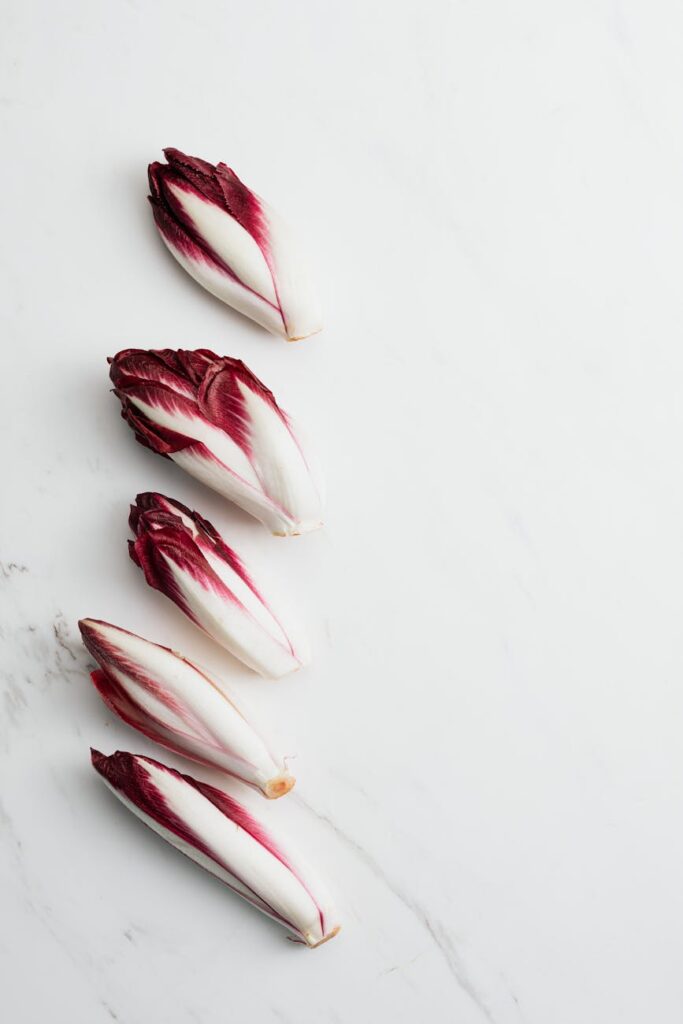
Endive Buying Guide Part 7
Introduction
Endive, a leafy green vegetable belonging to the chicory family, is celebrated for its slightly bitter flavor and crisp texture. Found in salads, appetizers, and as a garnish, endive has garnered a dedicated following among chefs and home cooks alike. Understanding the intricacies of buying endive is crucial for ensuring the highest quality produce for culinary endeavors. In this guide, we will explore the multifaceted aspects of purchasing endive, from its historical roots to practical buying considerations.
What Is Buying?
Buying, in the context of food ingredients, refers to the process of selecting and purchasing food items, taking into account various factors such as quality, seasonality, source, and price. When it comes to endive, this process involves discerning the different types available, understanding their characteristics, and knowing how best to select the freshest specimens. This knowledge helps to ensure that consumers make informed choices that enhance their culinary experiences.
History and Origins
Endive has a rich history that dates back to ancient Egypt and Greece, where it was cultivated for its medicinal properties as well as its culinary uses. The modern varieties of endive, particularly Belgian endive, were developed in the 19th century in Belgium. The unique method of growing endive in the dark—known as blanching—allowed for the development of its pale, tender leaves, which are less bitter than their wild counterparts.
Today, endive is cultivated worldwide, with significant production in Europe, North America, and parts of Asia. Its popularity has soared in recent years due to the rising interest in gourmet cuisine and healthy eating.
Production and Processing
Endive is primarily cultivated in temperate climates, where it thrives in well-drained soil. The production process typically involves two key stages: the initial growth of the leafy green and the subsequent forcing stage, where the leaves are harvested in darkness to maintain their pale color and sweetness.
After harvesting, endive undergoes a careful processing phase to ensure it retains its quality. This can involve washing, trimming, and packaging. Fresh endive is often sold with its roots intact, as this helps to prolong its shelf life. The forced endive is usually packaged in dark-colored bags or boxes to protect it from light exposure, which can cause discoloration and bitterness.
Quality and Grading
When purchasing endive, the quality can vary based on several factors. Here are some key indicators to consider:
- Color: Fresh endive should be a pale yellow to green color. Dark green leaves may indicate overripeness or exposure to too much light, resulting in bitterness.
- Texture: The leaves should be crisp and firm, not wilted or limp. Soft spots or browning edges can indicate spoilage.
- Size: While size can vary, uniformity in size is often preferred, especially for presentation in gourmet dishes.
- Freshness: Look for endive with fresh, moist roots. The longer the roots remain intact, the fresher the endive will be.
- Seasonality: Endive is typically in season from late fall to early spring. Purchasing during this time can yield the freshest produce.
- Source: Knowing where your endive comes from can help ensure quality. Local farms or reputable suppliers are often preferable, as they are less likely to have undergone long transport times that can diminish freshness.
- Organic vs. Conventional: Consider whether you prefer organic endive, which is grown without synthetic pesticides and fertilizers. Organic produce often has a different flavor profile and may be more sustainable.
- Packaging: Check for any signs of damage in the packaging. Damaged packaging can compromise the freshness of the endive inside.
- Price: While price can be a determining factor, it should not be the sole consideration. Sometimes, a higher price reflects better quality, especially in specialty markets or organic produce sections.
- Salads: Its crisp texture and slightly bitter flavor make it an excellent addition to mixed greens. Endive can be used as a base for salads or as a crunchy topping.
- Garnishes: The unique shape of endive leaves makes them ideal for garnishing dishes or serving hors d’oeuvres.
- Cooking: While often eaten raw, endive can also be roasted, grilled, or braised to mellow its bitterness and enhance its sweetness.
- Stuffing: The leaves can be filled with various ingredients for bite-sized appetizers, making them a popular choice for entertaining.
- Refrigeration: Endive should be stored in the vegetable crisper drawer of the refrigerator, ideally in a perforated plastic bag to maintain humidity while allowing for air circulation.
- Shelf Life: When stored correctly, endive can last for about one to two weeks. However, it is best consumed within the first week for optimal freshness.
- Signs of Spoilage: Watch for any signs of wilting, browning, or a slimy texture. If endive begins to show these signs, it is best to discard it.
Grading systems for endive may not be standardized globally, but generally, endive is categorized into grades based on the previously mentioned criteria. Higher grades typically command a premium price due to their superior quality.
Buying Considerations
Several factors should be taken into account when buying endive:
Uses and Applications
Endive is a versatile ingredient that can be used in a variety of culinary applications:
Understanding these applications can help buyers select the appropriate variety and quantity of endive for their culinary needs.
Storage and Shelf Life
Proper storage is essential for maintaining the quality of endive. Here are some guidelines:
By following these storage guidelines, consumers can extend the shelf life of their endive and ensure they enjoy it at its best.
Common Misconceptions
Despite its popularity, several misconceptions about endive persist:
1