
Endive FAQs Answered
Introduction
Endive, a leafy green vegetable belonging to the chicory family, has garnered attention for its crisp texture and slightly bitter flavor. Often found in salads, it can also serve as a versatile ingredient in various culinary applications. This article aims to provide a comprehensive understanding of endive, addressing questions about its history, production, quality, uses, and more. By exploring these facets, we hope to enhance your appreciation for this unique ingredient.
What Is Endive?
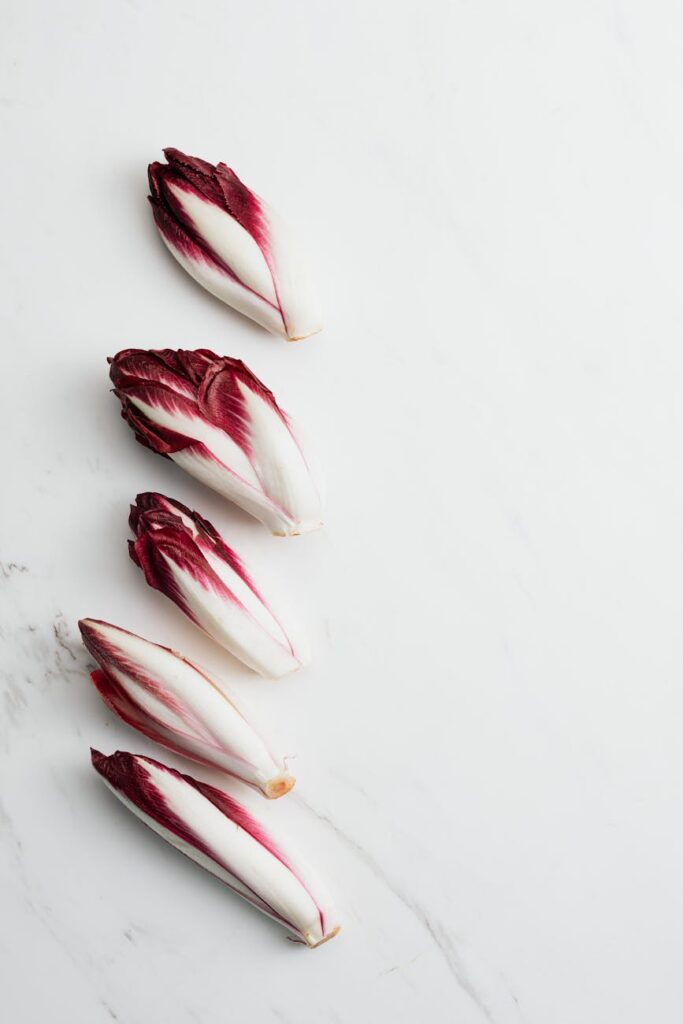
Endive refers to several varieties of leafy greens characterized by their elongated leaves and distinct bitterness. The two most common types are Belgian endive (also known as witloof or Brussels endive) and curly endive (or frisée). Belgian endive features tightly packed, pale yellow leaves with a creamy texture, while curly endive has a more robust and deeply serrated leaf structure, often with a greener color.
Both types of endive are celebrated for their culinary versatility, lending themselves to fresh salads, sautéed dishes, and even as a wrap for various fillings. The unique flavor profile of endive, with its balance of sweetness and bitterness, makes it a valuable addition to diverse cuisines.
History and Origins
Endive’s origins trace back to the Mediterranean region, with historical records indicating its cultivation as far back as the 5th century. The plant was initially utilized for its medicinal properties before evolving into a culinary staple. The two primary varieties—Belgian endive and curly endive—emerged in different regions, with Belgian endive being developed in Belgium in the 19th century through a process known as “forcing.”
This method involved growing the plants in dark conditions to produce the characteristic pale leaves, which are less bitter than their outdoor-grown counterparts. Over time, endive spread across Europe and later to North America, where it became popular in both home cooking and upscale dining.
Production and Processing
The cultivation of endive requires specific climatic conditions, thriving in cooler temperatures. Belgian endive is grown primarily in darkened conditions to maintain its pale color, a process that can take several months from seed to harvest. After the initial growth phase, the plants are uprooted and placed in dark storage to encourage the growth of the tender, blanched leaves.
Curly endive, on the other hand, is grown in the open air, allowing it to develop its characteristic green color and slightly more pronounced bitterness. The harvesting process typically involves cutting the plants at the base, ensuring that they remain fresh and crisp for consumers.
Once harvested, endive undergoes a meticulous cleaning process to remove dirt and debris. It is then packaged and transported to markets, where it is made available to consumers, chefs, and food service establishments.
Quality and Grading
The quality of endive is determined by several factors, including color, texture, and the absence of blemishes. High-quality endive should have vibrant, crisp leaves, free from browning or wilting. Belgian endive should be tightly packed and pale yellow, while curly endive should exhibit a deep green hue with a slight sheen.
Grading standards can vary by region, but generally, endive is categorized into different grades based on these quality indicators. Higher grades command better prices in the market, making it essential for growers to adhere to best practices in cultivation and post-harvest handling.
Buying Considerations
When purchasing endive, it is crucial to consider freshness and quality. Look for leaves that are firm to the touch, with no signs of wilting or discoloration. For Belgian endive, the heads should be tightly packed and have a creamy hue. Curly endive should appear vibrant and crisp, with no signs of browning at the edges.
Additionally, consider the source of the endive. Local and organic varieties may offer superior flavor and freshness compared to mass-produced options. Seasonal availability can also influence quality, as endive is typically harvested in the cooler months.
Uses and Applications
Endive is a versatile ingredient, suitable for a variety of culinary applications. Its unique flavor and texture make it an excellent choice for salads, where it can add both crunch and a touch of bitterness. Belgian endive can be used in appetizers, often filled with cheeses or spreads, while curly endive can be incorporated into more robust dishes, such as soups and stir-fries.
Moreover, endive can serve as an elegant vehicle for dips and spreads, allowing chefs to create visually appealing presentations. Its leaves can also be grilled or roasted, which enhances their natural sweetness and adds complexity to dishes.
Storage and Shelf Life
To maintain the freshness of endive, proper storage is essential. It is best kept in the refrigerator, wrapped in a damp paper towel and placed inside a plastic bag or container to retain moisture. This helps prevent the leaves from wilting and losing their crisp texture.
When stored correctly, endive can last for about one week. However, it’s advisable to consume it as soon as possible for optimal flavor and texture. If the leaves begin to brown or wilt, they may still be salvageable by trimming the damaged parts, but the overall quality may be compromised.
Common Misconceptions
One common misconception about endive is that all types are bitter. While it is true that endive possesses a certain level of bitterness, this quality can vary significantly between varieties and growing conditions. For instance, Belgian endive is generally milder than curly endive, which can have a more pronounced bitter flavor.
Another misconception is that endive is difficult to prepare. In reality, it is a straightforward ingredient that can be used in numerous ways, ranging from fresh salads to cooked dishes. Its versatility makes it a valuable addition to any kitchen, regardless of culinary skill level.
Frequently Asked Questions
1. Is endive a type of lettuce?
Endive is often confused with lettuce, but it belongs to the chicory family, which is distinct from the lettuce family. While both are leafy greens, endive has a unique flavor profile and texture that sets it apart from standard lettuce varieties.
2. How can I tell if endive is fresh?
Fresh endive should have crisp leaves, vibrant color, and no signs of wilting or browning. The leaves should feel firm to the touch, and the overall appearance should be appealing. If you notice any slimy spots or excessive browning, it’s best to avoid that particular head.
3. Can I eat endive raw?
Yes, endive is commonly consumed raw, especially in salads. Its crunchy texture and slightly bitter flavor complement a variety of dressings and other ingredients. Belgian endive is particularly popular as a raw ingredient due to its mild taste.
4. Are there any differences between Belgian and curly endive?
Yes, Belgian endive has tightly packed, pale yellow leaves and a milder flavor, while curly endive features more serrated, deep green leaves with a more pronounced bitterness. Each type has its unique culinary applications based on these characteristics.
5. How do I prepare endive for cooking?
Preparing endive for cooking is simple. Remove any damaged outer leaves, then cut the end off the base if necessary. For Belgian endive, you can slice it in half or into quarters, while curly endive can be chopped into bite-sized pieces. Rinse the leaves thoroughly to remove any dirt before cooking.
6. Is endive available year-round?
While endive is available in many markets throughout the year, its peak season is typically during the cooler months, from late fall to early spring. Availability may vary by region and local growing conditions, so it is advisable to check with local farmers or markets for the freshest options.
—
Endive is more than just a leafy green; it is a versatile ingredient steeped in history and culinary tradition. Understanding its qualities, uses, and best practices for selection and storage can elevate your cooking and appreciation for this unique vegetable. Whether in salads, appetizers, or cooked dishes, endive offers a delightful addition to a range of culinary creations.