
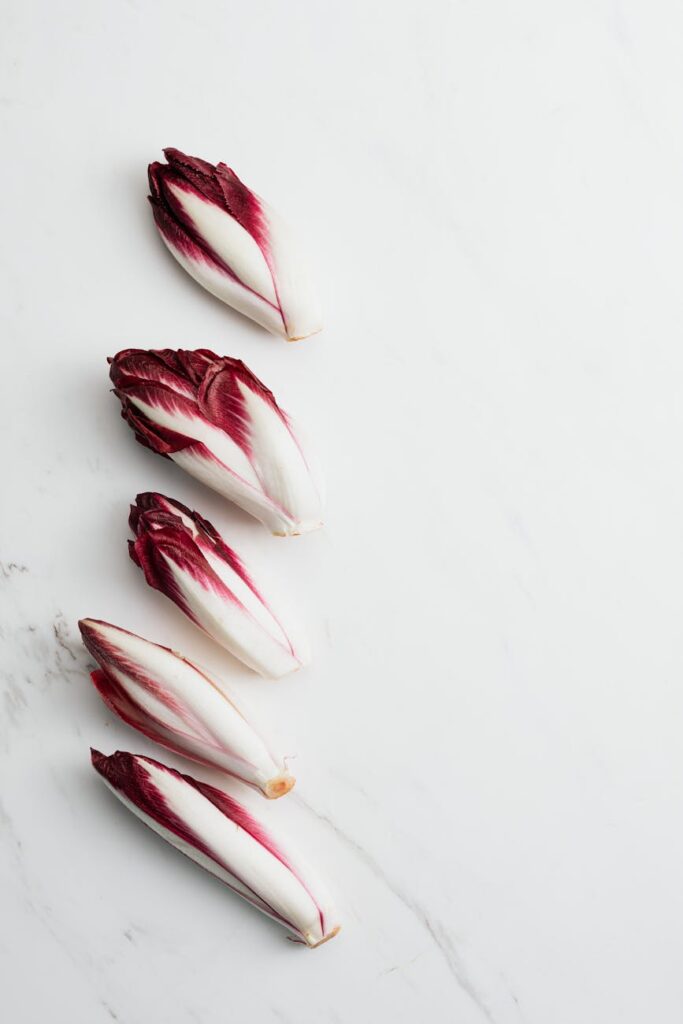
Endive Guides Guide Part 7
Introduction
Endive, a leafy vegetable belonging to the chicory family, is celebrated for its unique flavor and versatility. This guide aims to provide a comprehensive overview of endive, detailing its history, production, quality grading, and more. Whether you are a chef, a culinary enthusiast, or a food educator, understanding the nuances of endive can enhance your appreciation and application of this ingredient in various culinary contexts.
What Is Endive?
Endive (Cichorium endivia) is a leafy green vegetable that comes in two main varieties: curly endive, also known as frisée, and Belgian endive, which is characterized by its elongated, tightly packed leaves. Both types boast a slightly bitter flavor profile that is balanced by a crisp texture. Endive is commonly used in salads, garnishes, and as a cooked vegetable, making it a versatile component in many cuisines around the world.
History and Origins
Endive has a rich history that dates back to ancient times. Originally cultivated in the Mediterranean region, it has been a staple in European diets for centuries. The French and the Dutch played pivotal roles in refining and popularizing endive cultivation. Belgian endive, for instance, was developed in Belgium in the 19th century through a process known as blanching, which involves growing the plant in darkness to produce pale, tender leaves. This method not only enhances the flavor but also contributes to the vegetable’s distinctive appearance.
Production and Processing
Endive cultivation requires a specific type of climate, generally thriving in cooler temperatures. Ideal growing conditions include well-drained soil rich in organic matter. The production cycle of endive can be divided into two main phases: the initial growth phase and the forcing phase, particularly for Belgian endive.
1. Initial Growth Phase: Seeds are sown in the spring or summer, and the plants grow for several months. During this time, they develop robust leaves above ground.
2. Forcing Phase: After harvesting the mature leaves, the roots are stored in dark, humid environments to encourage the growth of new shoots. This process, which typically lasts a few weeks, results in the tender, pale leaves characteristic of Belgian endive.
Once harvested, endive can undergo various processing methods to enhance its shelf life and marketability, including washing, trimming, and packaging.
Quality and Grading
The quality of endive is determined by several factors, including freshness, color, and overall appearance. High-quality endive should have vibrant, crisp leaves free from blemishes or wilting. Grading criteria may vary by market, but generally include:
- Grade A: These are the best quality leaves, characterized by their freshness, firmness, and vibrant color.
- Grade B: Slightly lower quality, these leaves may have minor blemishes but are still suitable for consumption.
- Grade C: These are often used for processing or cooking, as they may have significant imperfections.
- Variety: Determine whether you need curly endive or Belgian endive for your intended application, as their flavors and textures differ significantly.
- Freshness: Check for crispness and firmness, as wilted leaves indicate aging.
- Color: Vibrant green and pale yellow hues suggest freshness, while browning can indicate spoilage.
- Seasonality: Endive is typically in season from late fall through early spring, so consider sourcing from local farmers during this time for the best quality.
- Organic vs. Conventional: Organic endive may be preferable for those concerned about pesticide residues and environmental impact.
- Salads: Its bitter flavor pairs well with sweet and acidic dressings, making it an excellent choice for fresh salads.
- Garnishes: The unique texture and appearance of endive leaves can enhance the presentation of various dishes.
- Cooking: While often served raw, endive can be sautéed, grilled, or braised to soften its texture and mellow its bitterness.
- Stuffing: The sturdy leaves of Belgian endive can be used as vessels for various fillings, making them ideal for appetizers or party platters.
- Refrigeration: Store endive in the crisper drawer of your refrigerator, wrapped in a damp paper towel and placed in a perforated plastic bag. This helps maintain humidity while allowing airflow.
- Avoiding Ethylene Gas: Keep endive away from ethylene-producing fruits like bananas and apples, as exposure can accelerate spoilage.
- Shelf Life: Fresh endive typically lasts about one week in the refrigerator. However, its quality diminishes over time, so it is best to use it as soon as possible.
- “Endive is just a type of lettuce.” While endive may share some characteristics with lettuce, it belongs to the chicory family and has a distinct flavor profile.
- “Endive is too bitter to enjoy.” While endive does have a slight bitterness, this can be balanced with complementary flavors in salads and dishes. Cooking can also reduce its bitterness.
- “All endive varieties are the same.” The two main types of endive—curly and Belgian—offer different textures and flavors, making them suitable for various applications.
When purchasing endive, look for tightly packed leaves with minimal browning or discoloration, as these factors often indicate freshness and quality.
Buying Considerations
When buying endive, there are several factors to consider:
Uses and Applications
Endive is a versatile ingredient that can be used in a variety of culinary applications:
Storage and Shelf Life
To maintain its freshness, endive should be stored properly. Here are some key storage tips:
Common Misconceptions
Despite its popularity, several misconceptions surround endive:
Frequently Asked Questions
1. What is the difference between