
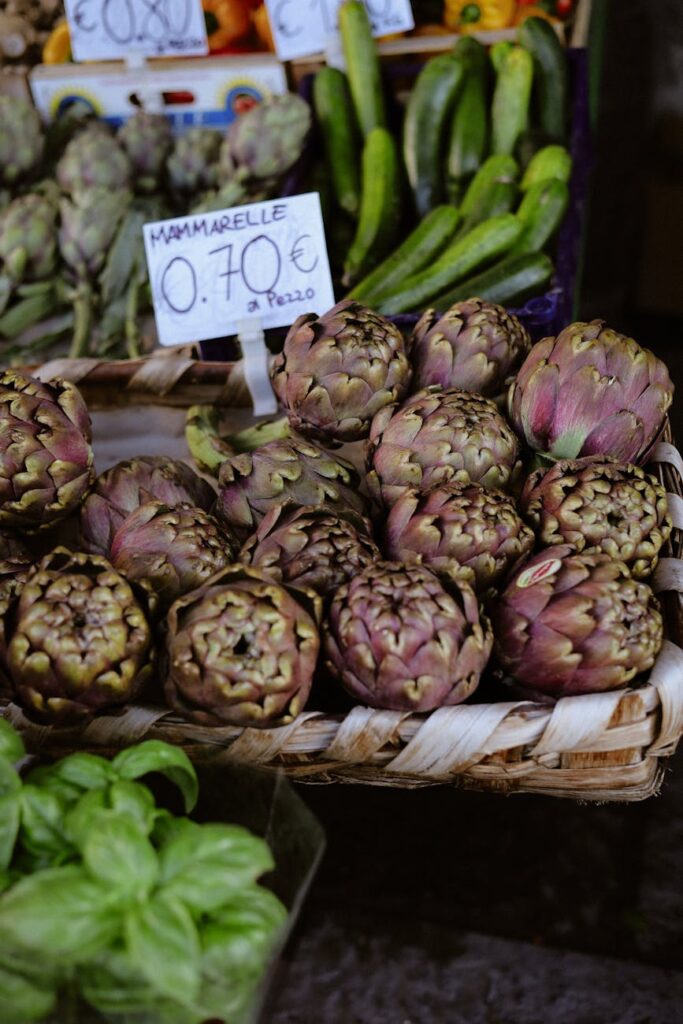
Everything You Need to Know About Artichoke
Introduction
Artichokes, with their unique appearance and complex flavor profile, are a fascinating ingredient that has captivated culinary enthusiasts for centuries. Known for their tender hearts and nutty, slightly sweet taste, these thistle-like vegetables offer a variety of uses in both traditional and contemporary cuisines. This comprehensive guide will explore the artichoke’s history, production, quality grading, buying considerations, applications, and more, providing a deep understanding of this versatile ingredient.
What Is Artichoke?
The artichoke (Cynara scolymus) is a perennial thistle belonging to the Asteraceae family, which also includes sunflowers and daisies. It is primarily cultivated for its edible buds, which are harvested before they bloom into striking purple flowers. There are several varieties of artichokes, with the globe and French artichokes being the most common. Renowned for their unique shape and palatable taste, artichokes are not only a culinary delight but also a source of dietary fiber, antioxidants, and vitamins.
History and Origins
Artichokes have a rich historical background, believed to have originated in the Mediterranean region, particularly in areas now known as Italy and Spain. Historical records suggest that artichokes were cultivated by the ancient Greeks and Romans, who appreciated their culinary qualities as well as their medicinal properties.
In the 16th century, artichokes made their way to France, where they were embraced by the aristocracy and later became a staple in French cuisine. The vegetable was introduced to the United States in the 19th century, thriving primarily in California, which remains the largest producer today. The artichoke’s journey from ancient culinary treasure to contemporary gourmet ingredient illustrates its enduring popularity across cultures.
Production and Processing
Artichokes thrive in temperate climates with well-drained soil and require a significant amount of sunlight for optimal growth. The cultivation process begins with planting seeds or young plants in the spring, followed by careful management of water, nutrients, and pests. It typically takes a year or more for artichokes to mature, with the peak harvest season occurring from late spring to early summer.
Once harvested, artichokes undergo processing to ensure quality preservation. They are typically washed, trimmed, and packed for distribution. Various preservation methods, such as canning, freezing, and pickling, enhance their shelf life and expand their culinary applications.
Quality and Grading
The quality of artichokes is determined by several factors, including size, color, and firmness. High-quality artichokes should have tightly closed leaves and a vibrant green color, indicating freshness. The grading system is generally categorized as follows:
- US Fancy: The highest grade, featuring large, tightly closed buds with no blemishes.
- US No. 1: Slightly smaller than Fancy grade but still of good quality.
- US No. 2: These may have minor defects but are still suitable for consumption.
- Appetizers: Artichokes can be served steamed or grilled, often accompanied by dips such as garlic aioli or lemon butter.
- Salads: Tender artichoke hearts are a popular addition to salads, providing texture and flavor.
- Pasta Dishes: They can be incorporated into pasta sauces or served alongside pasta for a hearty meal.
- Stuffed: Stuffing artichokes with breadcrumbs, cheese, and herbs is a traditional preparation that highlights their unique flavor.
- Preserved: Canned or marinated artichokes are commonly used in antipasto platters and as pizza toppings.
- Fresh Artichokes: Store them in the refrigerator, ideally in a perforated bag, to maintain moisture while allowing airflow. They can last up to a week.
- Cooked Artichokes: Once cooked, they should be refrigerated in an airtight container and consumed within three to five days.
- Frozen Artichokes: For longer storage, artichokes can be blanched and then frozen, retaining their flavor and texture for about six months.
- Canned or Jarred Artichokes: These have a longer shelf life and can be stored in a cool, dark place until opened.
When purchasing artichokes, consumers should look for a heavy feel and tightly packed leaves, as these characteristics signal freshness and quality.
Buying Considerations
When searching for artichokes, consider the following factors to ensure you select the best quality:
1. Seasonality: Artichokes are typically in season from March to May. Purchasing during this time can yield the freshest produce.
2. Physical Appearance: Look for firm, heavy artichokes with tightly closed leaves. Avoid those with browning or wilting leaves, which may indicate spoilage.
3. Variety: Familiarize yourself with different varieties. Globe artichokes are larger and have a more robust flavor, while baby artichokes are smaller and tenderer.
4. Organic vs. Conventional: Organic artichokes may be preferable for those concerned about pesticides and synthetic fertilizers.
Uses and Applications
Artichokes are incredibly versatile, finding their way into a myriad of dishes across global cuisines. Here are some common uses:
Additionally, artichokes can be used to make a flavorful broth or infused into oils, showcasing their culinary versatility.
Storage and Shelf Life
Artichokes are best used fresh but can be stored for a limited time if handled properly. Here are some guidelines for storage:
Common Misconceptions
Despite their popularity, several misconceptions about artichokes persist:
1. Artichokes are Difficult to Prepare: While they may seem intimidating, artichokes can be easily prepared with a few simple techniques, such as steaming or boiling.
2. Artichokes are Only for Gourmet Dishes: Artichokes can be enjoyed in everyday meals and are versatile enough for casual and formal dining alike.
3. All Artichokes are the Same: Different varieties offer distinct flavors and textures, suitable for various culinary applications.
Understanding these misconceptions can enhance appreciation and enjoyment of this remarkable ingredient.
Frequently Asked Questions
1. Are artichokes low in calories?
Yes, artichokes are relatively low in calories, making them a healthy addition to a balanced diet. They are high in fiber, which can promote satiety.
2. How can I tell if an artichoke is fresh?
Fresh artichokes should feel heavy for their size, have tightly closed leaves, and exhibit a vibrant green color. Avoid any with brown or wilting leaves.
3. Can you eat the leaves of an artichoke?
Yes, the outer leaves of the artichoke can be eaten. They are typically dipped in sauces and scraped with the teeth to extract the tender flesh.
4. What is the best way to cook artichokes?
Artichokes can be cooked using various methods, including steaming, boiling, grilling, or roasting. Each method brings out unique flavors and textures.
5. Are there any health benefits associated with artichokes?
Artichokes are rich in antioxidants, vitamins, and dietary fiber, which can contribute to overall well-being. They are also known for their potential digestive benefits.
6. How do I prepare artichokes for cooking?
To prepare artichokes, start by trimming the stems and removing any tough outer leaves. You may also cut off the top inch of the artichoke and rub the cut edges with lemon to prevent browning.
Conclusion
Artichokes are a captivating ingredient that combines culinary versatility with a rich historical background. Understanding their origins, production, quality grading, and culinary applications can enhance your appreciation for this unique vegetable. With proper storage and preparation techniques, artichokes can elevate any dish, making them a valuable addition to your culinary repertoire. Whether enjoyed in a fine dining setting or a casual home meal, artichokes continue to be a beloved ingredient around the world.