
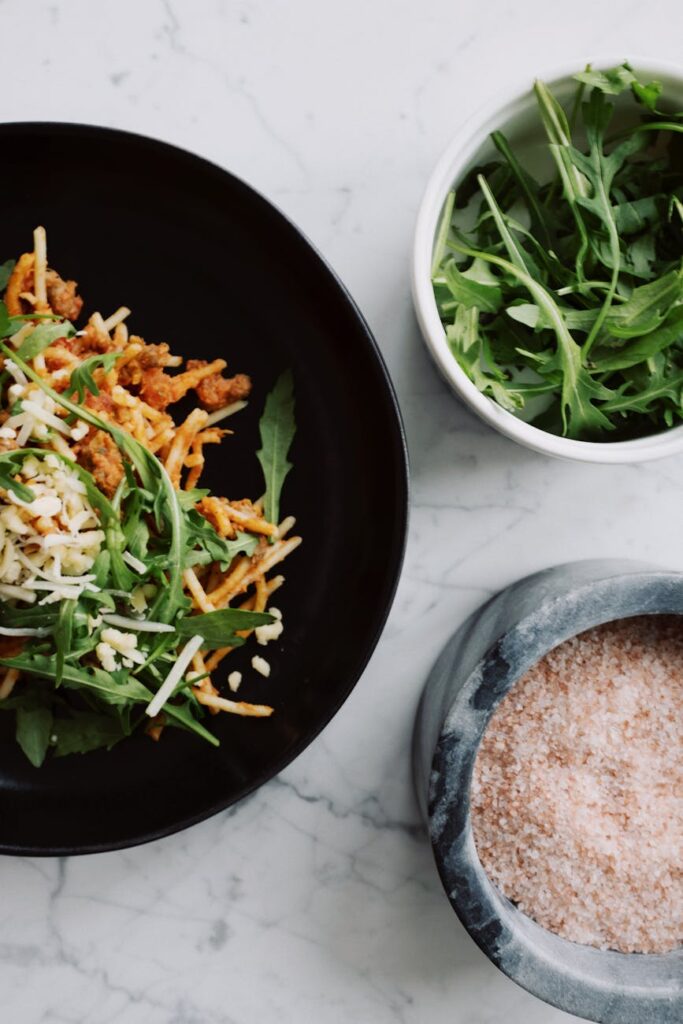
Everything You Need to Know About Arugula
Introduction
Arugula, also known as Eruca sativa, is a leafy green that has garnered increasing attention in culinary circles and health-conscious kitchens alike. With its distinct peppery flavor and versatility, arugula is celebrated not just for its taste but also for its nutritional profile. This article delves into various aspects of arugula, including its history, production, quality grading, buying tips, and common misconceptions, offering a comprehensive guide for anyone interested in this vibrant ingredient.
What Is Arugula?
Arugula belongs to the Brassicaceae family, which includes cruciferous vegetables such as broccoli, kale, and cabbage. Often referred to as “rocket” in parts of Europe, arugula is characterized by its dark green, jagged leaves and a bold, slightly bitter flavor profile that intensifies with maturity. It is a cool-season crop that thrives in temperate climates, making it a popular choice among home gardeners and commercial growers alike.
History and Origins
Arugula has a rich history that dates back to ancient times. It was cultivated by the Romans and mentioned in texts by Pliny the Elder, who praised its culinary and medicinal properties. Initially regarded as an aphrodisiac, arugula was commonly used in traditional dishes throughout the Mediterranean. As trade routes expanded, the leafy green made its way to various regions, adapting to local cuisines and agricultural practices.
In the United States, arugula gained popularity in the late 20th century, particularly in gourmet and health-focused cooking. Its appeal has since spread to mainstream markets, where it is now a staple in salads, sandwiches, and various dishes.
Production and Processing
Arugula is cultivated in temperate climates, with optimal growth conditions being cool temperatures and well-drained soil. It is typically sown in spring or fall, depending on the region, and can be harvested within a few weeks after planting. The leaves are usually picked young for a milder flavor, although mature leaves can be harvested as well.
Commercially, arugula is processed with care to maintain freshness. After harvesting, it is often washed and packaged for distribution. The leaves are fragile, making it essential to handle them delicately to avoid bruising. Proper post-harvest practices, including refrigeration, are crucial to extending the shelf life of arugula.
Quality and Grading
When assessing the quality of arugula, several factors come into play. Freshness is paramount, and high-quality arugula should have vibrant green leaves, free from yellowing or wilting. The leaves should be crisp and firm, indicating that they have been harvested recently and stored correctly.
Grading typically involves visual inspection and tactile evaluation. Some markets may use standardized grading systems; however, most consumers rely on their senses to determine quality. The absence of pests, diseases, or blemishes is also a key indicator of premium arugula.
Buying Considerations
When purchasing arugula, several factors should be considered to ensure you select the best possible product:
1. Seasonality: Arugula is typically best in the cooler months of spring and fall. Off-season produce may be less flavorful or more expensive.
2. Source: Local farmers’ markets often provide the freshest options. Organic arugula may also be available, which is grown without synthetic pesticides or fertilizers.
3. Appearance: Look for bright, crisp leaves without any yellowing or visible signs of decay. Avoid packages that contain wilted or slimy leaves.
4. Packaging: Pre-packaged arugula should be well-sealed to retain moisture. If buying loose arugula, ensure it is displayed in a refrigerated section.
5. Sustainability: Consider the farming practices of the supplier. Sustainable and environmentally friendly farming methods contribute to better quality and less environmental impact.
Uses and Applications
Arugula’s distinctive flavor makes it a versatile ingredient in various culinary applications. While it is best known for its role in salads, its uses extend far beyond that:
- Salads: Arugula can be the star of a salad or serve as a peppery complement to milder greens. It pairs well with fruits, nuts, and cheeses, enhancing flavor profiles.
- Sandwiches and Wraps: Its bold taste adds depth to sandwiches, wraps, and even burgers, providing a refreshing contrast to richer ingredients.
- Pasta and Grain Dishes: Arugula can be incorporated into warm dishes like pasta or grain salads, wilting slightly and adding a burst of flavor.
- Garnishes: The leaves can be used as a garnish, lending visual appeal and a spicy note to pizzas, soups, and other entrees.
- Pesto and Sauces: Arugula can be blended into pestos or sauces, offering a unique twist on traditional recipes.
- Only a Salad Green: While it is frequently used in salads, arugula can be utilized in various dishes, as previously mentioned.
- Only for Gourmet Cooking: Many believe that arugula is exclusive to gourmet cuisine; however, its bold flavor makes it accessible and enjoyable in everyday meals.
- Bitter Taste: While mature arugula does have a stronger, more bitter flavor, young arugula can be pleasantly mild. The perception of bitterness varies among individuals and can be affected by the preparation method.
- Not Nutrient-Dense: Some might assume that leafy greens are low in nutrients; however, arugula is rich in vitamins A, C, and K, as well as minerals like calcium and potassium.
Storage and Shelf Life
To maintain its freshness, arugula should be stored in a cool, dry place. The ideal storage method is to keep it in the refrigerator, ideally in a perforated plastic bag or a container lined with a damp paper towel to retain moisture without promoting rot.
Under optimal conditions, arugula can last about 5 to 7 days in the refrigerator. However, it is best consumed as soon as possible for maximum flavor and nutritional benefits. Signs of spoilage include wilting, yellowing leaves, and a slimy texture.
Common Misconceptions
Arugula is often misunderstood, leading to several common misconceptions:
Frequently Asked Questions
1. Is arugula the same as rocket?
Yes, “rocket” is another name for arugula, commonly used in many parts of Europe.
2. How do I know if arugula is fresh?
Fresh arugula should have vibrant green leaves that are crisp and free from wilting or yellow spots.
3. Can I eat arugula raw?
Absolutely! Arugula is often enjoyed raw in salads, wraps, and as a garnish.
4. Does arugula taste spicy?
Arugula has a unique peppery flavor that can be described as spicy, especially in mature leaves.
5. How can I incorporate arugula into my diet?
Arugula can be added to salads, sandwiches, pasta dishes, and even blended into sauces for a nutritional boost.
6. Is arugula nutritious?
Yes, arugula is a nutrient-dense leafy green rich in vitamins A, C, and K, as well as essential minerals.
In conclusion, arugula is a versatile and flavorful ingredient that can elevate a variety of dishes while offering health benefits. Understanding its origins, production practices, and culinary applications can enhance your appreciation for this remarkable leafy green. Whether you are a seasoned chef or a home cook, incorporating arugula into your meals can bring a vibrant kick to your culinary creations.