
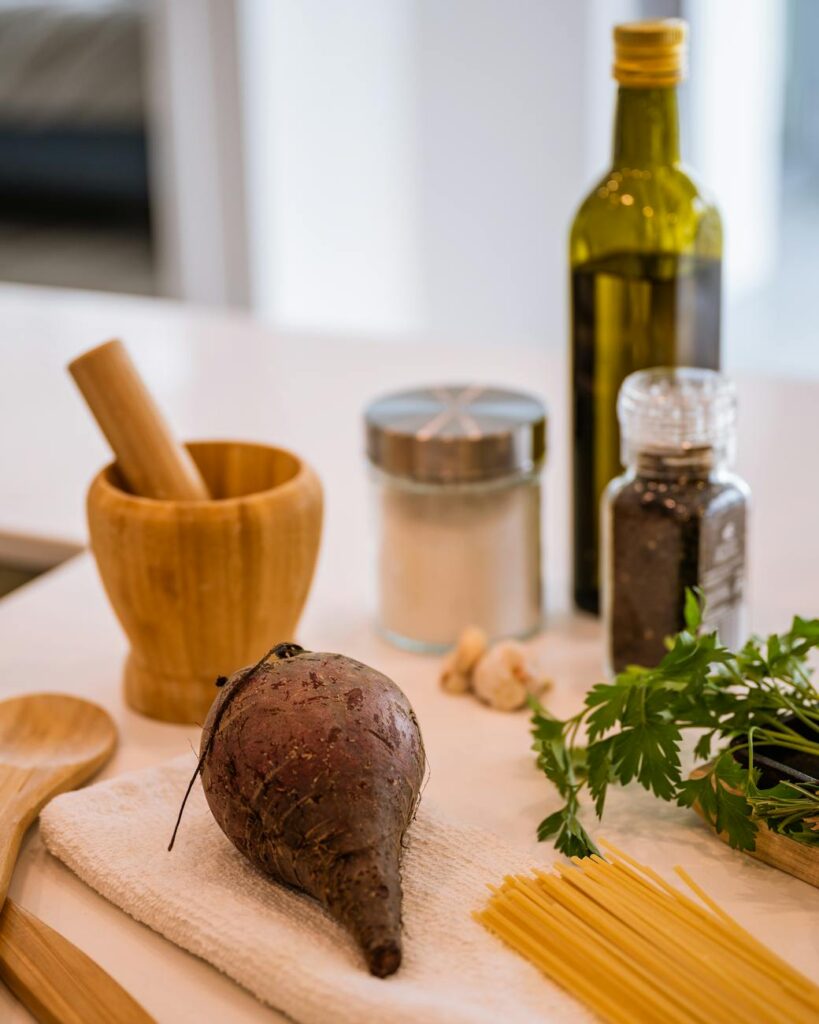
Everything You Need to Know About Beetroot
Introduction
Beetroot, known for its vibrant hue and earthy flavor, is a versatile root vegetable that has gained immense popularity in kitchens and health circles worldwide. From salads to juices, this nutrient-dense ingredient is celebrated not just for its culinary applications but also for its rich history and myriad health benefits. This article will guide you through everything you need to know about beetroot, including its origins, production, quality grading, uses, and more.
What Is Guides?
In the context of food ingredients, ‘guides’ serve as comprehensive resources that provide essential information about the ingredient, covering various aspects such as its history, production methods, quality standards, and culinary applications. These guides aim to empower consumers, chefs, and food enthusiasts with the knowledge to make informed choices regarding the selection, preparation, and usage of ingredients like beetroot.
History and Origins
Beetroot, scientifically known as Beta vulgaris, has a long and storied history that dates back thousands of years. Originating in the Mediterranean region, the wild ancestor of beetroot was primarily cultivated for its greens rather than its taproot. The ancient Babylonians and Greeks recognized the plant’s potential, eventually leading to cultivation practices that spread throughout Europe and Asia.
By the Middle Ages, beetroot had gained prominence in European cuisine, particularly in Eastern Europe. It became a staple in countries like Russia, where it was used in traditional dishes such as borscht. Its arrival in the Americas occurred in the 17th century, and over time, beetroot has evolved into a beloved ingredient used across diverse culinary traditions.
Production and Processing
The production of beetroot primarily takes place in temperate regions with well-drained, fertile soil. Key producers include countries like Russia, the United States, and China. Beetroot is typically sown in spring and harvested in late summer to early autumn. The cultivation process involves several critical steps:
1. Soil Preparation: Farmers prepare the soil by tilling and enriching it with organic matter to ensure optimal growth conditions.
2. Planting: Beetroot seeds are sown directly into the soil, often in rows to facilitate easy harvesting.
3. Watering and Maintenance: Regular irrigation and pest control measures are essential to ensure healthy growth.
4. Harvesting: Once the roots reach a desirable size, they are harvested by hand or using machinery.
5. Processing: After harvesting, beetroots undergo washing, trimming, and sorting before being packaged for sale. Some are processed into juice or canned products for extended shelf life.
Quality and Grading
Quality and grading are vital in ensuring that consumers receive the best beetroot products. The grading system generally considers factors such as size, color, shape, and firmness. High-quality beetroot should be:
- Firm to the Touch: Soft spots indicate decay.
- Vibrant Color: A deep red or purple hue is indicative of freshness and flavor.
- Uniform Size: Consistency is important for cooking and presentation.
- Salads: Grated or roasted beetroot adds texture and flavor to salads.
- Soups: Beetroot is a primary ingredient in traditional soups like borscht, offering a rich color and earthy taste.
- Juices and Smoothies: Fresh beetroot juice has become a popular health drink, known for its refreshing taste and vibrant color.
- Pickling: Pickled beetroot is a common accompaniment to various dishes, providing a sweet-tart flavor.
- Baking: Beetroot can be used in baked goods, adding moisture and a subtle sweetness to cakes and brownies.
- Beetroot is Only for Health Enthusiasts: While beetroot is often associated with health foods, its culinary versatility makes it suitable for a wide range of dishes, appealing to all types of eaters.
- All Beetroot is Red: While red beetroot is the most common variety, there are also golden, white, and striped varieties like Chioggia that offer unique flavors and colors.
- Beetroot is Only Available Fresh: Many consumers may not realize that beetroot can be found in various forms, including canned, pickled, and juiced, making it accessible year-round.
Regulatory bodies and industry standards often set specific criteria for grading, ensuring consumers can trust the quality of the beetroot they purchase.
Buying Considerations
When purchasing beetroot, several considerations can help consumers make informed choices:
1. Freshness: Look for beetroots that are firm and heavy for their size. Avoid those with soft spots or signs of decay.
2. Skin Condition: The skin should be smooth without blemishes or discoloration.
3. Size: Smaller beetroots tend to be sweeter and more tender, while larger ones are often starchier and less flavorful.
4. Variety: Different varieties, such as Chioggia and Golden beets, have unique flavors and colors. Consider experimenting with different types based on your culinary needs.
5. Organic vs. Conventional: Organic beetroots may offer an advantage in terms of pesticide exposure but can be pricier. Consider your preferences and budget.
Uses and Applications
Beetroot is incredibly versatile, finding its way into numerous dishes and beverages. Below are some common uses:
The culinary applications of beetroot are limited only by the imagination, making it an exciting ingredient for chefs and home cooks alike.
Storage and Shelf Life
Proper storage is essential for maintaining the quality of beetroot. Here are some guidelines:
1. Fresh Beetroot: Store unwashed beetroot in a cool, dark place, such as the refrigerator. They can last up to 2-3 weeks if stored properly.
2. Cooked Beetroot: Once cooked, beetroot can be refrigerated in an airtight container for up to a week.
3. Preserved Beetroot: Canned or pickled beetroot typically has a longer shelf life, often lasting for several months when unopened. Always check for expiration dates.
4. Freezing: Beetroot can be blanched and frozen for extended storage, retaining its flavor and nutrients.
Common Misconceptions
Misunderstandings about beetroot are prevalent. Here are a few common misconceptions:
Frequently Asked Questions
1. What are the nutritional benefits of beetroot?
Beetroot is low in calories and high in essential nutrients, including vitamins A, C, and several B vitamins, as well as minerals such as potassium and magnesium.
2. Can beetroot stain clothing?
Yes, beetroot juice contains natural pigments that can stain clothing and surfaces. It’s advisable to handle it with care and use aprons or gloves if necessary.
3. How do I prepare fresh beetroot for cooking?
Fresh beetroot can be boiled, roasted, or steamed. Always wash them thoroughly, and you may choose to peel them before cooking, although the skin is edible.
4. Is beetroot safe for everyone to eat?
Generally, beetroot is safe for most people. However, those with specific health conditions should consult with a healthcare professional regarding its consumption.
5. How do different cooking methods affect the flavor of beetroot?
Roasting enhances the natural sweetness of beetroot, while boiling may result in a milder flavor. The method chosen can significantly influence the overall taste of the dish.
6. What is the best way to incorporate beetroot into my diet?
Experimenting with various forms—raw in salads, roasted as a side dish, or blended into smoothies—can help you find enjoyable ways to include beetroot in your meals.
In conclusion, beetroot is a remarkable ingredient with a rich history and diverse applications. Whether you are a seasoned chef or a curious home cook, understanding the nuances of beetroot will undoubtedly enhance your culinary repertoire and appreciation for this vibrant vegetable.