
Everything You Need to Know About Bok Choy
Introduction
Bok choy, also known as Chinese cabbage, is a leafy green vegetable that has gained widespread popularity in various culinary traditions around the world. With its delicate flavor, crisp texture, and rich nutritional profile, bok choy is not only a staple in Asian cuisine but also a versatile ingredient that can enhance a multitude of dishes. This article aims to provide an in-depth look at bok choy, covering its history, production, quality grading, buying considerations, uses, storage, common misconceptions, and frequently asked questions.
What Is Bok Choy?
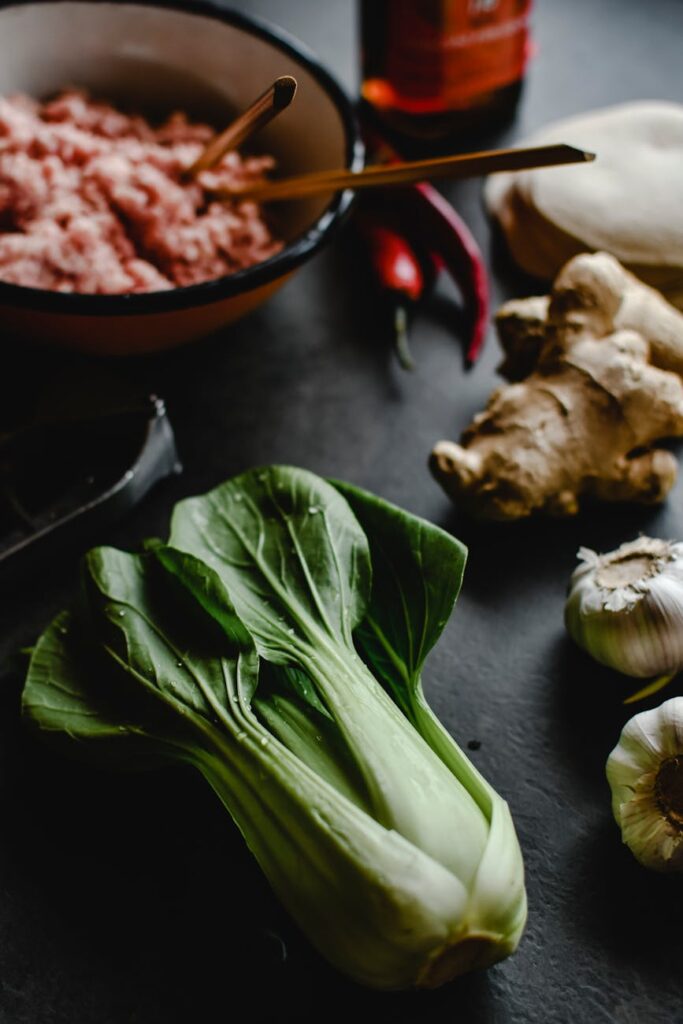
Bok choy (Brassica rapa subsp. chinensis) belongs to the brassica family, which includes cruciferous vegetables like broccoli, kale, and Brussels sprouts. Characterized by its smooth, dark green leaves and thick white stalks, bok choy can be categorized into two main varieties: the larger, mature type known as “full-sized bok choy” and the smaller, baby variety known as “baby bok choy.” The former is typically used in stir-fries and soups, while the latter is often served raw in salads or lightly cooked.
History and Origins
The history of bok choy dates back over 5,000 years, with roots in China, where it has been cultivated since the Han Dynasty. The name “bok choy” is derived from the Cantonese term “baak choi,” meaning “white vegetable.” Initially, it was used not only as a food source but also for medicinal purposes. Over centuries, bok choy spread to other parts of Asia and eventually to the Western world, becoming a staple in various culinary practices. Today, it is grown in many regions, including the United States, where it thrives in cooler climates.
Production and Processing
Bok choy thrives in well-drained, fertile soil with plenty of sunlight. It is generally sown in early spring or late summer, depending on the climate. The plant typically reaches maturity in about 45 to 60 days. Harvesting is done by cutting the entire plant at the base or selectively picking outer leaves for continued growth.
Following harvest, bok choy undergoes a meticulous processing phase. This includes washing, trimming, and sometimes blanching, which helps to preserve its vibrant color and texture. Bok choy is often packaged in bunches for retail sale, with careful attention to maintaining its freshness.
Quality and Grading
When it comes to quality, there are several factors to consider:
- Appearance: High-quality bok choy should have dark green leaves that are crisp and free from blemishes, wilting, or yellowing. The stalks should be firm and white.
- Size: While bok choy comes in various sizes, uniformity in size is often preferred for culinary applications.
- Freshness: Fresh bok choy will feel heavy for its size and have a slightly crunchy texture.
- Stir-Frying: One of the most popular methods of cooking bok choy, it retains its crunchiness while absorbing flavors from sauces and spices.
- Soups: Bok choy adds a fresh element to broths and soups, complementing other ingredients like tofu, noodles, and meats.
- Salads: Baby bok choy can be used raw in salads, providing a crisp texture and mild flavor that pairs well with dressings.
- Steaming or Sautéing: Lightly cooked bok choy retains its nutrients while softening its texture, making it a great side dish.
- Pickling: Bok choy can also be pickled, adding a tangy note to various dishes.
- Refrigeration: Store bok choy in the crisper drawer of your refrigerator, ideally in a perforated plastic bag to allow for airflow while retaining moisture.
- Shelf Life: Fresh bok choy can last for about 3 to 7 days when stored properly. However, it is best consumed sooner for optimal flavor and texture.
- Freezing: While not commonly recommended due to potential texture changes, if you wish to freeze bok choy, blanch it first and then store it in airtight containers or freezer bags for up to 6 months.
Grading systems can vary by region, but generally, bok choy is classified into grades based on these quality parameters. Higher-grade bok choy will typically command a premium price in the market.
Buying Considerations
When purchasing bok choy, several factors should be kept in mind:
1. Seasonality: Bok choy is typically in season from late fall to early spring. Purchasing during this time ensures better flavor and freshness.
2. Source: Consider buying from local farmers’ markets or organic producers, as this may enhance quality and sustainability.
3. Storage: Look for bok choy that has been stored properly; it should feel crisp and not have any signs of moisture buildup in the packaging.
4. Organic vs. Conventional: Organic bok choy may be free from pesticides and other chemicals, making it a preferred choice for health-conscious consumers.
5. Variety: Choose between full-sized or baby bok choy depending on your intended use. Baby bok choy is often sweeter and more tender, while mature bok choy has a stronger flavor.
Uses and Applications
Bok choy is celebrated for its culinary versatility. Here are some common uses:
Storage and Shelf Life
Proper storage is crucial for maintaining the freshness of bok choy. Here are some guidelines:
Common Misconceptions
Despite its popularity, there are several misconceptions surrounding bok choy:
1. All Bok Choy Is Bitter: While mature bok choy can have a stronger flavor, baby bok choy is often sweet and tender, making it suitable for a variety of dishes.
2. Bok Choy Is Just a Salad Green: Many people see bok choy solely as a salad ingredient, but it is incredibly versatile and can be used in numerous cooking methods.
3. Bok Choy Is Only for Asian Cuisine: While it is a staple in many Asian diets, bok choy’s mild flavor allows it to fit into a wide range of culinary contexts.
4. Bok Choy Can’t Be Eaten Raw: While it’s often cooked, many enjoy bok choy raw in salads or as a crunchy addition to wraps and sandwiches.
Frequently Asked Questions
1. What is the difference between bok choy and Napa cabbage?
Bok choy has a firmer texture and a more pronounced flavor compared to Napa cabbage, which is softer and sweeter. Napa cabbage is often used for kimchi and salads, while bok choy is preferred for stir-fries and soups.
2. Can I eat the stalks of bok choy?
Yes, both the leaves and stalks of bok choy are edible. The stalks are crunchy and can add texture to various dishes, while the leaves are tender and flavorful.
3. Is bok choy gluten-free?
Yes, bok choy is naturally gluten-free, making it a suitable option for those with gluten sensitivities or celiac disease.
4. How can I tell if bok choy is fresh?
Fresh bok choy should have vibrant green leaves that feel crisp to the touch. Avoid any bunches that appear wilted, yellowing, or slimy.
5. Can bok choy be grown at home?
Yes, bok choy can be grown in home gardens or containers. It prefers cool weather and can be sown directly into the soil, making it a great option for home gardeners.
6. What is the best way to cook bok choy?
Bok choy can be cooked in various ways, including stir-frying, steaming, and boiling. The best method often depends on the specific dish you are preparing, but quick cooking methods help retain its texture and nutrients.
Conclusion
Bok choy stands out as a versatile and nutritious ingredient in the culinary world. Its rich history, ease of cultivation, and adaptability in the kitchen make it a valuable addition to a wide range of dishes. Whether you are incorporating it into traditional Asian recipes or experimenting with new cooking techniques, understanding bok choy’s qualities will enhance your appreciation for this remarkable vegetable. With proper buying and storage methods, bok choy can be enjoyed fresh and flavorful in your meals.