
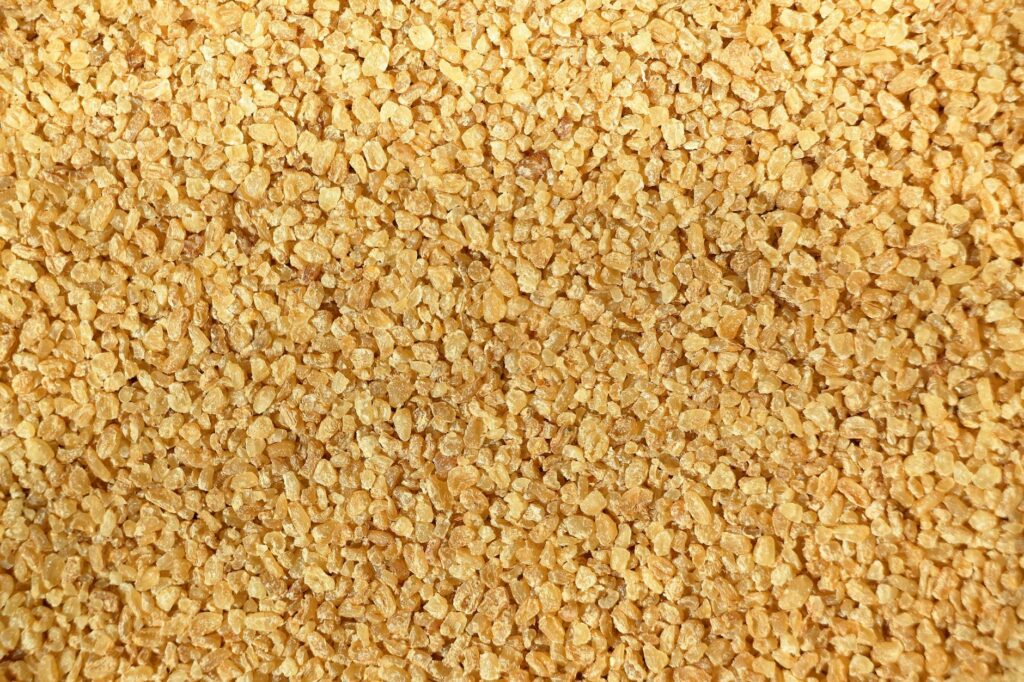
Everything You Need to Know About Bulgur
Introduction
Bulgur is a nutritious, versatile grain that has been a staple in Middle Eastern and Mediterranean cuisines for centuries. Made from cracked whole wheat, it is prized not only for its flavor and texture but also for its ease of preparation and numerous health benefits. This article delves into every aspect of bulgur, offering a comprehensive guide for culinary enthusiasts, nutritionists, and anyone interested in exploring this remarkable ingredient.
What Is Bulgur?
Bulgur is a whole grain derived from cracked wheat, specifically from durum wheat, which is known for its high protein content and firm texture. The wheat is parboiled, dried, and then cracked into various sizes, which can range from fine to coarse. This processing method gives bulgur a distinctive nutty flavor and a chewy texture, making it a popular choice in salads, side dishes, and more.
Bulgur is often confused with bulgur wheat, but the term “bulgur” refers specifically to the prepared product, while “bulgur wheat” indicates the raw grain before processing. It is important to note that bulgur is distinct from other forms of cracked wheat, such as bulgur fine and bulgur coarse, which refer to the size of the grain and its intended culinary applications.
History and Origins
The origins of bulgur can be traced back thousands of years, with archaeological evidence suggesting its use in ancient Mesopotamia. It is believed to have been a staple food of the Sumerians, Babylonians, and other early civilizations in the region. The cultivation of wheat in the Fertile Crescent laid the groundwork for bulgur’s development, as ancient peoples sought efficient means of storing and preparing grains.
As trade routes expanded, bulgur spread throughout the Mediterranean and the Middle East, becoming integral to various culinary traditions. Today, it is a common ingredient in dishes like tabbouleh, kibbeh, and pilafs, reflecting its enduring popularity and cultural significance.
Production and Processing
The production of bulgur begins with high-quality durum wheat. The wheat grains are first cleaned to remove impurities and then soaked in water. After soaking, the wheat is partially cooked—an essential step that not only enhances flavor but also reduces cooking time. Once parboiled, the wheat is dried and then cracked into various sizes, which categorize it into fine, medium, and coarse bulgur.
The processing of bulgur is what distinguishes it from other whole grains. The parboiling step helps preserve nutrients while making the grain easier to digest and quicker to prepare. This makes bulgur an appealing choice for those seeking a healthy yet convenient staple.
Quality and Grading
When purchasing bulgur, it’s essential to consider quality indicators. High-quality bulgur should have a consistent color, free from any discoloration or off-putting odors. The grains should be firm and intact without excessive dust or debris.
Bulgur is typically categorized based on its grain size, with fine bulgur being suitable for salads and dips, while coarser varieties are ideal for pilafs and stews. Some brands may provide grading based on specific quality control measures, such as moisture content and the absence of contaminants.
When selecting bulgur, look for brands that prioritize sustainability and ethical sourcing practices, as this can influence both quality and flavor.
Buying Considerations
Bulgur is widely available in grocery stores, health food shops, and online retailers. When purchasing bulgur, several factors should be taken into account:
1. Type: Choose the appropriate grain size based on your intended use—fine for salads and dips, coarse for heartier dishes.
2. Packaging: Look for airtight packaging to ensure freshness and prevent moisture absorption. Bulk bins can also be a good option if you are buying in larger quantities.
3. Origin: Some consumers prefer bulgur sourced from specific regions, such as Turkey or Lebanon, known for their traditional production methods.
4. Organic Certification: If you are concerned about pesticides and synthetic fertilizers, opt for certified organic bulgur.
5. Shelf Life: Check expiration dates to ensure freshness, as bulgur can lose its flavor and nutritional value over time.
Uses and Applications
Bulgur’s versatility makes it suitable for a wide range of culinary applications. Its nutty flavor and chewy texture lend themselves well to both warm and cold dishes.
1. Salads: Bulgur is a key ingredient in tabbouleh, a refreshing salad made with parsley, tomatoes, and a tangy dressing.
2. Side Dishes: It can be used as a base for pilafs or served alongside stews and grilled meats, enhancing the overall flavor profile of the meal.
3. Stuffed Dishes: Coarse bulgur is often used in stuffing for vegetables like peppers and eggplants, providing a hearty and nutritious filling.
4. Baked Goods: Some recipes incorporate bulgur into breads and muffins for added texture and nutritional benefits.
5. Soups and Stews: Bulgur can thicken soups and stews, adding body and a rich, hearty texture.
Its quick cooking time—typically requiring only a soak in hot water—makes bulgur an ideal choice for busy cooks looking to incorporate whole grains into their meals.
Storage and Shelf Life
To maximize the freshness and longevity of bulgur, proper storage is crucial. Here are some key recommendations:
1. Container: Store bulgur in an airtight container to prevent moisture absorption and protect it from pests. Glass or plastic containers with tight-fitting lids are ideal.
2. Location: Keep bulgur in a cool, dark, and dry place, such as a pantry or cupboard, away from direct sunlight and heat sources.
3. Shelf Life: Uncooked bulgur typically has a shelf life of about 1 to 2 years when stored properly. Cooked bulgur should be refrigerated and consumed within 3 to 5 days.
4. Freezing: For long-term storage, uncooked bulgur can be frozen. This will not only extend its shelf life but also prevent any potential pests from infesting the grain.
Common Misconceptions
Despite its popularity, there are several misconceptions surrounding bulgur that warrant clarification:
1. Bulgur is Whole Wheat: While bulgur is made from whole wheat, it is not the same as whole wheat flour. The processing of bulgur involves cracking and parboiling, which differentiates it from whole grains in their unprocessed state.
2. Bulgur is Gluten-Free: Bulgur contains gluten, as it is derived from wheat. Individuals with celiac disease or gluten sensitivities should avoid bulgur and opt for gluten-free alternatives.
3. Bulgur Requires Extensive Cooking: Many people believe that bulgur is time-consuming to prepare, but it is quite the opposite. Fine bulgur can be ready in as little as 10 to 15 minutes with minimal preparation.
4. Bulgur Lacks Nutritional Value: On the contrary, bulgur is rich in essential nutrients, including fiber, protein, and various vitamins and minerals, making it a wholesome addition to a balanced diet.
5. All Bulgur is the Same: The flavor and texture can vary significantly depending on the type of wheat used and the processing methods. Understanding these differences can enhance culinary applications.
Frequently Asked Questions (FAQs)
1. Is bulgur healthy?
Bulgur is considered a healthy grain option due to its high fiber content, low glycemic index, and nutrient density, making it an excellent choice for balanced diets.
2. How do I cook bulgur?
Cooking bulgur is straightforward. For fine bulgur, simply soak it in hot water for about 10 to 15 minutes. Coarse bulgur may require boiling for about 12 to 15 minutes in water until tender.
3. Can I use bulgur in place of rice?
Yes, bulgur can be a suitable substitute for rice in many dishes, offering a distinct flavor and texture while also providing additional nutritional benefits.
4. What is the difference between bulgur and quinoa?
While both are nutritious grains, bulgur is made from cracked wheat and contains gluten, whereas quinoa is a seed and is gluten-free. Their flavors and textures also differ, with bulgur having a nuttier taste.
5. Can bulgur be eaten raw?
Fine bulgur can be eaten raw after soaking, making it a popular choice for salads. Coarse bulgur, however, should be cooked to ensure palatability.
6. How do I incorporate bulgur into my diet?
Bulgur can be added to salads, soups, or served as a side dish. Its versatility allows it to be included in a variety of recipes, making it an easy addition to any meal.
Conclusion
Bulgur is more than just a grain; it is a culinary staple with a rich history and a multitude of applications. Its ease of preparation, nutritional benefits, and adaptability make it an excellent ingredient for both home cooks and professional chefs. By understanding bulgur’s origins, production, and uses, you can fully appreciate this remarkable ingredient and incorporate it into your culinary repertoire. Whether enjoyed in a traditional dish or a modern creation, bulgur offers a delicious and healthy option for any meal.