
Everything You Need to Know About Cauliflower
Introduction
Cauliflower has emerged as a culinary star in recent years, celebrated not only for its versatility but also for its nutritional value. This cruciferous vegetable has captivated chefs and home cooks alike, becoming a staple in various diets—especially those focused on health and wellness. Known for its unique texture and ability to absorb flavors, cauliflower is an essential ingredient in a range of cuisines. This comprehensive guide aims to provide everything you need to know about cauliflower, from its history and production to its uses and storage.
What Is Cauliflower?
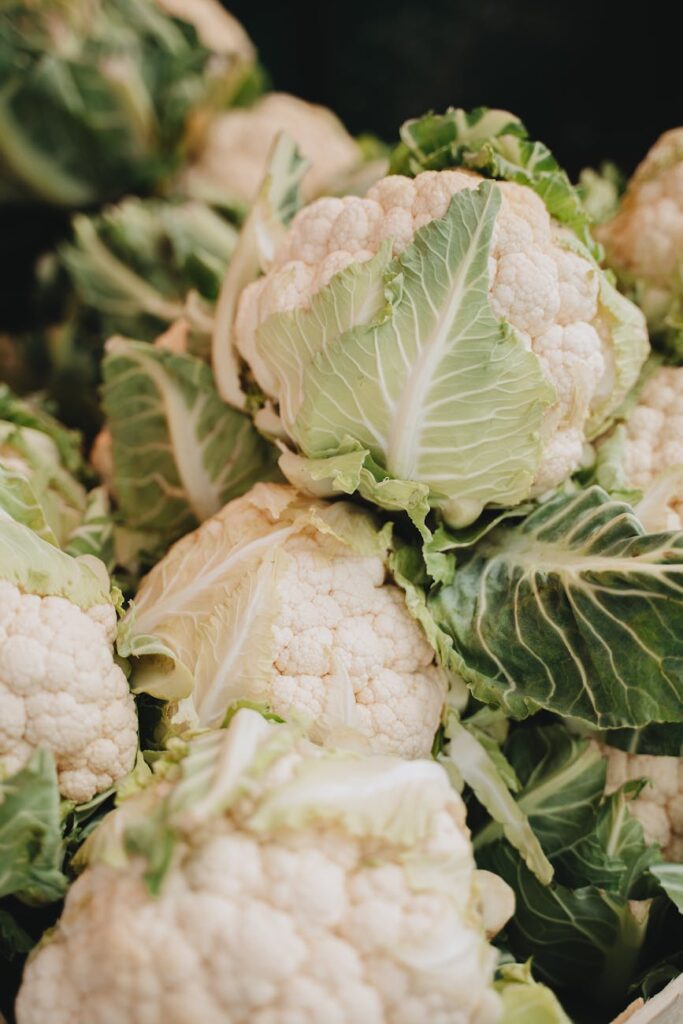
Cauliflower (Brassica oleracea var. botrytis) is a member of the Brassicaceae family, which includes other vegetables like broccoli, cabbage, and Brussels sprouts. Characterized by its white, compact florets and green leaves, cauliflower is typically consumed in its raw or cooked form. It is available in several varieties, including white, purple, green, and orange, each offering distinct flavors and nutritional profiles.
Rich in vitamins C and K, as well as fiber, cauliflower is often lauded for its health benefits, making it a popular choice in both traditional and modern diets. Its mild flavor makes it an excellent canvas for various culinary applications, ranging from stir-fries to purees.
History and Origins
The history of cauliflower dates back thousands of years, with origins believed to be in the Mediterranean region. Historical records suggest that cauliflower was cultivated in Cyprus around 600 BC, later spreading to other parts of Europe and Asia. By the 16th century, it had gained popularity in France and Italy, becoming a staple in many European dishes.
The vegetable’s journey continued through the ages, evolving in response to agricultural practices and culinary trends. In the 18th century, it was introduced to North America, where it gained traction in kitchens across the continent. Today, cauliflower is cultivated globally, with significant production in countries like China, India, and the United States.
Production and Processing
Cauliflower thrives in temperate climates, requiring rich, well-drained soil and ample sunlight. The growing season typically ranges from 70 to 120 days, depending on the variety and environmental conditions. Farmers often use specific cultivation techniques, such as crop rotation and soil amendment, to enhance yield and maintain soil health.
Once harvested, cauliflower undergoes various processing steps to ensure its quality and freshness. This includes washing, trimming, and packaging. The vegetable is often sold fresh, but it can also be found frozen or processed into products like cauliflower rice and pizza crusts. The processing methods used can significantly affect the vegetable’s texture and flavor, making it crucial for producers to maintain high standards.
Quality and Grading
Quality and grading are vital aspects of cauliflower production. Fresh cauliflower should have tightly packed florets, vibrant color, and firm stalks. Discoloration, wilting, or an off smell are indicators of degradation. The United States Department of Agriculture (USDA) has established grading standards for cauliflower, categorizing it into three grades: U.S. Fancy, U.S. No. 1, and U.S. No. 2. Higher-grade cauliflower is more likely to meet consumer expectations regarding appearance and taste.
Factors such as size, color, and absence of defects play a significant role in determining quality. Additionally, organic certifications may impact market value, as consumers increasingly seek sustainably grown produce.
Buying Considerations
When purchasing cauliflower, consumers should pay attention to several factors to ensure they select the best product. Here are some key considerations:
1. Appearance: Look for firm, compact heads with tightly clustered florets. The leaves should be green and crisp, indicating freshness.
2. Color: While white is the most common variety, check for uniform coloring without brown spots or discoloration. Purple, green, and orange varieties can also be visually striking and nutritious.
3. Size: Choose heads that are heavy for their size, as this often indicates good moisture content and freshness.
4. Seasonality: Cauliflower is generally harvested in the cooler months, making late fall and winter the best times to buy fresh heads.
5. Organic vs. Conventional: If purchasing organic cauliflower, look for proper certification labels. Organic produce often has a different taste and is grown without synthetic pesticides or fertilizers.
Uses and Applications
The culinary versatility of cauliflower is one of its most appealing attributes. It can be prepared in a myriad of ways, making it suitable for various cuisines and dietary preferences:
- Raw: Cauliflower can be enjoyed raw, served in salads or as part of vegetable platters. Its crunchy texture adds a refreshing element to dishes.
- Cooked: Steaming, roasting, grilling, and sautéing are popular cooking methods. Cooking can enhance its flavor and make it more palatable for some.
- Substitutes: Cauliflower has become a popular substitute for grains and starches. It can be transformed into cauliflower rice, mashed cauliflower, or even pizza crust, appealing to those following low-carb or gluten-free diets.
- Soups and Purées: The creamy texture of cooked cauliflower makes it an excellent base for soups and purées, elevating both flavor and nutritional value.
- Fermentation: Cauliflower can also be pickled or fermented, adding a tangy flavor to dishes while enhancing its probiotic properties.
- Refrigeration: Store fresh cauliflower in the vegetable crisper drawer of your refrigerator. Ideally, it should be kept in a perforated plastic bag to allow for ventilation while retaining moisture.
- Shelf Life: Fresh cauliflower can last for about 4 to 7 days in the refrigerator. However, if it shows signs of wilting or browning, it should be used promptly.
- Freezing: For longer storage, cauliflower can be blanched and frozen. This process helps preserve its color, flavor, and nutritional content. Frozen cauliflower can last for several months in the freezer.
- Avoiding Ethylene: Cauliflower is sensitive to ethylene gas, which is produced by certain fruits. Keep it away from ethylene-producing fruits like apples and bananas to extend its shelf life.
- Color Equals Nutritional Value: While different varieties of cauliflower (such as purple and orange) may contain varying levels of antioxidants and vitamins, all forms of cauliflower offer significant nutritional benefits. The color does not inherently indicate superiority.
- Only for Low-Carb Diets: While cauliflower has gained fame as a low-carb substitute, it is a nutritious vegetable suitable for all diets. It can be included in a balanced diet regardless of carbohydrate intake.
- Tastes Like Broccoli: Although cauliflower and broccoli share a family and some flavor profiles, their tastes and textures are distinct. Cauliflower has a milder, almost sweet flavor that can stand on its own.
Storage and Shelf Life
Proper storage is essential for maintaining the freshness and quality of cauliflower. Here are some guidelines:
Common Misconceptions
Despite its popularity, several misconceptions about cauliflower persist:
Frequently Asked Questions
1. Is cauliflower a vegetable or a fruit?
Cauliflower is classified as a vegetable, specifically a flowering vegetable in the Brassica family.
2. Can I eat cauliflower leaves?
Yes, cauliflower leaves are edible and can be cooked similarly to other leafy greens.
3. What is the best way to prepare cauliflower to retain its nutrients?
Steaming or microwaving cauliflower is generally considered the best method to retain its nutrients, as these methods use less water and shorter cooking times.
4. Does cauliflower have any health benefits?
Cauliflower is rich in vitamins C and K, fiber, and antioxidants, promoting overall health. It is also low in calories, making it a popular choice in many diets.
5. Can you eat cauliflower raw?
Yes, cauliflower can be enjoyed raw, providing a crunchy texture and a fresh taste in salads or as a snack.
6. How can I tell if cauliflower is bad?
Signs of spoilage include brown spots, a foul odor, and wilting leaves. If the cauliflower appears discolored or mushy, it is best to discard it.
In conclusion, cauliflower is a versatile, nutritious ingredient that can enhance a multitude of dishes while offering significant health benefits. By understanding its history, production, and various applications, consumers can better appreciate this remarkable vegetable and incorporate it into their diets creatively.