
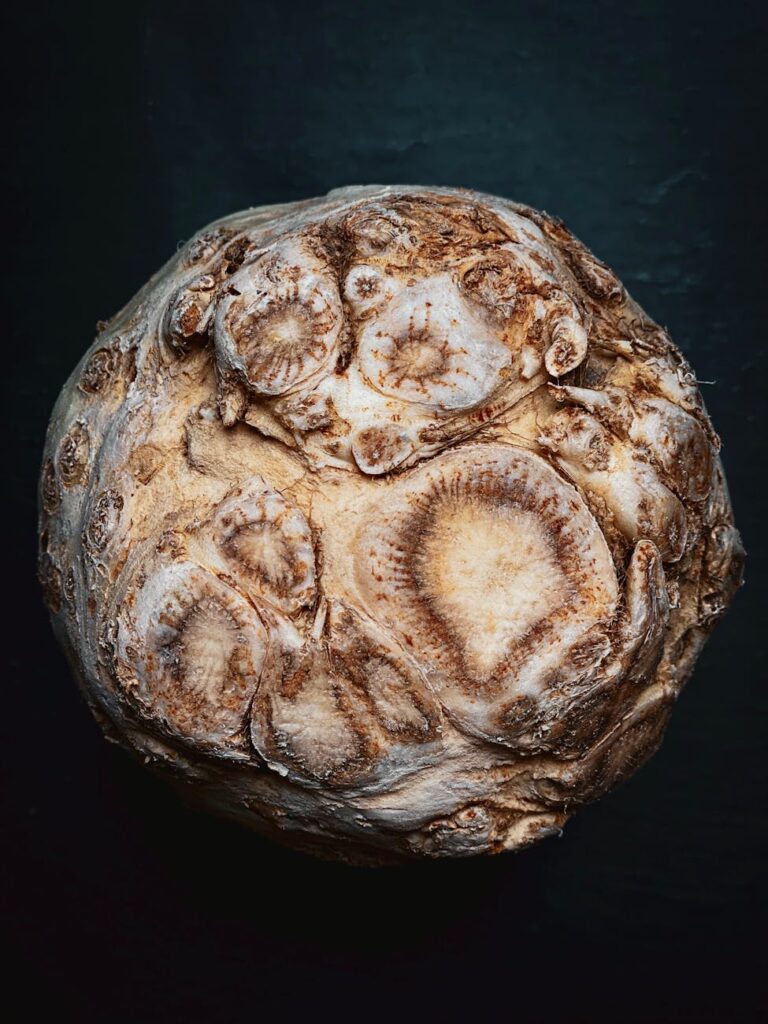
Everything You Need to Know About Celeriac
Introduction
Celeriac, also known as celery root or knob celery, is a versatile root vegetable that has gained popularity in modern cuisine for its unique flavor and culinary potential. With its earthy taste and crisp texture, celeriac serves as an excellent ingredient in a variety of dishes, ranging from soups to salads. This article delves into the multifaceted world of celeriac, exploring its history, production, uses, and more, providing a comprehensive guide for culinary enthusiasts and food professionals alike.
What Is Celeriac?
Celeriac (Apium graveolens var. rapaceum) is a variety of celery cultivated primarily for its edible root rather than its stalks. The vegetable is characterized by its knobby, bulbous appearance and is often covered with a rough, brownish skin. Beneath the surface lies creamy white flesh, which is firm and crisp. While its flavor is reminiscent of celery, it possesses a more pronounced earthiness, making it a unique ingredient in various culinary applications.
History and Origins
Celeriac has a rich history dating back to ancient times. It is believed to have originated in the Mediterranean region, where it was cultivated for both its leaves and roots. Historical texts suggest that celeriac was prized not just as food but also for its medicinal properties. The vegetable was later introduced to Northern Europe, where it became a staple in traditional cuisine, particularly in countries like France and Italy.
By the 19th century, celeriac gained prominence in European kitchens due to its adaptability and ability to thrive in colder climates. Over time, it has found its way into various culinary traditions around the globe, celebrated for its distinctive flavor and versatility.
Production and Processing
Celeriac is primarily grown in temperate regions, thriving in well-drained, loamy soils with ample moisture. It is typically planted in spring and harvested in late autumn, as the root requires a long growing season to develop fully. Farmers often use techniques such as crop rotation to maintain soil health and prevent pests.
Once harvested, celeriac undergoes a careful processing stage to ensure quality. The roots are washed, trimmed, and sorted, often being graded based on size and appearance. Because celeriac is sensitive to bruising, careful handling during processing is crucial to maintain its marketability.
Quality and Grading
The quality of celeriac is determined by factors such as size, shape, and skin condition. High-quality celeriac should be heavy for its size, with a firm texture and minimal blemishes. The skin should be relatively smooth, and the root should not exhibit signs of decay or excessive sprouting.
Grading systems may vary by region, but generally, celeriac is categorized into different sizes (small, medium, large) or rated based on visual quality. Consumers and chefs alike often seek out the best quality celeriac to ensure optimal flavor and texture in their dishes.
Buying Considerations
When purchasing celeriac, there are several factors to consider:
1. Appearance: Look for firm, heavy roots with smooth skin. Avoid any celeriac that shows signs of soft spots, mold, or excessive sprouting.
2. Size: Depending on your intended use, choose sizes that best fit your needs. Larger roots may have a more intense flavor, while smaller ones can offer a tender texture.
3. Seasonality: Celeriac is typically in season from late fall to early spring. Buying during this time can ensure the freshest produce.
4. Organic vs. Conventional: Consider whether you prefer organic celeriac, which is grown without synthetic pesticides or fertilizers, or conventional options, which may be more readily available.
5. Local Sources: Whenever possible, seek out locally grown celeriac. Seasonal produce often boasts superior flavor and freshness.
Uses and Applications
The culinary potential of celeriac is vast. Its earthy flavor profile allows it to complement a variety of dishes:
1. Soups and Purees: Celeriac is often used in soups, lending a creamy texture when puréed. It can be combined with ingredients like potatoes or leeks for a heartwarming dish.
2. Salads: Raw celeriac can be grated or julienned, adding a crunchy element to salads. It pairs well with citrus, nuts, and vinaigrettes.
3. Roasting and Grilling: When roasted, celeriac develops a sweet, caramelized flavor. It can be cubed or sliced and served as a side dish or incorporated into grain bowls.
4. Substitutions: Celeriac can serve as a lower-carb substitute for potatoes in various dishes, such as gratins or mash.
5. Garnishes: Thinly sliced celeriac can be pickled or fried to create unique garnishes, adding both flavor and visual appeal to plates.
Storage and Shelf Life
Proper storage is essential for maintaining the quality of celeriac. When stored in a cool, dark place, celeriac can last for several weeks. Ideally, it should be kept in a perforated plastic bag in the refrigerator’s crisper drawer to retain moisture while allowing for air circulation.
To prepare celeriac for storage, remove any green tops and wash the roots but avoid peeling them until you are ready to use them. This helps preserve flavor and texture. If celeriac becomes soft or begins to sprout, it is best to discard it.
Common Misconceptions
Despite its growing popularity, celeriac is often misunderstood. Here are a few common misconceptions:
1. Celeriac is Just Celery: While they belong to the same family, celeriac is a distinct variety cultivated for its root, whereas traditional celery is grown for its stalks.
2.