
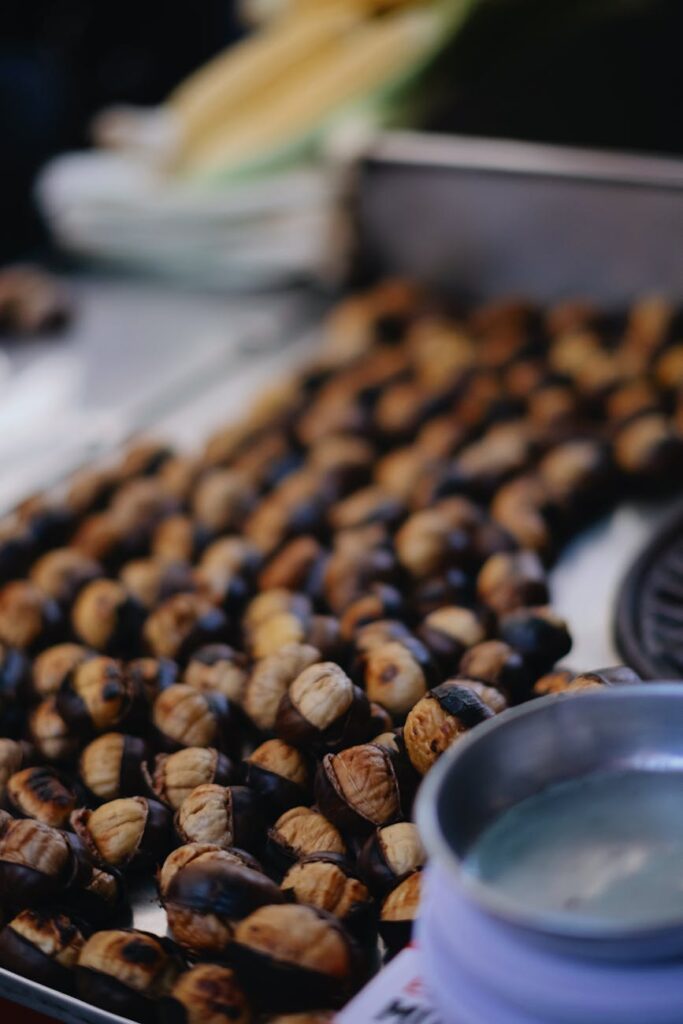
Everything You Need to Know About Chestnut Puree
Introduction
Chestnut puree is a versatile ingredient that has captured the attention of chefs and home cooks alike. With its smooth texture and subtly sweet flavor, it offers a rich addition to both savory and sweet dishes. This article delves into the intricacies of chestnut puree, exploring its origins, production processes, quality grading, and various applications, while addressing common misconceptions and frequently asked questions.
What Is Chestnut Puree?
Chestnut puree is a smooth, creamy paste made from cooked chestnuts, typically European or Chinese varieties. It is created by cooking the nuts, removing their skins, and then pureeing them until a uniform, velvety consistency is achieved. The resulting product is naturally sweet with a nutty flavor profile, making it a favorite in many culinary applications, from desserts to savory dishes.
History and Origins
The chestnut tree has a storied history, with origins tracing back to ancient times. Native to the Mediterranean region, chestnuts were a staple food source for various cultures, including the Romans and Greeks. Over the centuries, chestnuts migrated across Europe and eventually found their way to Asia and the Americas.
The practice of making chestnut puree became prominent in France during the 19th century, where it was often used in desserts, particularly in the famous Mont Blanc dessert. Today, chestnut puree is celebrated in various cuisines, particularly in French and Italian cooking, where it continues to play a significant role in both traditional and modern recipes.
Production and Processing
The production of chestnut puree involves several key steps:
1. Harvesting: Chestnuts are typically harvested in the fall. They should be firm and free from blemishes or mold.
2. Cooking: The chestnuts are usually roasted or boiled to soften them. This step also helps to remove the hard outer shell and the inner skin.
3. Peeling: Once cooked, the chestnuts are peeled while still warm, as this makes the process easier. The removal of both the outer shell and the inner skin is crucial for achieving a smooth puree.
4. Pureeing: The peeled chestnuts are then pureed using a food processor or blender. To achieve a silky texture, water, syrup, or cream can be added depending on the intended use.
5. Packaging: The puree is then packaged for retail distribution. It can be found in jars, cans, or vacuum-sealed pouches.
Quality and Grading
When it comes to chestnut puree, quality is paramount. Several factors influence the quality and grading of chestnut puree:
- Raw Material: The quality of the chestnuts used directly impacts the flavor and texture of the puree. Fresh, high-quality chestnuts yield superior puree.
- Processing Techniques: How the chestnuts are cooked and processed plays a significant role. Gentle cooking methods preserve flavor and nutrients.
- Additives: Premium chestnut purees are often free from additives and preservatives. Check labels for purity levels; the best products typically contain only chestnuts and possibly a small amount of sugar.
- Ingredients: Always read the ingredient list. Authentic chestnut puree should primarily contain chestnuts, with minimal added ingredients.
- Packaging: Opt for products in vacuum-sealed or glass packaging, as these methods help preserve freshness and flavor.
- Origin: Look for purees sourced from regions known for high-quality chestnuts, such as Italy or France.
- Storage Conditions: Check for recommendations on storage, as improper storage can affect the quality of the puree.
- Brand Reputation: Choose reputable brands that specialize in nut products to ensure you are getting a quality product.
- Baking: Its natural sweetness makes it an excellent substitute for sugar in cakes, muffins, and pastries.
- Savory Dishes: Chestnut puree can enrich soups, sauces, and risottos, adding depth and a creamy texture.
- Desserts: Often featured in desserts, it can be used in mousses, tarts, and custards, providing a unique flavor and luxurious mouthfeel.
- Spreads and Fillings: Chestnut puree can be used as a delightful filling for pastries or as a spread on bread and crackers.
- Savory Pairings: It pairs well with ingredients like mushrooms, game meats, and root vegetables, enhancing the overall flavor profile of the dish.
- Unopened: When stored in a cool, dry place, unopened chestnut puree can last for up to two years.
- Opened: Once opened, it should be refrigerated in an airtight container. Properly stored, it can last for about 5 to 7 days.
- Freezing: For longer storage, chestnut puree can be frozen. Portion it into airtight containers or freezer bags, where it can last for several months.
- Sweetness: Some people mistakenly believe that all chestnut purees are overly sweet. In reality, the sweetness can vary based on the brand and the processing method.
- Allergenicity: While chestnuts are tree nuts, they are less allergenic than many other nuts. However, individuals with nut allergies should exercise caution and consult with a healthcare
Grading systems vary by region, but high-quality purees are generally characterized by a smooth texture, a warm, nutty aroma, and a balanced sweetness.
Buying Considerations
When purchasing chestnut puree, consider the following aspects:
Uses and Applications
Chestnut puree is remarkably versatile and can be utilized in various culinary applications:
Storage and Shelf Life
To maintain its quality, chestnut puree should be stored properly:
Always check for signs of spoilage, such as off odors or mold, before use.
Common Misconceptions
Despite its popularity, several misconceptions surround chestnut puree: