
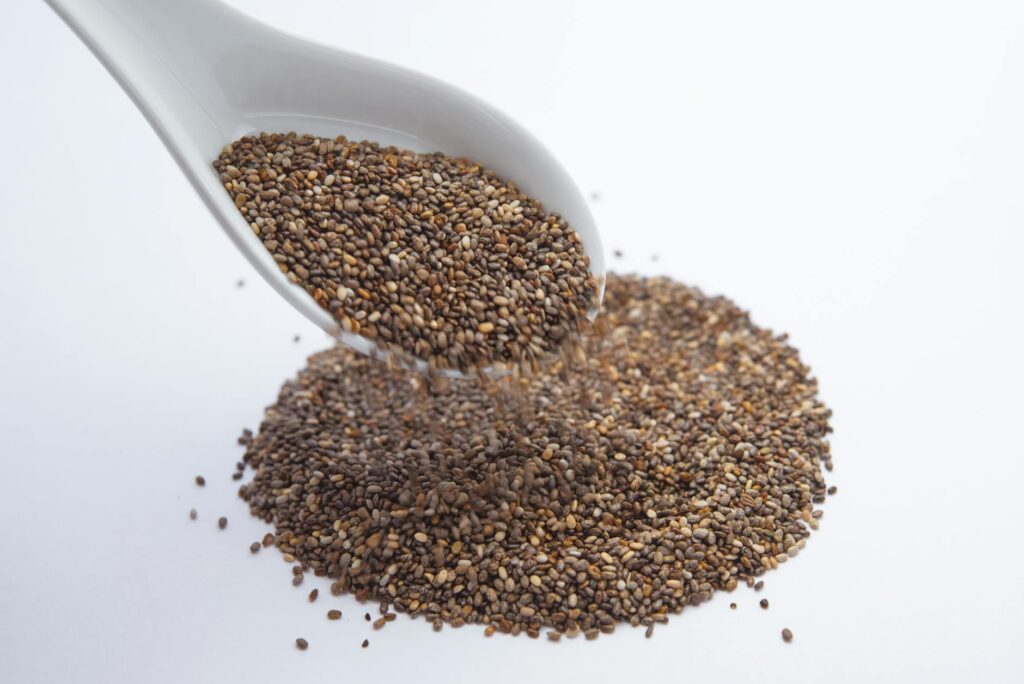
Everything You Need to Know About Chia Seeds
Introduction
Chia seeds have gained immense popularity over the last few decades, emerging as a staple in health-conscious diets worldwide. These tiny black or white seeds, derived from the Salvia hispanica plant, are packed with nutrients, making them a sought-after ingredient in various culinary applications. This article serves as a comprehensive guide to chia seeds, covering their history, production, uses, and more.
What Is Guides?
In the context of food ingredients, “Guides” refer to authoritative resources that provide detailed information on various aspects of a specific ingredient. These guides can encompass historical background, production methods, quality standards, and practical applications. The purpose of such guides is to educate consumers, chefs, and food industry professionals about the ingredient’s characteristics, benefits, and uses.
History and Origins
Chia seeds have a rich history dating back to ancient civilizations. The Salvia hispanica plant is native to Central and South America, where it was cultivated by the Aztecs and Mayans as a vital food source. The word “chia” is derived from the Mayan word for “strength,” reflecting the seeds’ significant nutritional value. These ancient cultures utilized chia seeds for their energy-boosting properties, often using them in ceremonial drinks and as offerings.
Chia seeds were a major staple in the diet of these civilizations, alongside maize and beans. However, with the arrival of European colonizers in the 16th century, the cultivation of chia seeds declined, overshadowed by crops like wheat and rice. It wasn’t until the late 20th century that chia seeds experienced a resurgence, largely due to their nutritional profile and the growing interest in superfoods.
Production and Processing
The cultivation of chia seeds primarily occurs in regions with warm climates, including Mexico, Argentina, and Australia. Chia plants thrive in well-drained soils and require minimal water, making them an environmentally sustainable crop. The seeds are harvested once the plant reaches maturity, which occurs around 3-4 months after planting.
After harvesting, the seeds undergo a cleaning and drying process to ensure optimal quality. This may involve mechanical methods to separate the seeds from the plant material. Once cleaned, chia seeds can be packaged for distribution or further processed into products like chia flour or oil.
The processing of chia seeds is generally straightforward, as they do not require extensive refinement. Their natural state retains essential nutrients, making them a valuable addition to various food products.
Quality and Grading
Chia seeds are graded based on several factors, including size, color, moisture content, and overall appearance. High-quality chia seeds are typically uniform in size and color, with a glossy sheen. They should be free from contaminants, such as mold or foreign materials.
In the market, chia seeds are available in two primary colors: black and white. Nutritionally, both varieties are similar, though some consumers may prefer one over the other for aesthetic reasons. When purchasing chia seeds, it is crucial to look for reputable brands that adhere to quality standards and provide clear labeling regarding the source and processing methods.
Buying Considerations
When buying chia seeds, several factors should be taken into account to ensure you are selecting a high-quality product:
1. Source: Look for seeds that are sourced from reputable producers. Organic certifications can be an indicator of quality and sustainability.
2. Packaging: Choose chia seeds that are packaged in airtight containers to protect them from moisture and light, which can reduce shelf life.
3. Expiration Date: Always check the expiration date to ensure freshness. Chia seeds have a long shelf life, but it’s still essential to consume them within the recommended timeframe.
4. Certifications: Seek products that have certifications regarding quality, such as Non-GMO or Organic labels.
5. Price: While price can be an indicator of quality, it’s essential to compare products based on their attributes rather than just cost.
6. Form: Chia seeds are available in whole, ground, and oil forms. Choose the form that best suits your intended use.
Uses and Applications
Chia seeds are extremely versatile and can be incorporated into a wide range of dishes. Their ability to absorb liquid and form a gel-like consistency makes them a popular ingredient in various culinary applications:
- Baking: Chia seeds can be added to bread, muffins, and pancakes for added texture and nutrition.
- Smoothies: They can be blended into smoothies for a nutrient boost and added thickness.
- Puddings: Chia seed pudding is a popular dish, where the seeds are soaked in liquid to create a creamy, textured dessert.
- Salads: Sprinkling chia seeds on salads adds a crunchy element and enhances nutritional value.
- Thickening Agent: Due to their gelling properties, chia seeds can be used to thicken soups and sauces.
- Energy Bars: Their high protein and fiber content makes chia seeds a popular ingredient in energy bars and snacks.
Storage and Shelf Life
Chia seeds have a long shelf life, typically ranging from 2 to 4 years when stored properly. To maintain their freshness, it is best to keep chia seeds in a cool, dark place, away from direct sunlight and moisture. An airtight container is ideal for storage.
While whole chia seeds can last for several years, ground chia seeds have a shorter shelf life due to their increased surface area, which makes them more susceptible to oxidation. Therefore, it is advisable to grind them in small batches as needed.
Common Misconceptions
Despite their popularity, several misconceptions about chia seeds persist:
1. Chia Seeds Are a Miracle Food: While chia seeds are nutritious, they are not a cure-all. They should be consumed as part of a balanced diet.
2. All Chia Seeds Are the Same: The quality of chia seeds can vary significantly based on sourcing and processing methods. Not all chia seeds offer the same nutritional benefits.
3. Chia Seeds Can Replace All Grains: While chia seeds are a great source of fiber and protein, they should not be seen as a direct substitute for grains in all recipes.
4. Chia Seeds Must Be Ground to Be Effective: Whole chia seeds can be consumed as is; they do not need to be ground to reap their benefits.
5. Chia Seeds Create a Gel Only When Soaked: While soaking chia seeds does create a gel, they can also absorb moisture in recipes without pre-soaking.
Frequently Asked Questions
1. What are the nutritional benefits of chia seeds?
Chia seeds are rich in omega-3 fatty acids, fiber, protein, and various micronutrients, including calcium, magnesium, and phosphorus. They are also high in antioxidants.
2. Can chia seeds be consumed raw?
Yes, chia seeds can be consumed raw. They can be added to various dishes without any cooking or preparation.
3. How do chia seeds compare to flaxseeds?
Both chia seeds and flaxseeds are nutrient-dense, but chia seeds have higher fiber content and do not require grinding to access their nutritional benefits. Flaxseeds, however, are higher in omega-3 fatty acids.
4. How much chia seed should I consume daily?
A common recommendation is 1 to 2 tablespoons per day, but individual needs may vary based on dietary requirements.
5. Can chia seeds help with weight loss?
Chia seeds can contribute to a feeling of fullness due to their high fiber content, which may aid in weight management when included in a balanced diet.
6. Are there any side effects of consuming chia seeds?
Chia seeds are generally safe for most people; however, excessive consumption may lead to digestive discomfort due to their high fiber content. It’s advisable to increase intake gradually and drink plenty of water.
Conclusion
Chia seeds are a remarkable ingredient, rich in nutrients and versatile in applications. Their historical significance, combined with their modern resurgence as a health food, makes them a valuable addition to any diet. Understanding their production, quality, and uses can enhance your culinary practices and nutritional choices. As with any ingredient, informed consumption is key to maximizing their benefits.