
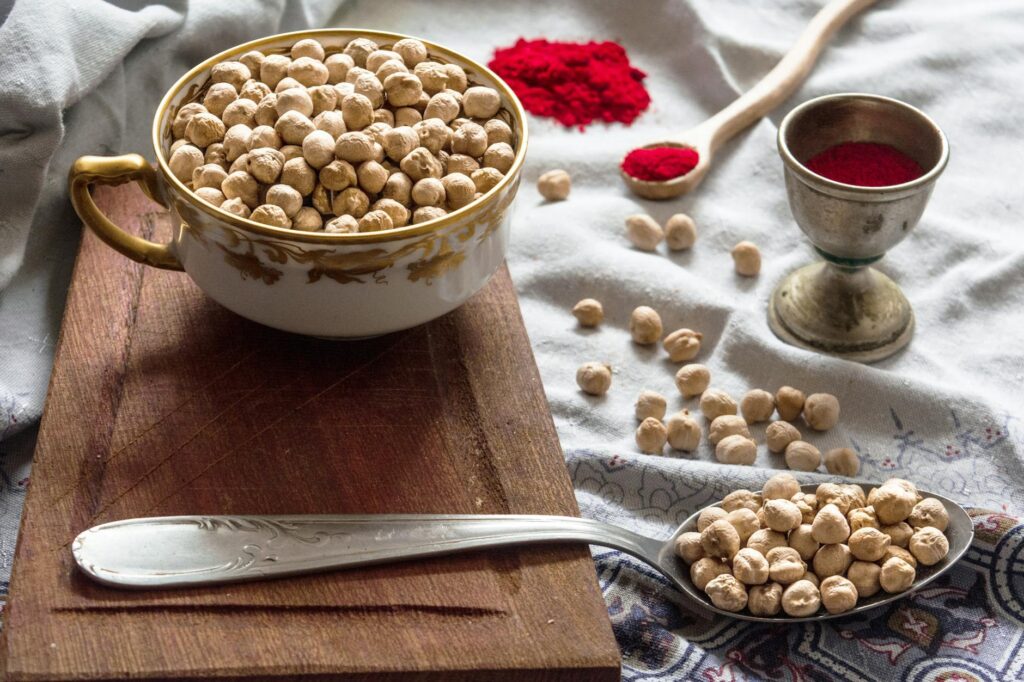
Everything You Need to Know About Chickpea Flour
Introduction
Chickpea flour, also known as gram flour or besan, is a versatile ingredient that has garnered significant attention in global cuisines. Made from ground dried chickpeas, it is a staple in many South Asian, Middle Eastern, and Mediterranean dishes. This article serves as a comprehensive guide to chickpea flour, exploring its history, production, applications, and more, making it an indispensable resource for both culinary enthusiasts and professionals.
What Is Chickpea Flour?
Chickpea flour is a fine powder derived from grinding dried chickpeas. It is rich in protein, fiber, and essential nutrients, making it a popular gluten-free alternative to wheat flour. The flour can vary in color from light beige to deep yellow, depending on whether it is made from desi or kabuli chickpeas. With its nutty flavor and unique texture, chickpea flour is utilized in various culinary applications, from batters and breads to pastries and sauces.
History and Origins
Chickpeas are believed to have originated in the Middle East, with archaeological evidence dating back more than 7,500 years. They were among the first cultivated legumes, eventually spreading to regions such as the Mediterranean, India, and North Africa. In these cultures, chickpeas became a dietary staple, not only for their nutritional value but also for their versatility.
Chickpea flour began to gain prominence in South Asian cuisines, particularly in India and Pakistan, where it is used to make traditional dishes such as pakoras and bhajis. Over time, as global cuisine evolved, chickpea flour found its way into various international recipes, including Italian socca and French panisse, highlighting its culinary versatility.
Production and Processing
The production of chickpea flour involves several key steps:
1. Selection of Chickpeas: The quality of chickpea flour starts with the selection of high-quality dried chickpeas. The two main varieties are desi (small, dark-skinned) and kabuli (larger, lighter-skinned), each imparting distinct flavors and textures.
2. Cleaning: The selected chickpeas are thoroughly cleaned to remove any foreign material, dust, or impurities.
3. Roasting (Optional): Some producers roast the chickpeas briefly to enhance their flavor and extend shelf life. This step is optional and varies by region and intended use.
4. Grinding: The cleaned (and optionally roasted) chickpeas are then finely ground using stone or steel mills, resulting in a fine powder.
5. Sifting: The flour is sifted to ensure uniformity in texture and to remove any larger particles.
6. Packaging: Finally, the chickpea flour is packaged in airtight containers to preserve its freshness and flavor.
Quality and Grading
Quality control is an essential aspect of chickpea flour production. Factors such as moisture content, color, and particle size are considered when grading chickpea flour. High-quality chickpea flour should have a uniform texture, a light to medium yellow color, and a pleasant nutty aroma.
Grades may be distinguished by their intended use; for example, flour intended for baking might be ground more finely than that used for making batters. Additionally, some producers offer organic options, which are increasingly popular among health-conscious consumers.
Buying Considerations
When purchasing chickpea flour, several factors should be taken into account:
1. Type: Decide between desi and kabuli chickpeas based on your culinary needs. Desi chickpea flour has a stronger flavor and is often used in traditional Indian dishes, while kabuli chickpea flour is milder and versatile.
2. Packaging: Opt for flour that is packaged in airtight containers to ensure freshness. Bulk purchases should be stored properly to avoid moisture absorption.
3. Organic vs. Conventional: Consider whether you prefer organic chickpea flour, which is produced without synthetic pesticides or fertilizers.
4. Brand Reputation: Choose products from reputable brands known for quality and consistency.
5. Storage Options: Be mindful of the storage conditions recommended by the manufacturer, as improper storage can lead to spoilage.
Uses and Applications
Chickpea flour’s versatility allows it to be used in an array of culinary applications:
1. Batters: It is commonly used to create batters for frying vegetables or meats, giving a crisp texture and unique flavor.
2. Baking: Chickpea flour can be combined with other flours to create gluten-free baked goods, such as breads, pancakes, and cookies.
3. Thickening Agent: Due to its high starch content, chickpea flour works well as a thickening agent in sauces, soups, and gravies.
4. Noodles and Pasta: In some cultures, chickpea flour is used to make gluten-free noodles and pasta, providing a nutritious alternative to traditional wheat-based options.
5. Savory and Sweet Dishes: From savory pancakes (besan chilla) to sweet desserts (like besan ladoo), chickpea flour is an essential ingredient in many recipes across various cuisines.
Storage and Shelf Life
Proper storage is crucial for maintaining the quality of chickpea flour. It should be kept in a cool, dry place, away from direct sunlight. Once opened, it is advisable to store chickpea flour in an airtight container to prevent moisture absorption and pest infestation.
Typically, chickpea flour has a shelf life of about six months to one year when stored correctly. However, it’s essential to check for any off odors or discoloration before use, as these may indicate spoilage.
Common Misconceptions
Chickpea flour is often surrounded by various misconceptions:
1. Gluten-Free: While chickpea flour is naturally gluten-free, it is essential to ensure it is produced in a gluten-free facility if you have celiac disease or