
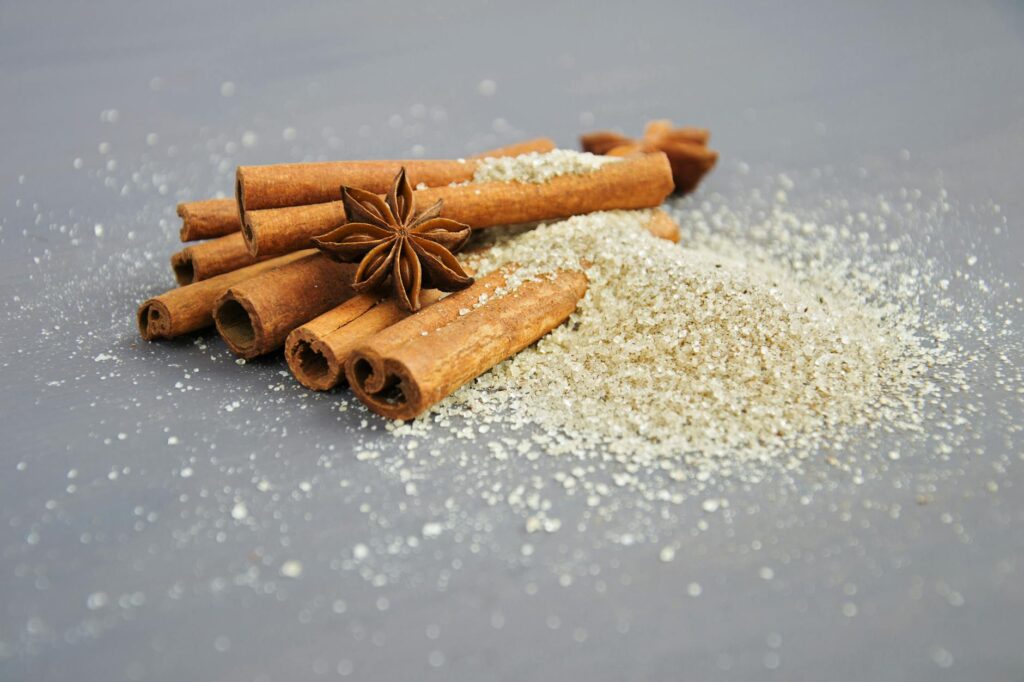
Everything You Need to Know About Coconut Sugar
Introduction
Coconut sugar, often heralded as a natural sweetener with a lower glycemic index compared to traditional sugars, has surged in popularity among health-conscious consumers and culinary enthusiasts alike. As a versatile ingredient, it finds application in numerous recipes, from baked goods to beverages. This article aims to provide a comprehensive overview of coconut sugar, including its origins, production processes, uses, and more, ensuring you have all the information necessary to make informed choices regarding this unique sweetener.
What Is Coconut Sugar?
Coconut sugar, also known as coconut palm sugar, is derived from the sap of the flower buds of the coconut palm tree (Cocos nucifera). Unlike refined sugars, which undergo extensive processing, coconut sugar retains some of the nutrients found in the sap. It is characterized by a caramel-like flavor and a color that ranges from light brown to dark brown, depending on the level of processing.
Key Characteristics
- Flavor Profile: Coconut sugar has a rich, caramel-like taste, making it an appealing alternative to conventional sugars.
- Nutritional Value: It contains trace amounts of vitamins and minerals, including potassium, magnesium, zinc, and iron, along with inulin, a type of dietary fiber that may help slow glucose absorption.
- Glycemic Index: Coconut sugar has a lower glycemic index (GI) than refined sugar, which means it may cause a slower rise in blood sugar levels.
History and Origins
Coconut sugar has been used for centuries in Southeast Asia, particularly in countries like Indonesia, the Philippines, and Thailand. Historical records suggest that coconut palms have been cultivated for over 2,500 years, with the sugar-making process evolving through generations. Traditionally, local farmers would tap the sap from coconut flowers, boil it down to create sugar, and use it in various culinary applications.
In recent years, the global demand for coconut sugar has increased significantly, driven by a growing awareness of health and sustainability issues associated with conventional sugar production. As consumers seek alternatives that align with a more holistic lifestyle, coconut sugar has emerged as a popular choice in the natural sweetener market.
Production and Processing
The production of coconut sugar involves several steps, each of which is crucial to retain its unique flavor and nutritional benefits.
Harvesting
The process begins with the careful harvesting of sap from mature coconut trees. Farmers climb the trees and make incisions in the flower buds, allowing the sap to flow into containers. This sap is collected daily, as it must be used quickly to prevent fermentation.
Boiling
Once collected, the sap is transferred to a boiling facility. Here, it is heated to evaporate the water content, resulting in a thick syrup. This syrup is continuously stirred to prevent burning, ensuring that the natural sugars crystallize properly.
Crystallization
The syrup is then poured into molds and allowed to cool, where it solidifies into blocks or granules. The final product, coconut sugar, can vary in texture from coarse granules to fine powder, depending on the intended use.
Refinement
Unlike refined sugars, coconut sugar undergoes minimal processing. Some producers may filter the sugar to remove impurities or color it for aesthetic purposes, but the core nutritional benefits remain intact.
Quality and Grading
Quality coconut sugar is characterized by its natural taste and minimal processing. When assessing the quality of coconut sugar, consider the following factors:
Color
High-quality coconut sugar typically has a consistent brown color, which indicates that it has retained its natural molasses content. A uniform color suggests proper processing.
Texture
The texture of coconut sugar can vary. Granulated coconut sugar should be free of clumps and have a fine to medium consistency. Clumping may indicate moisture absorption or poor storage practices.
Origin
The source of coconut sugar can influence its flavor and quality. Sugar from different regions may have distinct taste profiles due to variations in soil, climate, and harvesting methods.
Buying Considerations
When purchasing coconut sugar, consider the following aspects to ensure you choose a high-quality product:
Labeling
Look for organic and fair-trade certifications, which can indicate that the product has been produced sustainably and ethically. Avoid products with added ingredients or excessive processing.
Packaging
Coconut sugar should be packaged in airtight containers to maintain freshness. Check for signs of moisture or damage in packaging, as these can affect the quality of the sugar.
Price
While coconut sugar may be pricier than conventional sugars, the added benefits often justify the cost. Compare prices across different brands, but prioritize quality over price.
Uses and Applications
Coconut sugar is a versatile ingredient that can be used in various culinary applications. Some common uses include:
Sweetener
Coconut sugar can be used as a one-to-one substitute for granulated sugar in most recipes, including baked goods, sauces, and dressings. Its caramel flavor lends a unique twist to traditional dishes.
Beverage Sweetener
Coconut sugar dissolves well in hot liquids, making it ideal for sweetening teas, coffees, and smoothies. Its distinctive flavor can enhance the overall taste of beverages.
Topping
Sprinkle coconut sugar over oatmeal, yogurt, or desserts to add a touch of sweetness and a hint of caramel.
Sauces and Marinades
In savory applications, coconut sugar can balance acidity in sauces and marinades, adding depth and complexity to dishes.
Storage and Shelf Life
To maintain the quality of coconut sugar, proper storage is essential. Store it in a cool, dry place in an airtight container to prevent moisture absorption. If stored correctly, coconut sugar can have a shelf life of up to two years. However, it is advisable to check for any signs of clumping or odor before use, particularly if it has been stored for an extended period.
Common Misconceptions
Despite its growing popularity, several misconceptions about coconut sugar persist:
Myth 1: Coconut Sugar Is Calorie-Free
While coconut sugar is a natural alternative to refined sugars, it still contains calories and should be consumed in moderation.
Myth 2: Coconut Sugar Is a Health Food
Coconut sugar does contain some nutrients, but it is still fundamentally a sugar and should not be considered a health food. It is essential to balance its use with a varied diet.
Myth 3: All Coconut Sugar Is Created Equal
The quality of coconut sugar can vary significantly depending on its source and processing methods. Always opt for reputable brands to ensure you are getting a high-quality product.
Frequently Asked Questions
1. Is coconut sugar suitable for vegans?
Yes, coconut sugar is a plant-based sweetener and is suitable for vegans.
2. How does coconut sugar compare to brown sugar?
Coconut sugar has a more complex flavor profile than brown sugar, owing to its higher mineral content and natural molasses. While both can be used interchangeably in recipes, coconut sugar is less processed.
3. Can coconut sugar be used in baking?
Absolutely, coconut sugar can be used as a substitute for regular sugar in most baking recipes. However, be mindful of slight differences in moisture and flavor.
4. Is coconut sugar safe for people with diabetes?
While coconut sugar has a lower glycemic index than regular sugar, it is still a form of sugar and should be consumed cautiously by individuals with diabetes.
5. Can I substitute coconut sugar for honey or maple syrup?
Coconut sugar can be used as a granulated substitute for honey and maple syrup, though adjustments may be needed for moisture levels in recipes.
6. What is the best way to use coconut sugar?
Coconut sugar can be used in a variety of ways, from sweetening beverages to enhancing baked goods and savory dishes. Experimenting with its unique flavor can lead to delightful culinary discoveries.
Conclusion
Coconut sugar is more than just a sweetener; it embodies a rich history, unique production methods, and diverse applications in the culinary world. Understanding its origins, qualities, and uses can enhance your cooking and baking experience. As consumers become more discerning about their food choices, coconut sugar stands out as a sustainable, natural alternative to refined sugars, making it a worthy addition to any kitchen.