
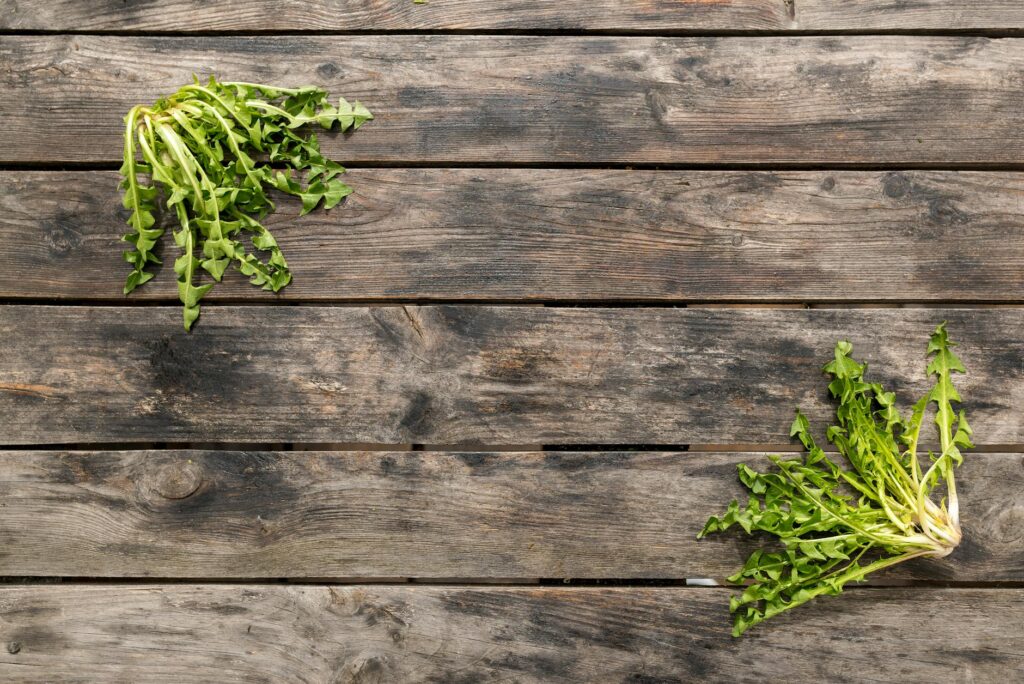
Everything You Need to Know About Dandelion Greens
Introduction
Dandelion greens, often overlooked as mere weeds, are a nutrient-dense leafy green that has garnered increasing attention in culinary and health circles. These vibrant leaves, belonging to the Taraxacum family, are celebrated for their robust flavor and versatility. Their unique profile not only enriches dishes but also offers a glimpse into a rich history of culinary use. This article aims to provide a comprehensive overview of dandelion greens, covering everything from their origins to their culinary applications.
What Is Dandelion Greens?
Dandelion greens are the leaves of the dandelion plant, which is scientifically known as Taraxacum officinale. This perennial plant is recognizable by its jagged-edged leaves, bright yellow flowers, and puffball seed heads. The greens are typically harvested when young, as they tend to be tender and less bitter at this stage. As they mature, the leaves develop a more pronounced bitterness, which can be appealing in certain culinary contexts. Dandelion greens are often used in salads, sautéed dishes, and even as a component in herbal teas.
History and Origins
The history of dandelion greens is as rich as their flavor. Native to Europe, Asia, and North America, the dandelion has been utilized for centuries. Ancient Greeks and Romans prized the plant for its medicinal properties, while it was also a staple in the diets of various indigenous peoples. As European settlers arrived in America, they brought dandelions with them, leading to their proliferation across the continent.
Historically, dandelion greens have been used not only as food but also in traditional medicine. They were believed to aid digestion and detoxification, among other benefits. The plant’s resilience and adaptability have allowed it to thrive in diverse climates, making it a ubiquitous presence in gardens and wild landscapes alike.
Production and Processing
Dandelion greens are typically harvested in the spring and early summer, when the leaves are young and tender. They can be found in the wild or cultivated in gardens. For commercial production, dandelion greens are often grown in nutrient-rich soil to enhance their flavor profile.
During processing, the greens are washed thoroughly to remove soil and debris. They are then sorted based on size and quality. Unlike many other leafy greens, dandelion greens do not undergo extensive processing; they are usually sold fresh or lightly packaged for convenience. In some cases, they may be blanched and frozen for later use, preserving their nutritional value.
Quality and Grading
The quality of dandelion greens can vary based on several factors, including growing conditions, time of harvest, and post-harvest handling. High-quality dandelion greens should be vibrant in color, with a crisp texture and no signs of wilting or browning. When assessing the quality, buyers should look for:
- Color: Deep green leaves indicate freshness and nutrient density.
- Texture: Leaves should be firm and crisp, as limp or wilted greens signify age.
- Size: Younger, smaller leaves tend to be less bitter and more tender than mature ones.
- Salads: Young dandelion leaves can be tossed into salads for a peppery bite. They pair well with citrus dressings and fruits like oranges or apples.
- Sautéed Dishes: Sautéing dandelion greens with garlic and olive oil can mellow their bitterness, making them a delightful addition to pasta or grain bowls.
- Soups: These greens can be added to soups for additional flavor and nutrition, often complementing hearty broths and legumes.
- Herbal Teas: Dandelion greens can be steeped to create herbal teas, valued for their earthy flavor.
- Pesto and Spreads: Blending dandelion greens into pestos or spreads can introduce an interesting twist to traditional recipes.
- Refrigeration: Store fresh dandelion greens in the refrigerator, ideally wrapped in a damp paper towel and placed in a perforated plastic bag. This helps maintain moisture while allowing for airflow.
- Shelf Life: When stored correctly, dandelion greens can last up to a week. However, they are best consumed within a few days for optimal flavor and texture.
- Freezing: If you have an abundance of dandelion greens, consider blanching and freezing them. This process preserves their nutritional value and allows for later use in
While there is no formal grading system for dandelion greens, these quality indicators can help consumers select the best options available.
Buying Considerations
When purchasing dandelion greens, several considerations can help ensure a satisfying experience:
1. Source: Look for greens from reputable suppliers, whether from local farmers’ markets or organic grocery stores. Wild foraged greens may also be available but should be sourced from areas free of pesticides and pollutants.
2. Seasonality: Dandelion greens are best in spring and early summer. Off-season purchases may result in tougher, more bitter greens.
3. Packaging: When buying pre-packaged greens, check for freshness dates and avoid packages with any signs of moisture or decay.
4. Organic vs. Conventional: Organic dandelion greens are grown without synthetic fertilizers or pesticides, which may appeal to health-conscious consumers.
5. Preparation Needs: Fresh greens may require washing and trimming before use, while pre-packaged options may come ready-to-eat.
Uses and Applications
Dandelion greens are a versatile ingredient with a range of culinary applications. Their distinct flavor adds depth to a variety of dishes. Here are some common uses:
The adaptability of dandelion greens allows them to be incorporated into various cuisines, from Italian to Asian, making them a valuable ingredient in any culinary repertoire.
Storage and Shelf Life
Proper storage is crucial to maintaining the quality of dandelion greens. Here are some tips: