
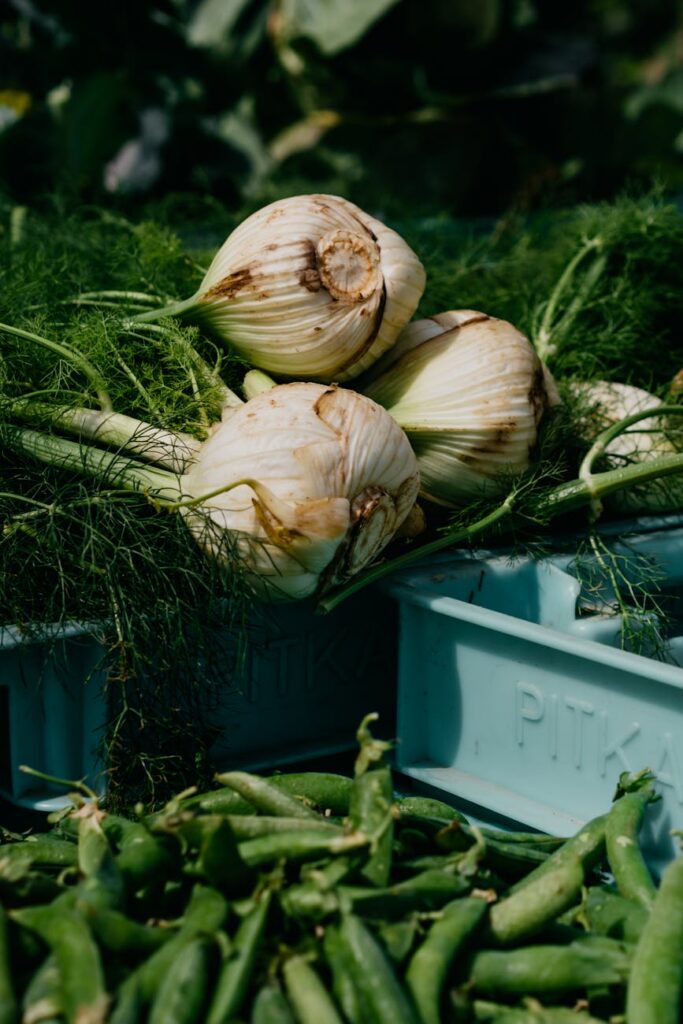
Everything You Need to Know About Fennel Bulb
Introduction
Fennel bulb, with its distinctive anise-like flavor and crisp texture, has gained popularity in cuisines around the world. Often celebrated for its versatility and aromatic properties, fennel bulb is a staple in Mediterranean cooking and increasingly embraced in other culinary traditions. This article serves as a comprehensive guide to fennel bulb, exploring its history, production, quality standards, and much more.
What Is Fennel Bulb?
Fennel (Foeniculum vulgare) is a flowering plant species in the carrot family, known for its edible bulb, stalks, fronds, and seeds. The bulb, which is the focus of this guide, is a swollen base of the stem that grows underground, resembling an onion in shape and texture but with a unique flavor profile. Fennel bulb is characterized by its pale green to white color and a crunchy consistency, making it suitable for both raw and cooked applications.
History and Origins
Fennel has a rich history that dates back over 2,000 years. Originally cultivated in the Mediterranean region, it has been used not only as a culinary ingredient but also for medicinal purposes. Ancient Greeks and Romans valued fennel for its digestive properties and often included it in their diets.
The cultivation of fennel spread throughout Europe during the Middle Ages, and it later made its way to the Americas with European settlers. Today, fennel is cultivated in various countries, including Italy, France, India, and the United States, each contributing to a diverse array of culinary uses.
Production and Processing
Fennel is typically grown in temperate climates, thriving in well-drained soil with ample sunlight. The growing season lasts approximately 90 to 100 days, and the bulbs are harvested when they reach a diameter of about 3 to 6 inches.
After harvesting, fennel bulbs are usually washed and trimmed to remove any dirt and damaged outer layers. They are then packaged for distribution to markets or food service providers. Due to their delicate nature, fennel bulbs require careful handling to prevent bruising and spoilage.
Quality and Grading
When it comes to fennel bulb, quality is determined by several factors, including size, shape, color, and texture. High-quality fennel bulbs should be firm to the touch, with no soft spots or blemishes. A uniform shape and vibrant color are also indicators of freshness.
Grading systems may vary by region, but generally, fennel is categorized into different grades based on these quality indicators. Consumers should look for bulbs that are free of any signs of wilting or yellowing, as these are signs of age and diminished flavor.
Buying Considerations
When purchasing fennel bulbs, there are several factors to consider to ensure you select the best product:
1. Freshness: Look for bulbs that are firm, crisp, and free from blemishes or soft spots. Fresh fennel will have a pleasant aroma, indicative of its flavor.
2. Size: Depending on your culinary needs, fennel bulbs come in various sizes. Larger bulbs may be better for roasting, while smaller bulbs can be used raw in salads or slaws.
3. Seasonality: Fennel is typically in season from late fall to early spring, though it may be available year-round in some regions. Seasonal bulbs are generally fresher and more flavorful.
4. Organic vs. Conventional: Consider whether you prefer organic produce. Organic fennel is grown without synthetic pesticides or fertilizers, which may appeal to health-conscious consumers.
Uses and Applications
Fennel bulb is a versatile ingredient that can be used in a variety of culinary contexts. Here are some common applications:
- Raw: The crisp texture and anise-like flavor of fennel make it an excellent addition to salads, slaws, and crudités platters. Thinly sliced fennel can add a refreshing crunch to dishes.
- Cooked: Fennel can be sautéed, roasted, or braised, often enhancing its sweetness and mellowing its flavor. It pairs exceptionally well with a range of ingredients, including citrus, seafood, and various meats.
- Soups and Stews: Fennel can be used as a flavor base in soups and stews, imparting a subtle sweetness and complexity to the broth.
- Pickling: Fennel bulbs can be pickled for a tangy accompaniment to sandwiches, salads, or as part of a charcuterie board.
- Fennel Bulb vs. Anise: While fennel and anise share similar flavors, they are distinct plants. Anise is primarily cultivated for its seeds, while fennel is valued for its bulb, fronds, and seeds.
- Only for Gourmet Cooking: Many people perceive fennel as a gourmet ingredient suited only for upscale dishes. However, its versatility makes it accessible for everyday cooking.
- Fennel Is Only Good Raw: While fennel can be enjoyed raw, cooking enhances its flavor, making it suitable for a wide range of dishes.
Storage and Shelf Life
Fennel bulbs are best stored in a cool, dry place, ideally in the refrigerator. When properly stored, they can last up to one to two weeks. To maximize freshness, keep them in a perforated plastic bag to allow for air circulation while preventing moisture buildup.
If you have leftover fennel fronds, they can be stored separately in a damp paper towel and placed in a sealed container in the refrigerator, where they will remain fresh for several days.
Common Misconceptions
There are several misconceptions surrounding fennel bulb that merit clarification:
Frequently Asked Questions
1. How do I choose the freshest fennel bulb at the store?
Look for firm, heavy bulbs with no soft spots, blemishes, or wilting. The color should be a vibrant green to white, and the fronds should appear fresh and green.
2. Can I eat the fronds of the fennel bulb?
Yes, the fronds are edible and can be used as a garnish or added to salads, pesto, or sauces for extra flavor.
3. How do I prepare fennel bulb for cooking?
Start by trimming off the stalks and fronds. Rinse the bulb under cold water to remove any dirt. Depending on your recipe, you can slice, dice, or chop the bulb.
4. Is fennel bulb the same as fennel seed?
No, fennel bulb and fennel seed come from the same plant but are different parts. The bulb is the edible base of the stem, while the seeds are harvested from the flowers and are used as a spice.
5. Can I freeze fennel bulb?
Yes, fennel can be blanched and frozen for later use. However, the texture may change upon thawing, making it better suited for cooked dishes rather than raw applications.
6. What dishes pair well with fennel bulb?
Fennel pairs well with a variety of ingredients, including citrus fruits, seafood, chicken, potatoes, and other root vegetables. Its unique flavor can enhance salads, soups, and roasted dishes alike.
Conclusion
Fennel bulb is an ingredient that merits a place in any culinary repertoire. Its distinct flavor, versatile applications, and nutritional benefits make it a valuable addition to a wide range of dishes. With this comprehensive guide, you now have a deeper understanding of fennel bulb, from its history and production to its various uses and storage methods. Whether you’re a seasoned chef or a home cook, fennel bulb offers an exciting ingredient to explore.