
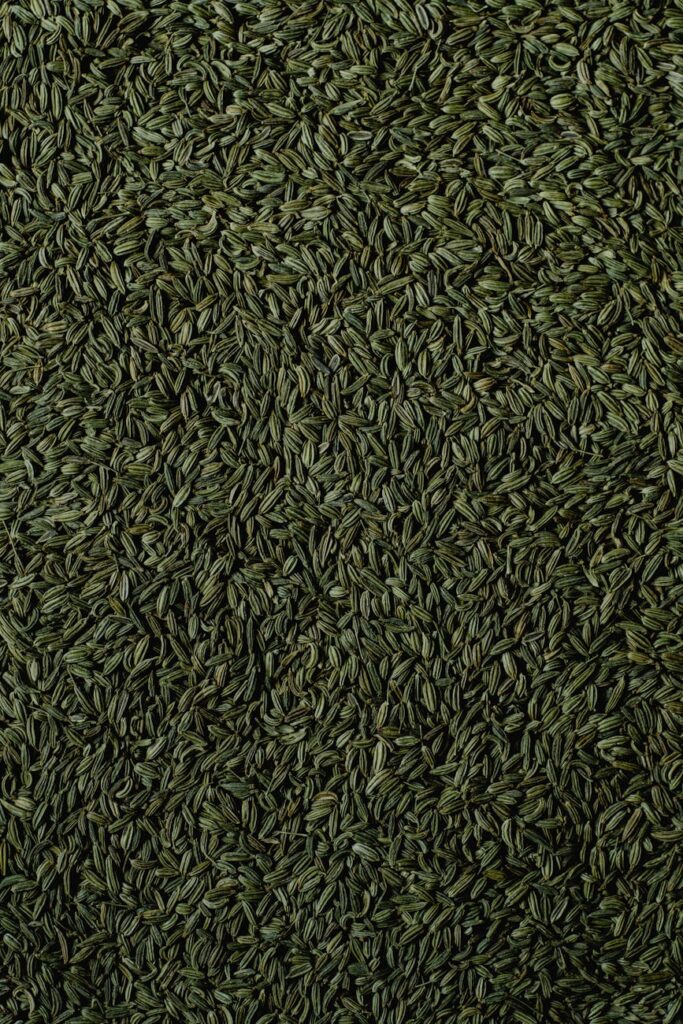
Everything You Need to Know About Fennel
Introduction
Fennel (Foeniculum vulgare) is a versatile and aromatic herb that has garnered attention for both its culinary and medicinal properties. Recognized for its distinctive flavor profile reminiscent of anise, fennel is a staple in various cuisines across the globe. This guide aims to provide a comprehensive overview of fennel, covering its history, production, quality considerations, applications, and more.
What Is Fennel?
Fennel is a flowering plant species belonging to the carrot family (Apiaceae). It is characterized by its feathery leaves, bulbous base, and golden-yellow flowers. The plant is divided into three primary parts: the bulb, stalks, and fronds, each offering unique flavors and culinary uses. Fennel is typically cultivated for its bulb and seeds, both of which are utilized in diverse gastronomic applications.
History and Origins
Fennel has a rich history that dates back to ancient civilizations. Originally native to the Mediterranean region, it has been cultivated since antiquity for its culinary and medicinal properties. The ancient Greeks and Romans revered fennel, often associating it with strength and courage. In Roman times, fennel was commonly consumed during feasts and was believed to have health benefits.
As trade routes expanded, fennel traveled across Europe and eventually to Asia and the Americas, where it was embraced by various cultures. Today, fennel is grown in many parts of the world, including Italy, India, France, and California, making it a globally recognized ingredient.
Production and Processing
Fennel thrives in well-drained soil and requires a temperate climate for optimal growth. It is typically sown in spring and harvested in late summer or early autumn. The plant reaches maturity in about 90 to 120 days, depending on the variety and growing conditions.
Harvesting involves cutting the bulb at the base, ensuring that the plant is handled delicately to prevent bruising. After harvesting, fennel can be sold fresh or processed into various forms, including dried seeds or ground spices. The seeds are often collected once the flowers have dried and turned brown, and they are then cleaned and packaged for sale.
Quality and Grading
The quality of fennel can significantly influence its flavor and culinary applications. When it comes to fresh fennel bulbs, look for specimens that are firm, heavy, and have a vibrant green color. The fronds should be bright and fresh, while the bulb should be free of blemishes or soft spots.
For fennel seeds, quality is assessed based on aroma, flavor, and color. Premium seeds will have a strong, sweet scent and a uniform brown hue. The grading of fennel often follows industry standards that consider factors such as size, moisture content, and absence of impurities.
Buying Considerations
When purchasing fennel, whether fresh or dried, several factors should be taken into account:
1. Freshness: For fresh fennel, select bulbs that are crisp and firm, avoiding any that appear wilted or discolored.
2. Size: Larger bulbs tend to be sweeter and juicier, while smaller ones may be more concentrated in flavor.
3. Source: Choosing organic or locally-grown fennel can enhance flavor and quality while supporting sustainable practices.
4. Seeds vs. Bulbs: Depending on your culinary needs, decide whether you require fresh bulbs, dried seeds, or both.
Uses and Applications
Fennel is an incredibly versatile ingredient, utilized in various forms across different cuisines.
Culinary Uses
1. Fresh Bulbs: The crisp, juicy bulbs can be sautéed, roasted, or eaten raw in salads. They add a refreshing crunch and a mild anise flavor to dishes.
2. Fronds: The feathery leaves can be used as an aromatic garnish or finely chopped to enhance salads, dips, and sauces.
3. Seeds: Fennel seeds are often used as a spice, lending their sweet, licorice-like flavor to both savory and sweet dishes. They can be toasted to intensify their aroma and flavor.
Beverage Applications
Fennel is also commonly used in beverages, particularly in herbal teas and liquors. Its seeds are often infused in teas for their aromatic qualities, while some spirits incorporate fennel for added complexity.
Cultural Significance
In addition to its culinary applications, fennel holds cultural significance in various traditions. In Italy, for instance, fennel is often used in traditional Christmas dishes, while in Indian cooking, it is a common ingredient in spice blends and is consumed after meals to aid digestion.
Storage and Shelf Life
Fresh fennel should be stored in the refrigerator, ideally wrapped in a damp paper towel and placed in a plastic bag. When stored this way, it can last for up to a week.
Dried fennel seeds should be kept in an airtight container in a cool, dark place to maintain their flavor and aroma. Under optimal conditions, they can last for several months, though it is advisable to use them within six months to a year for the best taste.
Common Misconceptions
Fennel is often misunderstood, leading to several common misconceptions:
1. Fennel is Only for Italian Cuisine: While fennel is a staple in Italian cooking, it is also widely used in Middle Eastern, Indian, and Asian cuisines.
2. Fennel and Anise are the Same: Though they share a similar flavor profile, fennel and anise are different plants belonging to the same family. Fennel has a bulbous base, while anise is primarily grown for its seeds.
3. Fennel is Only Used in Cooking: Beyond culinary uses, fennel is also utilized in herbal remedies and natural cosmetics, showcasing its versatility.
Frequently Asked Questions
1. How do I choose the best fennel at the store?
Look for firm, heavy bulbs with bright green fronds. Avoid any that appear wilted or have soft spots.
2. Can I eat fennel raw?
Yes, fresh fennel can be eaten raw and is often used in salads for its crisp texture and mild flavor.
3. How do I prepare fennel for cooking?
To prepare fennel, trim the fronds and stalks, then slice the bulb as desired. The bulb can be roasted, sautéed, or eaten raw.
4. Where should I store fennel?
Fresh fennel should be stored in the refrigerator, while dried fennel seeds should be kept in a cool, dark place in an airtight container.
5. Is fennel gluten-free?
Yes, fennel is naturally gluten-free and can be safely consumed by those with gluten sensitivities.
6. How do fennel seeds differ in flavor from the bulb?
Fennel seeds have a more concentrated and intense flavor compared to the bulb, which is milder and sweeter. Both forms, however, share the characteristic anise-like taste.
Conclusion
Fennel is a remarkable herb that adds unique flavor and versatility to a wide array of dishes. With its rich history, diverse culinary applications, and numerous benefits, it is a staple worth exploring in any kitchen. Whether you are a seasoned chef or a home cook, understanding the qualities and uses of fennel can elevate your culinary creations and appreciation for this exceptional ingredient.