
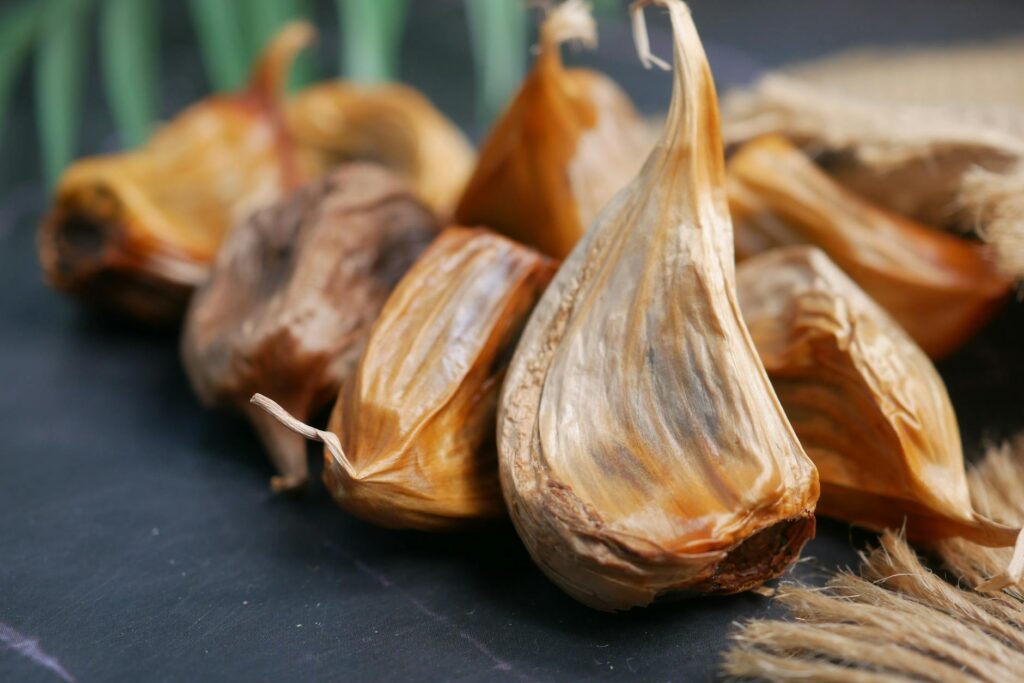
Everything You Need to Know About Fermented Black Garlic
Introduction
Fermented black garlic has gained prominence in culinary circles and health food markets alike, celebrated for its unique flavor profile and potential health benefits. This article serves as a comprehensive guide to understanding fermented black garlic, encompassing its history, production methods, quality assessment, and various applications. Whether you are a culinary enthusiast, a professional chef, or simply curious about this intriguing ingredient, this guide will equip you with essential knowledge about fermented black garlic.
What Is Fermented Black Garlic?
Fermented black garlic is a product derived from raw garlic (Allium sativum) that undergoes a fermentation process under controlled conditions of temperature and humidity. This transformation results in cloves that are blackened, soft, and sweet, with a flavor that resembles balsamic vinegar or tamarind rather than the sharpness typically associated with fresh garlic. The fermentation process not only alters the sensory characteristics of garlic but also enhances its antioxidant properties.
History and Origins
The use of fermented black garlic can be traced back to several Asian cultures, particularly in Korea and Japan, where it has been consumed for centuries. In Korea, it is known as “black garlic” (black garlic) and is traditionally used in various dishes and as a health tonic. Japanese chefs have also embraced this ingredient, incorporating it into a wide range of culinary applications, from sauces to marinades.
In recent years, the popularity of fermented black garlic has transcended its cultural roots and made its way into Western cuisine, where chefs are increasingly experimenting with its unique flavor and health-promoting properties.
Production and Processing
The production of fermented black garlic involves a meticulous process that requires specific conditions to achieve the desired results. Here’s a closer look at the steps involved:
1. Selection of Garlic: High-quality, raw garlic bulbs are chosen for fermentation. The quality of the raw garlic significantly impacts the final product.
2. Fermentation Process: The garlic is placed in a fermentation chamber where it is subjected to controlled temperatures (typically between 60°C and 80°C, or 140°F to 176°F) and high humidity (around 85-90%). This environment promotes the Maillard reaction, which contributes to the darkening of the garlic cloves and the development of their complex flavors.
3. Duration: The fermentation process usually lasts between three to four weeks. During this time, the garlic cloves turn black, soften, and develop a sweet, umami-rich flavor.
4. Drying and Packaging: After fermentation, the garlic is dried slightly to reduce moisture content, then packaged for sale. It is essential to protect the product from light and moisture to maintain its quality.
Quality and Grading
The quality of fermented black garlic can vary significantly based on several factors, including the initial garlic variety, fermentation conditions, and production methods. Here are some key aspects to consider when assessing the quality and grading of fermented black garlic:
1. Appearance: High-quality fermented black garlic should have a uniform black color, soft texture, and a glossy surface. Cloves should not be overly dry or shriveled.
2. Flavor Profile: The taste should be sweet, rich, and complex, with a pronounced umami essence. A bitter or overly pungent flavor may indicate poor quality.
3. Aroma: Quality black garlic emits a pleasant, sweet aroma, reminiscent of molasses or tamarind, without any harsh or off-putting scents.
4. Packaging: Proper packaging protects the garlic from moisture and light, preserving its quality. Look for vacuum-sealed or opaque containers.
Buying Considerations
When purchasing fermented black garlic, several factors should guide your choice:
1. Source: Opt for products from reputable suppliers known for their commitment to quality. Look for brands that specialize in fermented foods or Asian ingredients.
2. Certification: Check for certifications that indicate organic or natural production methods, ensuring the absence of harmful additives.
3. Form: Fermented black garlic is available in various forms, including whole cloves, pastes, and powders. Choose the form that best suits your intended use.
4. Price Point: While high-quality fermented black garlic may come at a premium, be wary of overly cheap options, which may sacrifice quality for cost.
5. Reviews: Customer reviews can provide insight into the quality and flavor of the product, making them a valuable resource when making a purchasing decision.
Uses and Applications
Fermented black garlic is a versatile ingredient with a multitude of culinary applications. Here are some common uses:
1. Condiments and Sauces: It can be blended into dressings, marinades, and sauces, adding depth and complexity to dishes. It pairs particularly well with soy sauce, vinegar, and olive oil.
2. Spreads: Fermented black garlic can be mashed into a paste and spread on bread or crackers, serving as an exquisite appetizer or snack.
3. Flavor Enhancer: Its rich umami flavor makes it an excellent addition to soups, stews, and braises, enhancing the overall taste profile.
4. Garnish: Whole cloves can be used as a sophisticated garnish for a variety of dishes, from meats to vegetable plates.
5. Infusions: Fermented black garlic can also be used to infuse oils or butters, imparting its unique flavor into the base ingredient.
Storage and Shelf Life
Proper storage is crucial for maintaining the quality of fermented black garlic. Here are some guidelines:
1. Temperature: Store fermented black garlic in a cool, dark place, ideally in the refrigerator. This helps to slow down any potential spoilage.
2. Container: Keep it in an airtight container to prevent moisture absorption and protect it from light exposure.
3. Shelf Life: When stored correctly, fermented black garlic can last up to several months. However, it is best consumed within a few weeks for optimal flavor and freshness.
Common Misconceptions
Despite its rising popularity, several misconceptions about fermented black garlic persist:
1. Fermented Black Garlic Is Raw Garlic: Many assume that fermented black garlic retains the pungent qualities of raw garlic. In reality, the fermentation process transforms its flavor, resulting in a milder, sweeter taste.
2. All Black Garlic Is the Same: Not all black garlic is created equal. The quality can vary depending on the garlic variety, fermentation conditions, and processing methods.
3. Fermented Black Garlic Has No Nutritional Benefits: Some believe that the fermentation process diminishes the nutritional value of garlic. On the contrary, it may enhance certain properties, such as antioxidant levels.
4. It’s Just a Trend: While fermented black garlic is trendy, it has deep cultural roots and a long history of use in traditional cuisines.
Frequently Asked Questions
1. What is the main difference between raw and fermented black garlic?
Raw garlic has a pungent, sharp flavor, while fermented black garlic is sweet, soft, and rich in umami due to the fermentation process.
2. Can fermented black garlic be used in cooking?
Absolutely! Fermented black garlic enhances the flavor of various dishes, including sauces, soups, and spreads.
3. Is fermented black garlic safe to consume?
Yes, as long as it is sourced from reputable producers and stored properly, fermented black garlic is safe to eat.
4. How do I incorporate fermented black garlic into my diet?
You can add it to dressings, spreads, marinades, or simply enjoy it on its own as a flavorful snack.
5. Does fermented black garlic contain the same health benefits as raw garlic?
While some benefits may differ, fermented black garlic is known to have enhanced antioxidant properties and other potential health benefits.
6. Where can I buy fermented black garlic?
Fermented black garlic is available at specialty grocery stores, Asian markets, and online retailers.
In conclusion, fermented black garlic is a remarkable ingredient that enriches both culinary experiences and nutritional diversity. Understanding its history, production, and applications can elevate your cooking and inspire new culinary adventures. As this ingredient continues to gain traction globally, its unique flavors and benefits are sure to capture the attention of chefs and home cooks alike.