
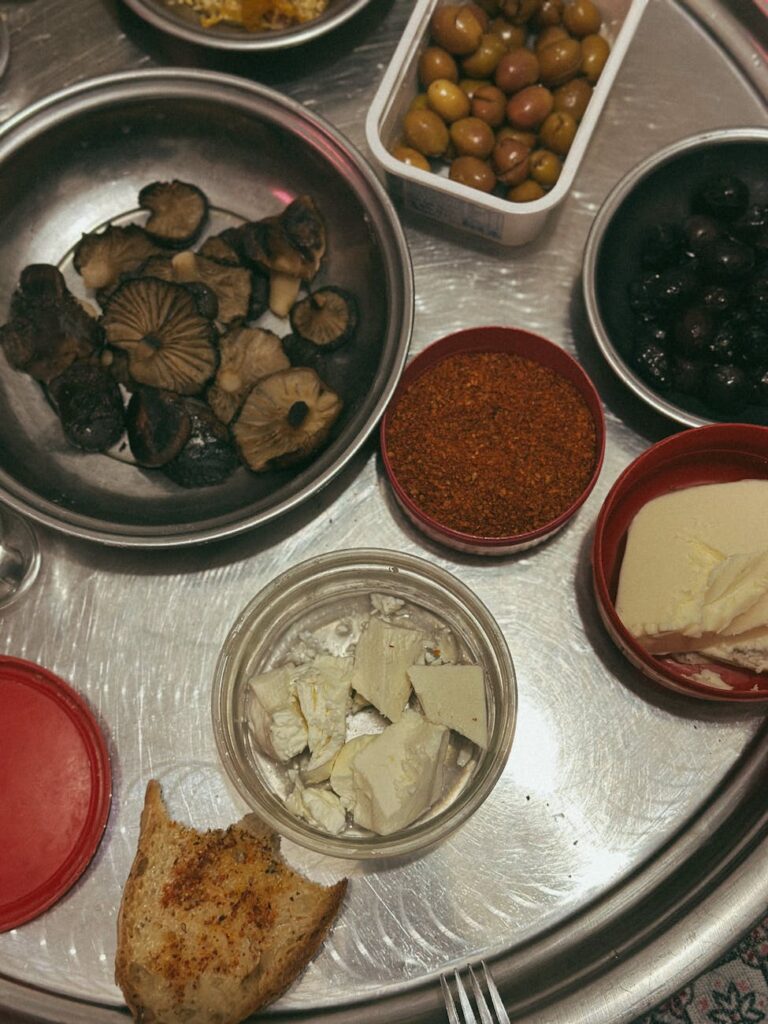
Everything You Need to Know About Feta Cheese
Introduction
Feta cheese, a staple in Mediterranean cuisine, is cherished for its tangy flavor and crumbly texture. Originating from Greece, this cheese has gained international fame, elevating salads, pastries, and various dishes across the globe. This comprehensive guide will delve into the intricacies of feta cheese, exploring its history, production techniques, quality grading, culinary applications, and more, providing an authoritative resource for enthusiasts and professionals alike.
What Is Feta Cheese?
Feta cheese is a brined curd cheese traditionally made from sheep’s milk or a mixture of sheep’s and goat’s milk. It is characterized by its crumbly texture and distinct salty flavor, which come from the aging process in a brine solution. Feta is known for its versatility in culinary applications, pairing well with a variety of ingredients, from fresh vegetables to robust meats.
History and Origins
Feta cheese has a rich historical background that dates back thousands of years. Its origins are deeply rooted in Greek culture, where it was first documented in the writings of Homer. The name “feta” derives from the Italian word “fetta,” meaning “slice,” as it was traditionally cut into slabs.
Feta was historically made from sheep’s milk, with goat’s milk being used in some regions. The cheese’s production was not only a culinary practice but also an essential part of agricultural life in Greece. Over time, the unique flavor profile and texture of feta cheese garnered attention, leading to its recognition as a protected designation of origin (PDO) product in the European Union. This designation ensures that only cheese produced in specific regions of Greece, following traditional methods, can be labeled as “feta.”
Production and Processing
The production of feta cheese involves a series of meticulous steps to ensure its characteristic taste and texture.
1. Milk Selection: The quality of feta begins with the milk. Traditionally, sheep’s milk is favored, providing a rich flavor. Goat’s milk may be added for complexity.
2. Curdling: The milk is heated and combined with rennet, which helps in curd formation. This process typically takes a few hours, during which the milk coagulates.
3. Cutting the Curd: Once the curd forms, it is cut into small cubes, allowing whey to escape. The size of the curd pieces influences the final texture of the cheese.
4. Whey Removal: The curds are gently heated again to help expel more whey. This step is crucial for developing the desired moisture content.
5. Salting and Molding: The curds are then salted and placed into molds, where they are pressed to form blocks. The salting process not only enhances the flavor but also acts as a preservative.
6. Brining: The molded cheese is placed in brine, a saltwater solution, where it undergoes fermentation for several weeks to several months. This aging process is vital for developing feta’s characteristic tangy taste.
7. Packaging: Finally, the cheese is packaged in its brine solution, ensuring it remains moist and flavorful until consumption.
Quality and Grading
Quality assessment of feta cheese is crucial for both producers and consumers. Factors influencing quality include:
- Milk Source: The origin of the milk (sheep vs. goat) plays a significant role in flavor complexity. Sheep’s milk generally produces a creamier cheese, while goat’s milk adds a sharpness.
- Texture: High-quality feta should be crumbly yet creamy, with a smooth mouthfeel.
- Flavor: Authentic feta has a tangy, slightly salty flavor, with a hint of earthiness.
- Brine Quality: The brine should be clean and free from off-flavors, ensuring the cheese retains its characteristic taste.
- Salads: Feta is a popular addition to salads, particularly Greek salads, where its salty flavor complements fresh vegetables.
- Pastries: In Mediterranean cuisine, feta is often used in pastries like spanakopita, where it is combined with spinach and herbs.
- Dips and Spreads: Blended with herbs and olive oil, feta can serve as a flavorful dip or spread for bread and crackers.
- Pasta Dishes: Crumbled feta can enhance pasta dishes, adding a salty, creamy element that balances rich sauces.
- Grains: Feta pairs well with grains such as quinoa and couscous, providing a tangy contrast to earthy flavors.
- Charcuterie Boards: A staple in cheese platters, feta adds variety and flavor, complementing cured meats and fruits.
- Refrigeration: Always store feta in the refrigerator. The brine should cover the cheese to prevent it from drying out. If the brine is not provided, submerge the cheese in a mixture of water and salt.
- Shelf Life: When stored properly in brine, feta cheese can last for several months. However, once opened, it is best consumed within a few weeks for optimal flavor.
- Freezing: While freezing feta is possible, it may alter the texture. If necessary, freeze it in small portions, ensuring it is well-wrapped to prevent freezer burn.
- Myth: All Feta Is the Same: Feta can vary significantly in flavor and texture based on its milk source and production methods. Authentic Greek feta made from sheep’s milk is distinct from mass-produced varieties.
- Myth: Feta Is Always White: While traditional feta is white, variations may exhibit shades of ivory or even cream, depending on the milk used and the aging process.
- Myth: Feta Is Unhealthy: Feta is a nutrient-rich cheese that can be part of a healthy diet when consumed in moderation. It is lower in fat than many other cheeses and provides a good source of calcium.
Grading systems vary by region, but they often include categories based on texture, flavor intensity, and moisture content. In some markets, feta may be graded as “extra”, “premium”, or “standard” based on these criteria.
Buying Considerations
When purchasing feta cheese, several factors should be taken into account to ensure quality and authenticity:
1. Source: Look for feta labeled with PDO status, indicating it is made in Greece using traditional methods. This guarantees you are getting the authentic product.
2. Milk Type: Check the label for the type of milk used. Pure sheep’s milk feta offers a richer flavor profile, while mixed milk varieties may present a different taste.
3. Packaging: Feta should be sold in brine, which helps maintain its moisture and flavor. Avoid feta that is dry or crumbly outside of its brine.
4. Color and Aroma: Quality feta should have a white to ivory color and a fresh, tangy aroma. If there are signs of discoloration or an off-putting smell, it’s best to avoid that product.
5. Texture: Gently press the cheese; it should feel slightly firm yet moist.
6. Price Point: Authentic feta may be more expensive than mass-produced alternatives. Investing in quality feta can make a significant difference in your culinary applications.
Uses and Applications
Feta cheese is incredibly versatile and can be used in a variety of culinary applications:
Storage and Shelf Life
Proper storage of feta cheese is essential to maintain its quality and flavor:
Common Misconceptions
Feta cheese is often surrounded by misconceptions that may lead to confusion among consumers:
Frequently Asked Questions
1. What is the main difference between Greek feta and other types of feta?
Greek feta is made primarily from sheep’s milk or a mixture of sheep’s and goat’s milk and is aged in brine, giving it a distinct flavor. Other types of feta may use cow’s milk and can lack the same depth of flavor.
2. Can feta cheese be eaten raw?
Yes, feta cheese is commonly consumed raw in salads, sandwiches, and as part of cheese platters.
3. Is feta cheese gluten-free?
Yes, feta cheese is naturally gluten-free. However, always check for additives in processed varieties.
4. How can I tell if feta cheese has gone bad?
Signs of spoilage include an off smell, discoloration, or a slimy texture. If any of these are present, it’s best to discard the cheese.
5. How do I crumble feta cheese easily?
Feta can be crumbled easily by using your fingers or a fork. It’s best to do this when the cheese is cold, as it tends to be more crumbly.
6. Can I substitute feta cheese in recipes?
While feta has a unique flavor, substitutes like goat cheese or ricotta can be used in some dishes, though the taste will differ.
In conclusion, feta cheese is more than just a culinary ingredient; it is a cultural icon with a storied history and a multitude of applications. Understanding its origins, production methods, and best practices for storage will allow enthusiasts to enjoy this beloved cheese to its fullest potential. Whether you’re a home cook or a professional chef, feta’s versatility and rich flavor offer endless opportunities for creativity in the kitchen.