
Everything You Need to Know About Ginger
Introduction
Ginger, a widely celebrated spice, is revered not only for its culinary versatility but also for its rich history and cultural significance. This rhizome has been a staple in kitchens around the world, valued for its unique flavor profile and extensive range of uses. In this comprehensive guide, we will delve deep into everything you need to know about ginger, including its origins, production, quality considerations, and much more.
What Is Ginger?
Ginger (Zingiber officinale) is a flowering plant belonging to the family Zingiberaceae, which also includes turmeric and cardamom. The part of the plant that is most commonly used is the rhizome, which is the underground stem that grows horizontally. Ginger is known for its pungent taste, warm aroma, and slightly spicy flavor, making it a popular ingredient in various culinary traditions, from Asian stir-fries to Middle Eastern dishes.
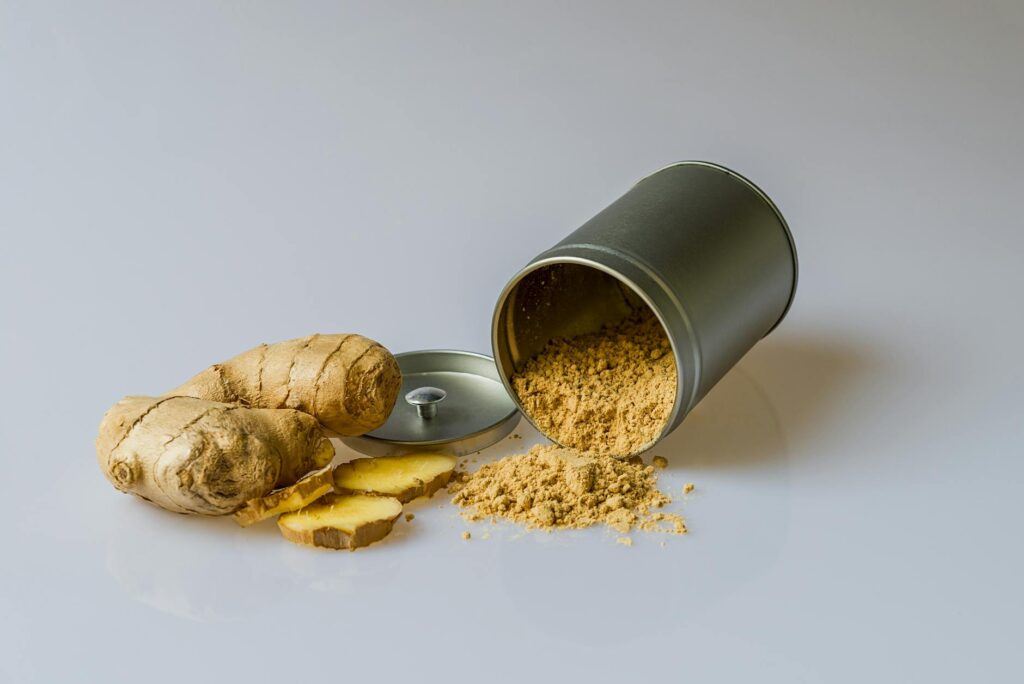
Ginger can be consumed fresh, dried, pickled, or powdered, and it is often used in both sweet and savory dishes. Beyond its culinary applications, ginger also plays a significant role in traditional medicine and herbal remedies across many cultures, although this aspect will not be explored in this guide.
History and Origins
Ginger has a storied history that dates back over 5,000 years. It is believed to have originated in Southeast Asia, particularly in the region that is now modern-day India and China. Historical texts indicate that ginger was traded along ancient trade routes, making its way to the Mediterranean by around the 1st century AD.
The spice was highly valued in ancient times, often compared to gold in terms of worth. It was used not only as a flavoring but also as a preservative for food. During the Middle Ages, ginger became a sought-after commodity in Europe, leading to the establishment of spice trade routes.
Through centuries of cultivation and trade, ginger has spread globally, becoming integral to various cuisines, including Indian, Thai, and Caribbean. Today, it is grown in many tropical and subtropical regions, with India, China, and Indonesia being the largest producers.
Production and Processing
Ginger is cultivated in warm, humid climates, requiring well-drained, loamy soil for optimal growth. The plant thrives in temperatures ranging from 68°F to 86°F (20°C to 30°C). Typically, ginger is planted in the spring and harvested approximately 8 to 10 months later, once the leaves begin to yellow.
Once harvested, ginger undergoes several processing steps:
1. Cleaning: Fresh ginger is washed to remove dirt and impurities.
2. Peeling: Depending on the desired end product, the skin may be left on or peeled away. For culinary uses, it is often preferable to keep the skin to retain flavor.
3. Slicing and Drying: For dried ginger products, the rhizome is sliced and dehydrated. This process intensifies its flavor and extends its shelf life.
4. Grinding: Dried ginger can be ground into a fine powder for use in spice blends or as a standalone ingredient.
The processing methods can affect the flavor, aroma, and color of ginger, which is why quality control is crucial during production.
Quality and Grading
The quality of ginger can vary significantly based on several factors, including its origin, age, and processing methods. When assessing ginger, consider the following criteria:
1. Appearance: Fresh ginger should have a firm texture, smooth skin, and a light tan color. It should not be shriveled or have dark spots.
2. Aroma: Fresh ginger emits a strong, spicy aroma. Dried ginger should have a concentrated scent, indicative of its flavor potency.
3. Taste: Quality ginger should be pungent and spicy. Inferior ginger may taste bland or have an off-flavor.
Ginger is often graded based on size, appearance, and moisture content. The highest quality is usually labeled as “first grade” or “premium,” while lower grades may be categorized as “second” or “third grade.”
Buying Considerations
When purchasing ginger, consider the following factors to ensure you select the best product:
1. Form: Decide whether you need fresh, dried, or powdered ginger. Fresh ginger is ideal for cooking, while dried ginger works well in spice blends and baking.
2. Source: Opt for ginger from reputable suppliers or farmers’ markets. Local sourcing often ensures freshness and quality.
3. Organic vs. Conventional: Organic ginger may be preferable for those concerned about pesticide use. However, it is essential to verify the certification.
4. Seasonality: Fresh ginger is generally available year-round, but its flavor may vary based on the season and region of production.
Uses and Applications
Ginger’s versatility makes it a popular ingredient in various culinary applications:
- Culinary Uses: Fresh ginger is used in stir-fries, marinades, soups, and sauces. Dried ginger powder enhances baked goods, spice blends, and desserts.
- Beverages: Ginger is a common ingredient in teas, smoothies, and cocktails. Its warm flavor adds depth to beverages, particularly in winter months.
- Preservation: Pickled ginger is often served as a condiment with sushi, providing a contrast to the flavors of raw fish.
- Flavoring: Ginger is frequently used in candies, syrups, and even ice creams, showcasing its adaptability across different types of cuisine.
- Fresh Ginger: Store unpeeled fresh ginger in a cool, dry place or in the refrigerator, wrapped in a paper towel and placed in a plastic bag. It can last up to three weeks when stored correctly.
- Dried Ginger: Keep dried ginger in an airtight container in a cool, dark place. Properly stored, it can retain its potency for up to two years.
- Ground Ginger: Ground ginger should also be kept in an airtight container, away from heat and moisture, with a shelf life of about six months to one year.
- Ginger is Only a Spice: While commonly categorized as a spice, ginger is technically a rhizome, with culinary and medicinal uses transcending that category.
- All Ginger Tastes the Same: Different varieties of ginger exist, with flavor profiles ranging from mild to intense. The most common types include young ginger, mature ginger, and dried ginger.
- Ginger is Only Used in Asian Cuisine: Although ginger is a cornerstone of Asian cuisine, it is also prevalent in Western cooking and can be found in dishes from various cultures worldwide.
In addition to its culinary uses, ginger is also employed in the production of ginger beer and other fermented beverages, contributing to their unique flavors.
Storage and Shelf Life
Proper storage is essential for maintaining ginger’s quality and flavor:
Common Misconceptions
Despite its popularity, several misconceptions about ginger persist:
Frequently Asked Questions
1. What are the different types of ginger?
The primary types of ginger include fresh ginger, dried ginger, ground ginger, and pickled ginger. Each type has unique applications and flavor profiles.
2. How can I tell if ginger has gone bad?
Signs of spoiled ginger include a shriveled appearance, mold, or an off-smell. Fresh ginger should feel firm and have a strong aroma.
3. Can I freeze ginger?
Yes, ginger can be frozen to extend its shelf life. Peel and chop it into desired sizes, then store it in an airtight container or freezer bag.
4. Does dried ginger have the same flavor as fresh ginger?
While dried ginger retains much of its flavor, it is more concentrated and can have a slightly different taste profile compared to fresh ginger.
5. Is ginger gluten-free?
Yes, ginger is naturally gluten-free, making it a safe ingredient for those with gluten sensitivities or celiac disease.
6. How should I prepare fresh ginger for cooking?
To prepare fresh ginger, peel the skin with a vegetable peeler or the edge of a spoon, then slice, chop, or grate it according to your recipe’s requirements.
Conclusion
Ginger is a multifaceted ingredient with a rich history and diverse applications in cooking and beverage preparation. Understanding its origins, production processes, quality indicators, and storage methods can significantly enhance your culinary experience. Whether you are a seasoned chef or a home cook, ginger’s unique flavor and versatility are sure to elevate your dishes. Armed with this comprehensive guide, you can confidently explore the many ways to incorporate ginger into your culinary repertoire.