
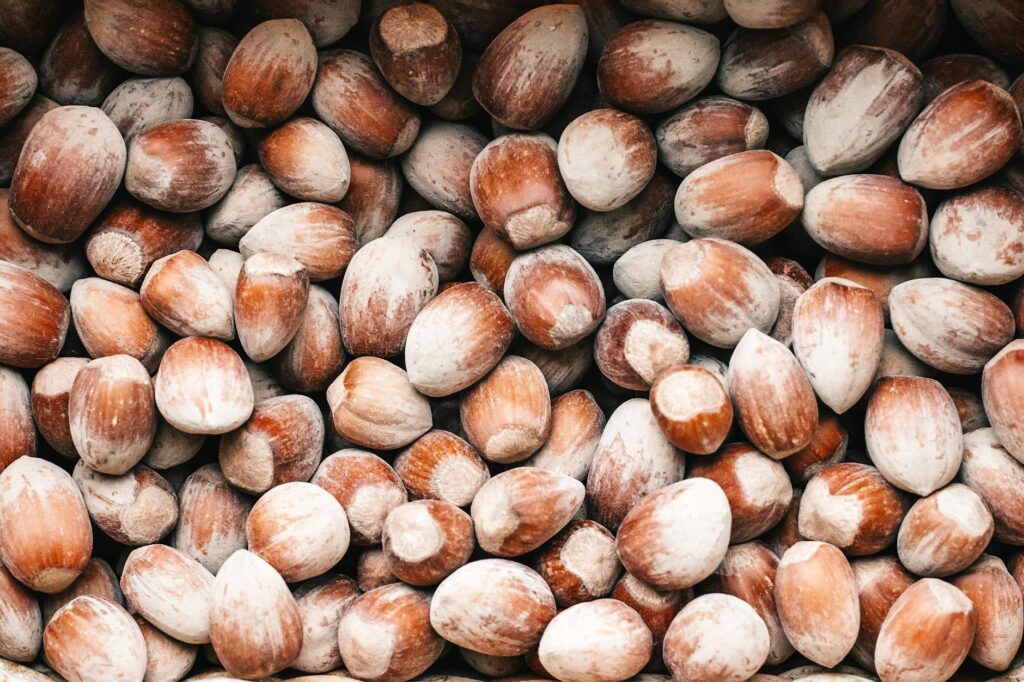
Everything You Need to Know About Hazelnuts
Introduction
Hazelnuts, known for their rich flavor and versatile applications, have been a staple in various cuisines worldwide. This article delves into the multifaceted world of hazelnuts, exploring their history, production, quality standards, and much more. Whether you’re a culinary professional, a home cook, or simply a food enthusiast, understanding this delightful nut will enhance your appreciation and usage of it in various culinary contexts.
What Is Guides?
In the context of food ingredients, “Guides” provide comprehensive information aimed at educating consumers and professionals about specific items. These guides encompass various dimensions, including historical background, production practices, quality assessment, purchasing tips, and culinary applications. For hazelnuts, these guides serve to illuminate the unique characteristics and benefits of this ingredient, ensuring that all users can make informed decisions regarding its selection and use.
History and Origins
The history of hazelnuts traces back thousands of years, with archaeological evidence suggesting their cultivation as far back as 9,000 BCE in the Mediterranean region. Ancient civilizations valued hazelnuts not only for their flavor but also for their nutritional benefits. The Greeks and Romans included them in their diets and even considered them symbols of fertility and wisdom.
The primary species of hazelnut, Corylus avellana, originates from the Mediterranean, but its cultivation spread throughout Europe and into parts of Asia and North America. Today, Turkey is the largest producer of hazelnuts globally, accounting for nearly 70% of the world’s supply. The nut’s adaptability to various climates has enabled it to thrive in different regions, leading to diverse varieties and applications.
Production and Processing
The production of hazelnuts involves meticulous agricultural practices. Hazelnut trees typically begin yielding nuts three to five years after planting, with peak production occurring around the 10th year. The nuts are harvested in late summer to early autumn when they have ripened.
Once harvested, the processing of hazelnuts includes several stages:
1. Hulling: After harvesting, the nuts undergo hulling to remove their outer shells. This is often done mechanically.
2. Drying: Proper drying is crucial to prevent mold and spoilage. Hazelnuts are usually dried in the sun or using hot air to achieve the optimal moisture content.
3. Sorting and Grading: Nuts are sorted based on size, quality, and appearance. This is essential for the marketability of the product.
4. Roasting: Many hazelnuts are roasted to enhance their flavor. This process can be carried out in various ways, including dry roasting and oil roasting, each imparting different flavor profiles.
5. Grinding and Milling: For applications such as hazelnut butter or flour, nuts are ground and milled into finer textures.
The entire production process emphasizes quality control to ensure that the final product meets the standards expected by consumers and manufacturers alike.
Quality and Grading
Hazelnuts are graded based on several factors, including size, color, taste, and oil content. Quality assessments typically categorize hazelnuts into several grades:
- Extra Grade: These are the highest quality nuts, characterized by uniform size and excellent flavor. They are often used in premium products.
- First Grade: Slightly lower than extra grade, these nuts may have minor imperfections but still maintain good flavor and appearance.
- Second Grade: These nuts may exhibit defects such as broken shells or discoloration but are still suitable for many applications.
- Industrial Grade: Often used for processing into oils or other products, these hazelnuts may not meet the aesthetic standards of higher grades.
- Baking: Hazelnuts are often used in cookies, cakes, and pastries, adding a rich, nutty flavor. Ground hazelnuts can substitute for a portion of flour in certain recipes.
- Confectionery: The nut is a key ingredient in many confections, including pralines and nut spreads like Nutella.
- Savory Dishes: Finely chopped hazelnuts can enhance salads, dressings, and vegetable dishes, providing a delightful crunch and flavor contrast.
- Oils and Butters: Hazelnut oil is prized for its nutty flavor and is used in dressings, marinades, and cooking. Hazelnut butter, similar to almond or peanut butter, is a popular alternative for spreads.
- Beverages: Hazelnuts are also used in flavoring coffee and liqueurs, adding depth and richness to drinks.
- Cool and Dry Place: Store hazelnuts in a cool, dry location, away from direct sunlight. A pantry or cupboard is usually suitable.
- Refrigeration: For extended shelf life, particularly for raw or roasted nuts, refrigeration is recommended. They can last up to six months if stored in an airtight container.
- Freezing: If you need to store hazelnuts for even longer, consider freezing them. Properly sealed in an airtight container or vacuum-sealed bag, hazelnuts can last up to a year in the freezer.
- All Nuts Are the Same: Many assume that all nuts have similar nutritional profiles. In reality, hazelnuts are unique, offering distinct flavors and health benefits.
- Hazelnuts Are Only for Sweets: While hazelnuts are often associated with desserts, they are equally effective in savory dishes, adding depth and texture.
- Roasting Diminishes Nutritional Value: Some believe that roasting nuts reduces their health benefits. While roasting can alter certain compounds, it also enhances flavor, making hazelnuts more enjoyable in various culinary applications.
When purchasing hazelnuts, consumers should pay attention to these grading standards to ensure they select the best quality for their culinary needs.
Buying Considerations
When buying hazelnuts, several factors should be taken into account to ensure you make an informed choice:
1. Form: Hazelnuts are available in various forms, including whole, chopped, sliced, and ground. The form you choose should align with your intended use.
2. Roasted vs. Raw: Decide whether you want raw hazelnuts or roasted ones. Roasted hazelnuts have a deeper flavor profile, while raw nuts retain more of their natural oils and nutrients.
3. Origin: Knowing where your hazelnuts come from can impact quality. Turkish hazelnuts are renowned for their flavor and quality, but other regions also produce excellent varieties.
4. Packaging and Freshness: Look for packaging that ensures freshness, such as vacuum-sealed bags or jars. Check for expiration dates to ensure you are purchasing the freshest product.
5. Organic Certification: If you prefer organic products, look for hazelnuts that are certified organic, which indicates they were grown without synthetic pesticides or fertilizers.
6. Sustainability: Consider the sustainability practices of the producers. Many consumers are increasingly concerned about the environmental impact of their food choices.
By considering these factors, buyers can select hazelnuts that meet their culinary and ethical standards.
Uses and Applications
Hazelnuts are incredibly versatile and find applications in both sweet and savory dishes. Some of the common uses include:
The versatility of hazelnuts makes them a favorite among chefs and home cooks alike, allowing for endless creativity in the kitchen.
Storage and Shelf Life
To maintain the freshness and quality of hazelnuts, proper storage is crucial. Here are some guidelines:
By following these storage guidelines, you can enjoy the quality and flavor of hazelnuts long after purchasing them.
Common Misconceptions
Despite their popularity, several misconceptions surround hazelnuts:
By addressing these misconceptions, consumers can better appreciate the unique qualities and uses of hazelnuts.
Frequently Asked Questions
1. Are hazelnuts safe for people with nut allergies?
Hazelnuts are tree nuts, and individuals with nut allergies should avoid them. It’s essential to consult a medical professional for specific dietary advice.
2. How can I tell if hazelnuts are fresh?
Fresh hazelnuts should have a firm texture, a pleasant nutty aroma, and no signs of discoloration or rancidity. Check the packaging for expiration dates to ensure freshness.
3. Can hazelnuts be eaten raw?
Yes, hazelnuts can be consumed raw. However, roasting enhances their flavor and makes them more palatable for many individuals.
4. Are there different varieties of hazelnuts?
Yes, there are several varieties of hazelnuts, including the popular ‘Barcelona,’ ‘Tonda di Giffoni,’ and ‘Corylus avellana.’ Each variety has its unique flavor profile and characteristics.
5. What is the best way to incorporate hazelnuts into my diet?
You can incorporate hazelnuts into your diet by adding them to salads, oatmeal, baked goods, or simply enjoying them as a snack. Their versatility allows for various culinary applications.
6. How can I prevent hazelnuts from going rancid?
To prevent rancidity, store hazelnuts in an airtight container in a cool, dark place. Refrigeration or freezing can also extend their shelf life.
Conclusion
Hazelnuts are a remarkable ingredient with a rich history and a multitude of applications. Understanding their origins, production processes, and culinary uses can significantly enhance your appreciation for this nut. By making informed choices regarding quality and storage, you can enjoy the delightful flavor and versatility of hazelnuts in your culinary endeavors. Whether used in sweet treats or savory dishes, hazelnuts undoubtedly hold a treasured place in the world of food ingredients.