
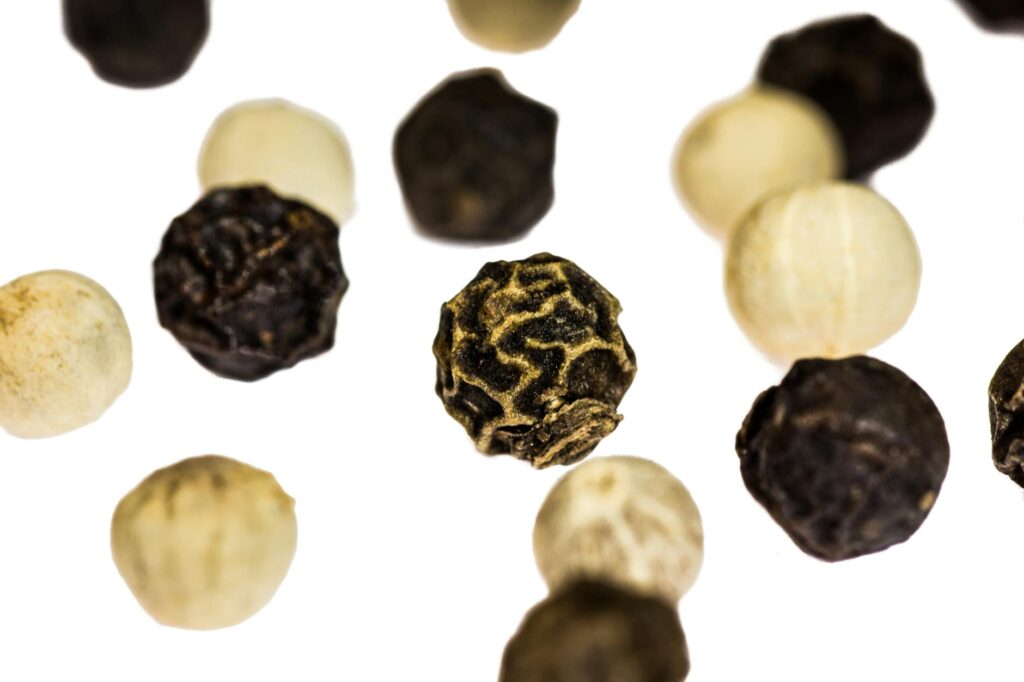
Everything You Need to Know About Kaleidoscope Pepper
Introduction
Kaleidoscope pepper is an intriguing variety of pepper that has captivated chefs, food enthusiasts, and home cooks alike with its vibrant colors and unique flavor profile. This article explores every aspect of kaleidoscope pepper, offering a comprehensive guide for anyone keen to learn about this remarkable ingredient. From its origins to its culinary applications, we will delve into the nuances that make kaleidoscope pepper a fascinating addition to any kitchen.
What Is Kaleidoscope Pepper?
Kaleidoscope pepper, sometimes referred to as ‘Rainbow pepper,’ is a colorful cultivar of the Capsicum annuum species. This pepper is characterized by its striking appearance, featuring a medley of colors ranging from green to yellow, orange, red, and even purple as it matures. The flavor profile of kaleidoscope pepper is equally diverse, offering a mild to moderate heat level along with a sweet, fruity undertone, making it versatile for various culinary applications.
History and Origins
The history of kaleidoscope pepper can be traced back to the rich agricultural traditions of Central and South America, where peppers have been cultivated for thousands of years. While specific records of kaleidoscope pepper are limited, it is believed to be a modern hybrid developed through selective breeding to enhance both aesthetic appeal and flavor. The popularity of kaleidoscope pepper has grown in recent years, particularly among gourmet chefs and farmers’ markets, as consumers seek out visually striking ingredients that add both taste and color to dishes.
Production and Processing
Kaleidoscope pepper thrives in warm climates, typically requiring a growing season of 70 to 90 days. It is commonly cultivated in greenhouses as well as outdoor gardens. The plants are relatively easy to grow, making them a popular choice among amateur gardeners.
Cultivation
Kaleidoscope peppers prefer well-drained soil rich in organic matter. The ideal pH level for cultivation is between 6.0 and 6.8. Regular watering is essential, particularly during dry spells, as consistent moisture helps the plants produce vibrant fruits. Fertilization is recommended to promote healthy growth, often using a balanced fertilizer.
Harvesting
Harvesting kaleidoscope peppers should occur when the fruits are firm and have reached their desired color. This can range from a bright green to a vibrant red, depending on the stage of ripeness. Generally, peppers are best harvested in the early morning when temperatures are cooler to maintain their freshness.
Processing
After harvesting, kaleidoscope peppers can be used fresh or processed into various forms, including dried, pickled, or ground into powder. The processing method chosen often depends on the intended use and desired flavor profile.
Quality and Grading
When assessing the quality of kaleidoscope peppers, several factors come into play:
1. Color: A vibrant mix of colors is ideal, indicating ripeness and flavor.
2. Firmness: Fresh peppers should feel firm and not have any soft spots or blemishes.
3. Size: While size can vary, uniformity in size is often preferred for culinary applications.
4. Freshness: Look for peppers that have been recently harvested, as older peppers will lose their flavor and texture.
Grading systems may vary by region, but generally, kaleidoscope peppers are classified into categories based on the above criteria, ensuring that consumers receive high-quality produce.
Buying Considerations
When purchasing kaleidoscope pepper, whether from a supermarket or farmers’ market, consider the following:
- Source: Opt for locally sourced products when possible to ensure freshness and support local agriculture.
- Seasonality: Kaleidoscope peppers are typically in season during the late summer to early fall months, though greenhouse varieties may be available year-round.
- Organic vs. Conventional: Organic peppers may be preferable for those seeking to avoid synthetic pesticides and fertilizers.
- Visual Inspection: Always inspect the peppers for firmness and color; avoid those that appear shriveled or have dark spots.
- Culinary Applications: Kaleidoscope pepper can be used in stir-fries, grilled dishes, or roasted as a side. Its vibrant colors add an aesthetic appeal when used as a garnish or in salads.
- Preservation: Dried kaleidoscope peppers can be ground into a powder for seasoning or used in spice blends, while pickled versions can serve as tangy accompaniments to various dishes.
- Fresh Peppers: Store fresh kaleidoscope peppers in the refrigerator, ideally in a vegetable crisper drawer. They can last up to one week when stored properly.
- Dried Peppers: Dried kaleidoscope peppers should be kept in an airtight container in a cool, dark place. They can last for several months, although their flavor may diminish over time.
- Pickled Peppers: Once pickled, kaleidoscope peppers can be stored in the refrigerator for several weeks. The pickling process extends their shelf life and adds a unique flavor.
Uses and Applications
Kaleidoscope pepper is a versatile ingredient that can enhance a wide variety of dishes. Its striking colors make it an excellent choice for presentations in salads, salsas, and vegetable platters. The mild heat level and sweetness allow it to complement both savory and sweet dishes.
Storage and Shelf Life
Proper storage of kaleidoscope pepper is essential to maintain its flavor and texture:
Common Misconceptions
1. All Peppers Are Hot: Many people assume that all peppers, including kaleidoscope pepper, are spicy. In reality, kaleidoscope pepper offers a mild heat, making it accessible to those who may be sensitive to spiciness.
2. Kaleidoscope Pepper Is Just for Decoration: While its vibrant colors make it visually appealing, kaleidoscope pepper is also packed with flavor, making it a valuable ingredient in various culinary applications.
3. Kaleidoscope Pepper Is a Specific Variety: Some may confuse kaleidoscope pepper with other colorful pepper varieties. It is essential to recognize that while it is a unique cultivar, it is part of the broader Capsicum annuum family.
Frequently Asked Questions
1. What is the flavor profile of kaleidoscope pepper?
Kaleidoscope pepper has a mild to moderate heat level and offers a sweet, fruity flavor that complements a variety of dishes.
2. How do I know when kaleidoscope peppers are ripe?
Ripe kaleidoscope peppers will display vibrant colors, ranging from green to red, depending on the stage of ripeness. They should feel firm to the touch.
3. Can kaleidoscope peppers be grown indoors?
Yes, kaleidoscope peppers can be grown indoors in pots, provided they receive ample sunlight and warmth, as they thrive in warm conditions.
4. Are there any nutritional benefits to kaleidoscope pepper?
While this guide does not provide medical advice, kaleidoscope pepper is generally low in calories and rich in vitamins, making it a nutritious addition to a balanced diet.
5. How can I incorporate kaleidoscope pepper into my cooking?
Kaleidoscope pepper can be used in salads, stir-fries, salsas, and as a garnish for various dishes, thanks to its vibrant colors and mild flavor.
6. Is kaleidoscope pepper the same as bell pepper?
While both belong to the Capsicum annuum species, kaleidoscope pepper is a hybrid variety with a unique color pattern and flavor profile that distinguishes it from traditional bell peppers.
Conclusion
Kaleidoscope pepper is a remarkable ingredient that brings not only color but also flavor to the culinary world. Its unique attributes make it a favorite among chefs and home cooks alike. By understanding its history, cultivation, and uses, one can truly appreciate the value that kaleidoscope pepper adds to a dish. Whether you are looking to enhance your cooking or simply want to learn more about this vibrant pepper, this guide aims to provide you with all the essential information you need.