
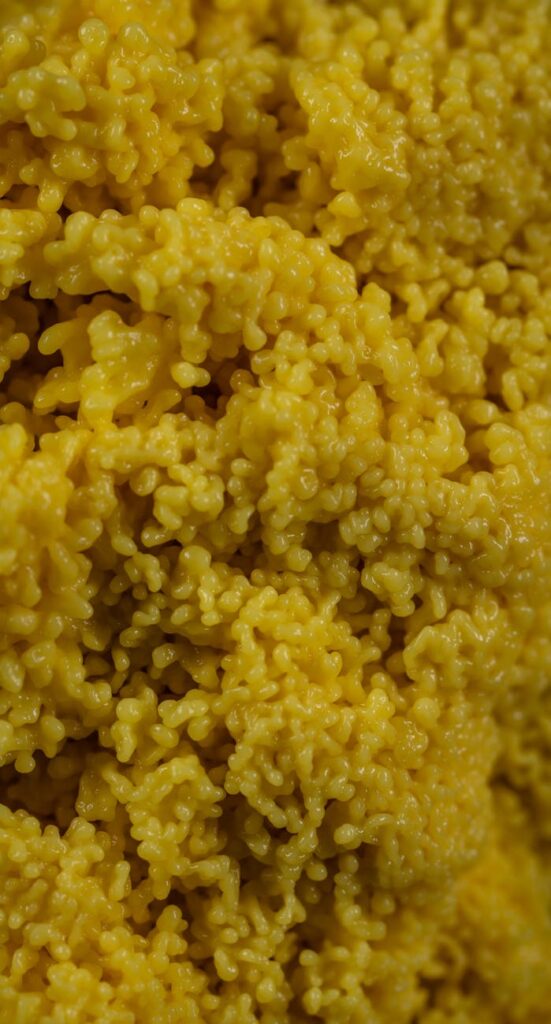
Everything You Need to Know About Kefir Grains
Introduction
Kefir grains are a unique combination of bacteria and yeast that ferment milk or water, resulting in a tangy, effervescent beverage known as kefir. These grains are not grains in the traditional sense but rather a symbiotic culture of lactic acid bacteria and yeasts (SCOBY). Their popularity has surged in recent years due to their purported health benefits and versatility in culinary applications. This article serves as a comprehensive guide to kefir grains, covering their history, production, uses, storage, and more.
What Is Guides?
In the culinary world, guides refer to comprehensive resources that provide detailed information about specific ingredients, techniques, or culinary practices. They serve to educate chefs, home cooks, and food enthusiasts, enabling them to make informed choices about the ingredients they use. The guide on kefir grains aims to illuminate their characteristics, benefits, and applications in the culinary landscape.
History and Origins
Kefir grains have a rich history that dates back over a thousand years, originating from the North Caucasus region, particularly in areas of modern-day Russia, Georgia, and Turkey. Local populations have long used these grains to ferment milk, creating a nutritious beverage that was valued for its probiotic properties. The word “kefir” is believed to derive from the Turkish word “keif,” which means “good feeling,” a nod to the drink’s invigorating qualities.
Traditionally, kefir was passed down through generations, with families often safeguarding their starter grains as treasures. The grains themselves are a gelatinous mass resembling small cauliflower florets, and the fermentation process typically involves cow, goat, or sheep milk, although water-based variations exist as well. Over the years, kefir grains have spread across the globe, now enjoyed in various forms and flavors in many cultures.
Production and Processing
The production of kefir grains is a fascinating process that begins with the fermentation of milk or sugar-water solutions. The grains consist of a complex matrix of proteins, lipids, and polysaccharides, primarily composed of a polysaccharide called kefiran. This matrix protects the microorganisms within the grains, allowing them to thrive during fermentation.
Fermentation Process
1. Inoculation: To start the fermentation process, kefir grains are added to a suitable liquid—typically milk or a sugar-water solution. The grains will consume the lactose in milk or sugars in water, producing lactic acid, carbon dioxide, and alcohol as byproducts.
2. Fermentation Time: The fermentation period can vary from 12 to 48 hours, depending on the desired taste and texture. A shorter fermentation period yields a milder, creamier kefir, while a longer duration results in a tangier and more effervescent drink.
3. Straining: Once fermentation is complete, the kefir is strained to separate the grains from the liquid. The grains can then be reused for subsequent batches.
Equipment and Environment
The production of kefir grains requires minimal equipment—typically a glass jar, a strainer, and a spoon. It’s essential to use non-metallic utensils to avoid damaging the grains. The fermentation process should occur in a warm, draft-free environment, ideally between 68°F and 85°F (20°C to 30°C), as temperature can significantly affect fermentation rates.
Quality and Grading
The quality of kefir grains can vary significantly based on factors such as the source, handling, and environmental conditions during fermentation. High-quality grains should be plump, gelatinous, and free from off-putting odors.
Grading Criteria
1. Microbial Diversity: A good kefir grain culture will exhibit a wide range of beneficial bacteria and yeasts, contributing to the complexity of flavors and health benefits.
2. Texture and Appearance: Quality grains are typically firm and have a smooth, shiny surface. They should not appear dry or disintegrated.
3. Fermentation Rate: Efficient grains will ferment liquids within a reasonable time frame, demonstrating active and healthy cultures.
4. Flavor Profile: High-quality kefir should have a pleasant, tangy taste, without any off-flavors that might indicate spoilage.
Buying Considerations
When purchasing kefir grains, one should consider several factors to ensure the selection of high-quality products:
1. Source: Look for reputable suppliers who specialize in fermentation products. It’s beneficial to choose grains that have been cultivated and handled properly.
2. Type: Decide whether you want milk kefir grains or water kefir grains. Milk grains are suitable for dairy fermentation, while water grains are ideal for sugar-water solutions.
3. Freshness: Fresh grains are more effective for fermentation. Ensure that the grains are recently harvested and stored correctly.
4. Community Feedback: Check reviews and testimonials from other users to gauge the reliability and quality of the grains.
5. Sustainability: Consider suppliers who practice sustainable harvesting methods, as this can impact the quality and longevity of your kefir culture.
Uses and Applications
Kefir grains are not just limited to making kefir; they have various culinary applications. Their fermentation abilities lend themselves to several innovative uses:
1. Beverages: The primary use of kefir grains is to produce kefir drinks from milk or water. These beverages can be flavored with fruits, herbs, or spices to create a refreshing drink.
2. Baking: Kefir can be used in baking, replacing buttermilk or yogurt in recipes for pancakes, muffins, or bread, imparting a moist texture and a subtle tang.
3. Dressings and Marinades: The acidity of kefir makes it an excellent base for salad dressings and marinades, enhancing flavors while providing a probiotic boost.
4. Fermented Foods