
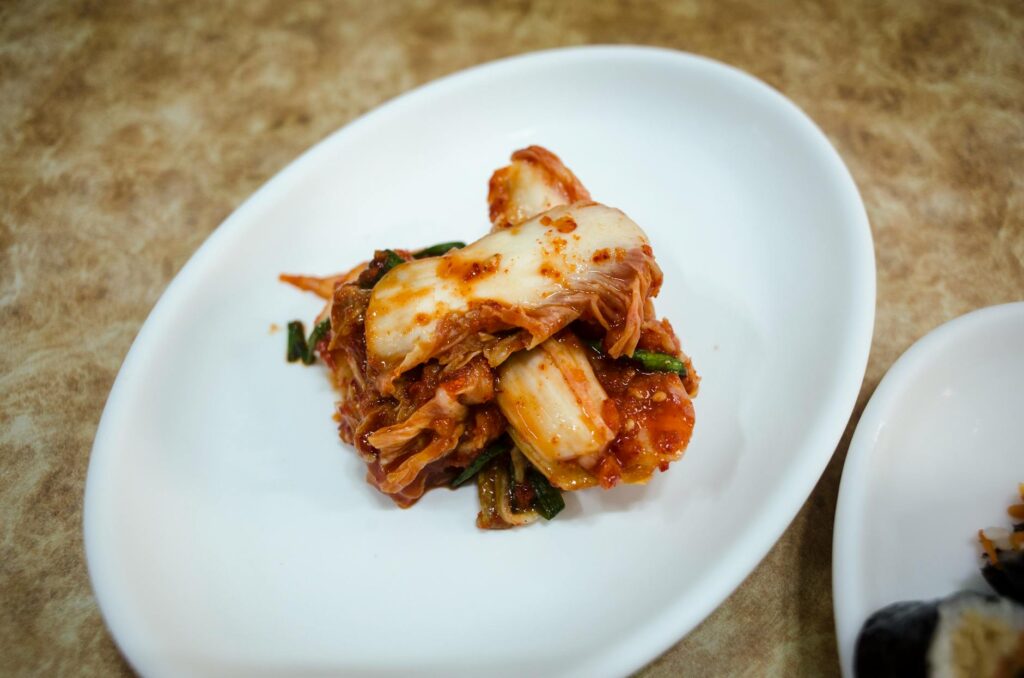
Everything You Need to Know About Kimchi
Introduction
Kimchi is more than just a staple side dish in Korean cuisine; it is a cultural icon that embodies the rich history and culinary diversity of Korea. This fermented vegetable dish, primarily made from napa cabbage and radishes, is celebrated for its complex flavors, vibrant colors, and myriad health benefits. As interest in global culinary traditions grows, so does the appreciation for kimchi’s unique qualities. This article serves as a comprehensive guide to kimchi, exploring its history, production, quality considerations, and much more.
What Is Kimchi?
Kimchi is a traditional Korean dish made from fermented vegetables, predominantly napa cabbage and Korean radishes, seasoned with a variety of spices, including red chili pepper, garlic, ginger, and fish sauce. The fermentation process not only enhances its flavor but also adds probiotic qualities, making it a popular choice among health-conscious consumers. Kimchi is served as a banchan (side dish) in Korean meals but is also incorporated into a wide range of dishes, from stews and fried rice to pancakes and salads.
History and Origins
The origins of kimchi can be traced back over two thousand years to ancient Korea, where early forms of fermented vegetables were used as a means of food preservation. The earliest known records of kimchi date back to the Three Kingdoms period (57 BC – 668 AD) in Korea, primarily as a method to extend the shelf life of vegetables during harsh winters.
Over the centuries, kimchi evolved significantly, influenced by regional ingredients, climatic conditions, and cultural exchanges. The introduction of chili peppers from the Americas in the 17th century marked a pivotal moment in kimchi’s history, transforming its flavor profile and leading to the creation of the fiery varieties we know today. As Korea underwent significant societal changes, including colonization and globalization, kimchi became a symbol of national identity, reflecting the resilience and adaptability of Korean culture.
Production and Processing
The production of kimchi involves several key steps, each contributing to the flavor and texture of the final product.
1. Preparation of Vegetables: Fresh napa cabbage is typically halved or quartered and salted to draw out moisture. This process, known as salting, is crucial for creating the ideal texture and enhancing the fermentation process.
2. Spice Mixture: A spice paste is prepared using ingredients like Korean red pepper flakes (gochugaru), garlic, ginger, and fish sauce. This blend varies by region and family traditions, showcasing the diversity of kimchi.
3. Mixing and Fermentation: The salted cabbage is then mixed with the spice paste and other ingredients, which can include scallions, carrots, and even fruits like pears. The mixture is packed tightly into jars or containers, allowing air to escape while preventing oxidation. Fermentation can take place at room temperature for several days before being stored in a cooler environment.
4. Aging: Kimchi can be consumed fresh or allowed to age for weeks to months, developing a more intense flavor over time. The length of fermentation can vary depending on personal preference and desired taste profiles.
Quality and Grading
The quality of kimchi is determined by several factors, including freshness of ingredients, balance of flavors, and fermentation process. In South Korea, there are formal grading systems for kimchi, which assess its taste, aroma, color, and texture. High-quality kimchi should have a well-rounded flavor, a vibrant color, and a satisfying crunch.
When purchasing kimchi, consider the following quality indicators:
- Freshness of Ingredients: Look for kimchi made from fresh, locally sourced vegetables, as this significantly impacts flavor and texture.
- Fermentation Level: Depending on your taste preferences, you may choose between fresh (less fermented) and aged (more sour) varieties.
- Ingredient Transparency: High-quality kimchi will list its ingredients clearly, allowing consumers to make informed choices, especially regarding allergens and dietary preferences.
- Side Dish: Traditionally served as a banchan, kimchi complements a wide range of Korean dishes, enhancing flavor and providing a crunchy texture.
- Cooking Ingredient: Kimchi can be incorporated into soups, stews, and stir-fries, adding depth and umami flavor. Kimchi jjigae, a kimchi stew, is a beloved comfort food in Korea.
- Toppings and Garnishes: Use kimchi as a topping for rice bowls, tacos, or burgers to add a spicy, tangy kick.
- Fusion Dishes: Innovative chefs worldwide are incorporating kimchi into non-Korean cuisines, using it in dishes like kimchi quesadillas, kimchi fried rice, and even pizza.
Buying Considerations
When seeking to purchase kimchi, consider the following aspects to ensure you choose a high-quality product:
1. Type of Kimchi: There are numerous variations of kimchi, such as baechu (napa cabbage), kkakdugi (cubed radish), and oi sobagi (cucumber). Determine which type best suits your culinary needs.
2. Packaging: Opt for kimchi packaged in glass jars or vacuum-sealed bags to maintain freshness. Avoid products that are overly processed or contain artificial preservatives.
3. Local vs. Imported: While many international brands offer kimchi, local varieties may provide a more authentic taste and support local producers. Additionally, freshly made kimchi from local markets often has superior flavor and texture.
4. Taste Before You Buy: If possible, sample the kimchi before purchasing. This will give you insight into its flavor profile, spice level, and overall quality.
Uses and Applications
Kimchi is a versatile ingredient that can be used in a variety of culinary applications. Here are some popular uses:
Storage and Shelf Life
Proper storage is crucial