
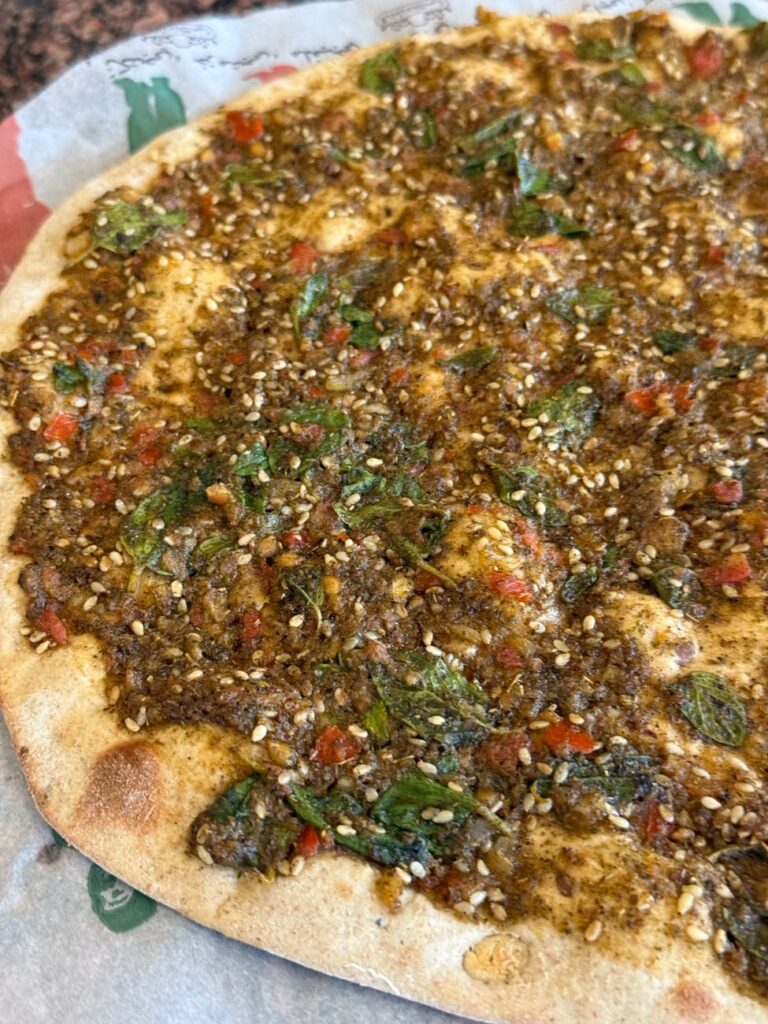
Everything You Need to Know About Lebanese Bread
Introduction
Lebanese bread, often referred to as “pita” or “khubz,” is an essential staple in Lebanese cuisine and the broader Middle Eastern culinary landscape. Characterized by its round shape, soft texture, and unique ability to form a pocket, Lebanese bread is more than just a side dish; it serves as a vehicle for various fillings, dips, and spreads. This article delves into the multifaceted world of Lebanese bread, offering insights into its history, production methods, quality standards, and culinary applications.
What Is Guides?
“Guides” in the context of Lebanese bread refers to comprehensive resources that inform consumers and culinary enthusiasts about the various aspects of this traditional ingredient. These guides cover everything from the historical significance of Lebanese bread to its production processes, quality grading, and practical applications in the kitchen. They serve as an invaluable tool for anyone looking to deepen their knowledge and appreciation of this beloved bread.
History and Origins
The history of Lebanese bread can be traced back thousands of years, intertwining with the rich tapestry of Middle Eastern civilizations. The origins of flatbreads like Lebanese bread can be found in ancient Mesopotamia, where people first began to cultivate grains. Over the centuries, various cultures have influenced the way bread is made and consumed, with Lebanese bread emerging as a distinct variety.
Lebanese bread is traditionally baked in a clay oven called a “tannour,” which imparts a unique flavor and texture to the bread. The use of the tannour dates back to ancient times, and its continued usage today speaks to the cultural significance of bread in Lebanese society. The bread is often associated with communal eating, symbolizing hospitality, unity, and the sharing of meals.
Production and Processing
The production of Lebanese bread involves several key steps, each contributing to its characteristic flavor and texture.
Ingredients
The primary ingredients for Lebanese bread are flour, water, yeast, and salt. While white flour is commonly used, whole wheat variations are also available, providing a nuttier flavor and added nutritional benefits.
Dough Preparation
The first step in production is mixing the ingredients to create a dough. The dough is then kneaded to develop gluten, which gives the bread its structure and elasticity. This process is crucial, as it allows the bread to puff up during baking, forming the iconic pocket.
Fermentation
Following kneading, the dough undergoes fermentation. This process allows the yeast to activate, producing carbon dioxide and causing the dough to rise. Depending on the desired flavor profile, fermentation can last anywhere from a few hours to overnight.
Shaping and Baking
Once the dough has risen, it is divided into small portions, shaped into rounds, and rolled out into flat discs. The bread is then baked at high temperatures, traditionally in a tannour. This method ensures that the bread cooks quickly and evenly, resulting in a soft interior and a slightly charred exterior.
Cooling and Packaging
After baking, the bread must cool before being packaged. Proper cooling is essential to maintain the bread’s texture and prevent sogginess. Once cooled, the bread is typically stored in plastic or paper bags to preserve its freshness.
Quality and Grading
The quality of Lebanese bread can vary significantly based on several factors, including the type of flour used, the fermentation process, and the baking method. Here are some criteria for assessing quality:
Texture
High-quality Lebanese bread should have a soft and chewy texture. The interior should be airy and light, with a well-defined pocket.
Flavor
The flavor should be mild yet distinct, often enhanced by the baking method. Bread baked in a traditional tannour often has a smoky aroma and a slight crispness.
Appearance
Lebanese bread should be golden brown, with a few dark spots indicating a well-cooked exterior. An even thickness is also important for uniform cooking.
Aroma
A freshly baked loaf should emit a warm, inviting aroma, indicative of its quality and freshness.
Buying Considerations
When purchasing Lebanese bread, whether from a bakery or a grocery store, consider the following factors:
Freshness
Opt for bread that has been recently baked. Fresh bread has a superior texture and flavor compared to stale options.
Packaging
Check the packaging for any signs of moisture or damage, which can affect the bread’s quality. Ideally, bread should be stored in a cool, dry place.
Ingredients
Read the ingredient list to ensure the bread does not contain unnecessary additives or preservatives. Authentic Lebanese bread typically consists of simple, natural ingredients.
Local vs. Imported
While many grocery stores offer imported Lebanese bread, sourcing from local bakeries can yield fresher options. Local bakeries often produce bread in smaller batches, ensuring quality.
Uses and Applications
Lebanese bread is incredibly versatile and can be utilized in numerous culinary applications:
Wraps and Sandwiches
The pocket formed in Lebanese bread makes it ideal for wraps and sandwiches. It can be filled with a variety of ingredients, from grilled meats to fresh vegetables.
Dipping
Lebanese bread is often served alongside dips such as hummus, baba ghanoush, and labneh. Its soft texture allows it to scoop up creamy spreads easily.
Side Dish
In many Lebanese meals, bread is served as a side, complementing main dishes like grilled kebabs or stews. It acts as both an accompaniment and a utensil.
Pizza Alternative
Lebanese bread can be used as a base for pizzas, offering a lighter and thinner alternative to traditional pizza crust.
Storage and Shelf Life
To maintain the freshness of Lebanese bread, proper storage is essential. Here are some guidelines:
Room Temperature
Freshly baked Lebanese bread can be stored at room temperature for up to three days. It should be kept in a sealed bag to prevent it from drying out.
Refrigeration
While refrigeration can extend the