
Everything You Need to Know About Lemons
Introduction
Lemons, with their bright yellow hue and tangy flavor, are a staple in kitchens worldwide. Revered not only for their culinary versatility but also for their aromatic zest and refreshing scent, lemons have secured a place of prominence in both cooking and baking. This article delves into the multifaceted world of lemons, covering their history, production, quality, buying considerations, and much more—providing a comprehensive guide to this beloved citrus fruit.
What Is Guides?
In the context of food ingredients, “Guides” serve as informative resources that educate consumers, chefs, and food enthusiasts about specific ingredients. They encompass a wide array of information, including the ingredient’s history, production methods, quality indicators, and practical applications. For lemons, a guide helps demystify this ubiquitous fruit, allowing users to maximize its culinary potential while understanding its journey from farm to table.
History and Origins
Lemons (Citrus limon) are believed to have originated in the regions of Southeast Asia, particularly in India, China, and Malaysia. The fruit made its way to the Mediterranean through trade routes around the first century AD, where it was cultivated for its unique flavor and aroma. Historical texts suggest that lemons were valued not only as a food item but also for their medicinal properties, a trend that would continue for centuries.
By the 15th century, lemons were introduced to the Americas, largely through Spanish explorers. Over time, they became a vital crop, particularly in California and Florida, where the climate proved ideal for lemon cultivation. Today, lemons are grown in various parts of the world, including Italy, Argentina, and Mexico, each region contributing its unique varietals and flavors.
Production and Processing
Lemon production primarily occurs in warm, temperate climates. The United States, particularly California, is one of the largest producers, followed by countries like Spain and Argentina. The cultivation process begins with the planting of grafted trees, which typically bear fruit in about three to four years.
Lemon trees thrive in well-drained soil and require ample sunlight and regular watering. Harvesting usually occurs twice a year, with the peak season depending on the variety and region. Once harvested, lemons are washed, sorted, and graded based on size, color, and quality before being packaged for distribution.
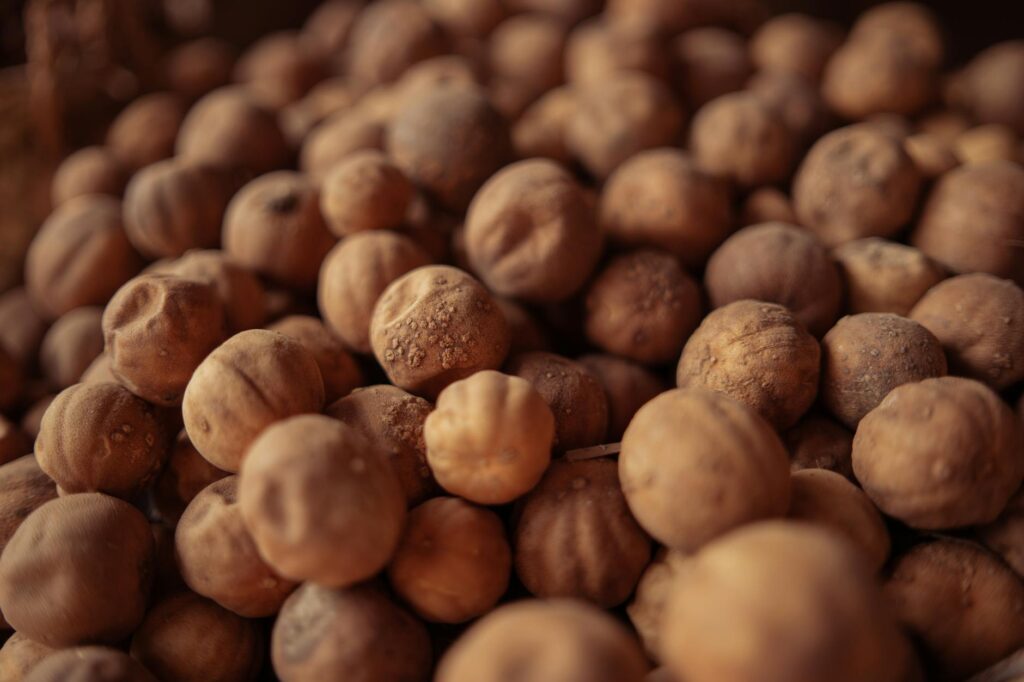
Processing lemons can involve several methods depending on their intended use. Fresh lemons may be sold whole, while others are juiced, zested, or dehydrated. Lemon oil, extracted from the rind, is also a popular product, utilized in flavoring and fragrance industries.
Quality and Grading
The quality of lemons is assessed based on several factors, including appearance, firmness, and internal quality. Higher-quality lemons are typically bright yellow in color, free from blemishes, and firm to the touch.
Grading systems vary by country, but many adhere to standards set by organizations such as the United States Department of Agriculture (USDA). Lemons are often classified into different grades:
- U.S. Fancy: The highest quality, characterized by a smooth skin, uniform color, and excellent flavor.
- U.S. No. 1: Slightly lower than Fancy but still of good quality, with minor blemishes allowed.
- U.S. No. 2: Lower quality, often with more visible imperfections but still usable.
- Flavoring: Lemons are used to enhance the flavor of dishes, from savory to sweet. Their juice and zest are often found in dressings, marinades, and desserts.
- Beverages: Lemon juice is a key ingredient in beverages such as lemonade, cocktails, and teas. The fruit’s acidity helps balance flavors and adds a refreshing element.
- Preservation: The acidity in lemons acts as a natural preservative, helping to prevent browning in fruits and vegetables. They are often used in canning and pickling processes.
- Cleaning: Lemon juice has natural antibacterial properties, making it a popular ingredient in homemade cleaning solutions.
- Aromatherapy: The refreshing scent of lemon is often used in aromatherapy and essential oils, known for its uplifting qualities.
- Cosmetics: Lemon extracts are commonly found in beauty products for their astringent and brightening effects.
- Room Temperature: Fresh lemons can be stored at room temperature for about a week. However, they may dry out quicker in warm environments.
- Refrigeration: For longer storage, lemons should be kept in the refrigerator. When placed in a plastic bag, they can last up to four weeks.
- Sliced or Juiced Lemons: Once
Understanding these grading systems can help consumers make informed purchasing decisions, ensuring they select the best lemons for their needs.
Buying Considerations
When purchasing lemons, several factors should be taken into account to ensure quality and freshness:
1. Appearance: Seek lemons that are bright yellow and firm to the touch. Avoid those with green patches or heavy blemishing.
2. Weight: A heavier lemon often indicates juiciness. Pick lemons that feel dense and substantial.
3. Texture: The skin should be slightly bumpy, as this indicates a healthy fruit. Smooth-skinned lemons may be overripe.
4. Organic vs. Conventional: Organic lemons are grown without synthetic pesticides or fertilizers. If you prefer organic options, look for appropriate certifications.
5. Seasonality: Depending on the variety, lemons may have specific peak seasons. Understanding when lemons are in season can help you find the freshest produce.
Uses and Applications
Lemons are incredibly versatile and find applications across various culinary and non-culinary domains:
Culinary Uses
Non-Culinary Uses
Storage and Shelf Life
Proper storage is essential for maintaining the quality of lemons. Here are some guidelines: