
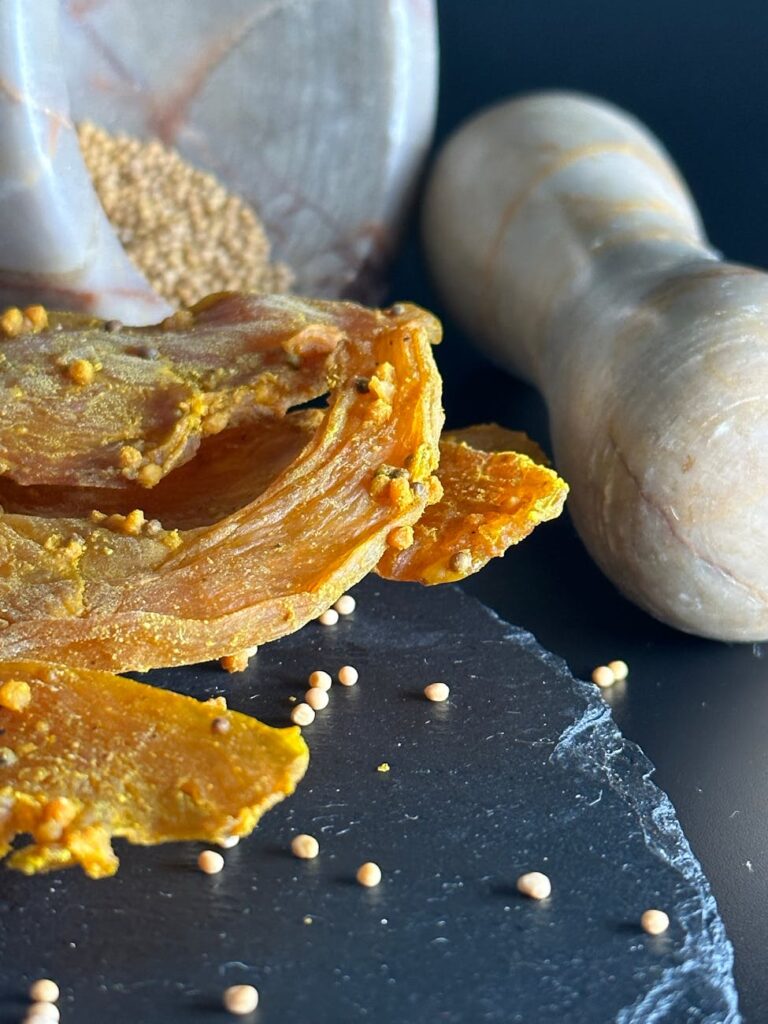
Everything You Need to Know About Mango
Introduction
Mango, often referred to as the “king of fruits,” is cherished worldwide for its succulent sweetness, vibrant color, and versatility. This tropical stone fruit has a rich history and diverse applications that extend far beyond just a delightful snack. In this comprehensive guide, we will delve into the various facets of mango, from its origins to its culinary uses, ensuring that both food enthusiasts and professionals alike gain a deeper understanding of this beloved ingredient.
What Is Mango?
Mango (Mangifera indica) is a tropical fruit that belongs to the Anacardiaceae family, which includes other notable fruits like cashews and pistachios. Characterized by its large, oval shape, smooth skin, and fibrous flesh, mango can vary in color from green to yellow, orange, or red, depending on the variety. The fruit typically has a sweet, juicy pulp that makes it a favorite in both sweet and savory dishes.
Mangoes are not just delicious; they are also a rich source of vitamins A and C, dietary fiber, and various antioxidants, which contribute to their popularity in culinary applications and health-conscious diets.
History and Origins
The history of mango can be traced back over 4,000 years to the Indian subcontinent, where it was first cultivated. Ancient texts and artifacts suggest that mangoes were revered not only for their taste but also for their symbolic significance in Hindu culture. The mango tree is often associated with love and fertility, appearing in various myths and religious ceremonies.
From India, mango cultivation spread to Southeast Asia, the Middle East, and eventually to tropical regions around the globe. Today, major mango-producing countries include India, China, Thailand, Indonesia, and the Philippines, with India being the largest producer, contributing over 40% of the world’s mango supply.
Production and Processing
Mango production primarily occurs in tropical and subtropical climates, where the conditions are ideal for growth. The mango tree thrives in well-drained soil and requires a warm climate to produce high-quality fruits.
Cultivation
Mango trees can be grown from seeds or cuttings, with the latter method often preferred for commercial production due to its ability to ensure the propagation of specific varieties. The trees require careful management, including irrigation, pest control, and pruning, to maximize yield. Harvesting typically occurs when the fruit is mature but still firm, as mangoes will ripen off the tree.
Processing
Once harvested, mangoes undergo various processing methods depending on their intended use. Fresh mangoes may be sorted, washed, and packaged for distribution, while others may be processed into dried mango, mango puree, or juices. These products are popular in both domestic and export markets, contributing to the global mango trade.
Quality and Grading
The quality of mangoes is determined by several factors, including size, color, firmness, and sugar content. Various grading systems exist to classify mangoes based on these attributes, which can vary by region.
Grading Standards
1. USDA Standards: In the United States, the USDA has established grading standards for mangoes, which categorize them into U.S. Fancy, U.S. No. 1, and U.S. No. 2 based on appearance, ripeness, and damage.
2. International Standards: The International Organization for Standardization (ISO) also provides guidelines for mango grading, focusing on size, weight, and external quality.
Mangoes that meet higher grading standards are generally sold at premium prices, reflecting their desirability in the market.
Buying Considerations
When purchasing mangoes, several factors should be considered to ensure quality and flavor:
Appearance
Look for mangoes that exhibit vibrant color and a smooth skin surface. Avoid those with dark spots or blemishes, which may indicate overripeness or damage.
Firmness
Choose mangoes that yield slightly to gentle pressure but are not overly soft. This indicates that the fruit is ripe yet still has a good texture for consumption.
Aroma
A ripe mango will emit a sweet, fruity fragrance near the stem end. A lack of scent may indicate that the fruit is unripe.
Variety
Familiarizing oneself with different mango varieties can enhance the buying experience. Popular varieties include:
- Haden: Known for its sweet flavor and juicy flesh.
- Tommy Atkins: A widely available variety, often favored for its shelf life.
- Alphonso: Renowned for its rich flavor and smooth texture, often considered one of the best mango varieties.
- Room Temperature: Store unripe mangoes in a cool, dry place, away from direct sunlight.
- Refrigeration: Once ripe, mangoes can be placed in the refrigerator to slow down the ripening process. It’s advisable to consume them within 3 to 5 days for optimal flavor and texture.
Uses and Applications
Mango is an incredibly versatile ingredient that finds its way into an array of culinary applications, spanning both sweet and savory dishes.
Culinary Uses
1. Culinary Dishes: Mango can be used in salads, salsas, smoothies, and desserts. Its natural sweetness complements spicy and savory flavors, making it a popular ingredient in Asian and Latin American cuisines.
2. Beverages: Mango juice and smoothies are refreshing choices, while mango-flavored cocktails and mocktails add a tropical twist to beverages.
3. Condiments: Mango chutney is a traditional condiment that pairs beautifully with meats, curries, and rice dishes.
Non-Culinary Uses
Beyond the kitchen, mangoes are also utilized in cosmetics and skincare products. The fruit’s natural oils and vitamins are believed to nourish and hydrate the skin, making mango extract a popular ingredient in lotions, soaps, and hair care products.
Storage and Shelf Life
Proper storage is crucial to maintaining the flavor and quality of mangoes.
Ripening
Mangoes can be ripened at room temperature, typically taking 4 to 7 days. Once ripe, they can be refrigerated to extend their shelf life by a few days.
Storage Tips
Common Misconceptions
Despite its popularity, several misconceptions surround mangoes:
1. Mangoes Are Only Available in Summer: While mangoes are often associated with summer, many varieties are available year-round, thanks to global production.
2. All Mangoes Taste the Same: In reality, the flavor and texture of mangoes can vary significantly by variety. Some are sweet and creamy, while others may have a tangy or fibrous texture.
3. Mangoes Are High in Calories: While mangoes do contain natural sugars, they are low in calories compared to many processed snacks, making them a healthy choice when consumed in moderation.
Frequently Asked Questions
1. How do I know when a mango is ripe?
A ripe mango will yield slightly to gentle pressure, emit a sweet aroma, and exhibit vibrant color.
2. Can I eat mango skin?
While mango skin is edible, it may contain urushiol, a compound that can cause allergic reactions in some individuals. It is often recommended to peel the mango before consumption.
3. What are the different varieties of mango, and how do they differ?
Mango varieties differ in flavor, texture, and color. Popular types include Haden, Tommy Atkins, and Alphonso, each with unique characteristics.
4. How should I store mangoes?
Unripe mangoes should be stored at room temperature, while ripe mangoes can be refrigerated to prolong freshness. Consume ripe mangoes within 3 to 5 days.
5. Can mangoes be frozen?
Yes, mangoes can be frozen to preserve their freshness. It is advisable to peel and cut them into cubes before freezing for easy use later.
6. What are some common culinary uses for mangoes?
Mangoes are versatile and can be used in salads, smoothies, desserts, salsas, and even as condiments like chutney. They pair well with both sweet and savory dishes.
Conclusion
Mangoes are more than just a delicious fruit; they embody a rich history, extensive cultural significance, and numerous culinary applications. Understanding the nuances of this tropical delight—from its origins and production to storage and uses—can elevate one’s appreciation of mangoes as an ingredient. Whether enjoyed fresh, dried, or in beverage form, mangoes continue to captivate palates around the world.