
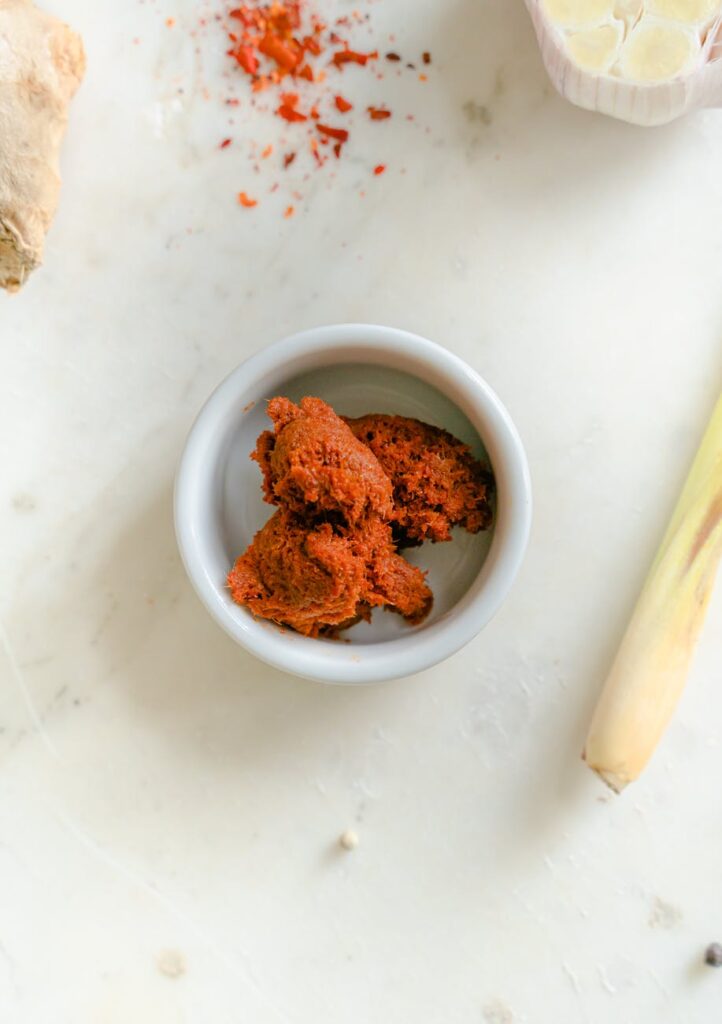
Everything You Need to Know About Miso
Introduction
Miso, a staple in Japanese cuisine, has gained international recognition for its unique flavor profile and versatility. This fermented soybean paste is more than just a seasoning; it embodies a rich history, diverse applications, and an array of health benefits. Whether you are a culinary professional or a home cook, understanding miso can elevate your cooking and deepen your appreciation for this traditional ingredient.
What Is Miso?
Miso is a traditional Japanese condiment made by fermenting soybeans with salt and the fungus Aspergillus oryzae. It is often combined with other ingredients, such as rice or barley, to create various types of miso. The fermentation process not only preserves the soybeans but also enhances their flavor and nutritional value. Miso is characterized by its umami taste, which adds depth to dishes ranging from soups to marinades and dressings.
History and Origins
The origins of miso can be traced back over 1,300 years to ancient China, where fermented soybean products were first developed. The practice eventually spread to Japan, where it evolved into the miso we know today. By the 7th century, miso had become integral to Japanese cuisine, with various regional styles emerging over the centuries.
In Japan, miso is not just a food product; it carries cultural significance. Traditionally, families would prepare miso in large batches, often using recipes passed down through generations. The ingredient is also celebrated in various Japanese festivals and ceremonies, symbolizing sustenance and prosperity.
Production and Processing
The production of miso involves several key steps:
1. Ingredient Selection: High-quality soybeans are essential. Other grains, such as rice or barley, can be added depending on the desired type of miso.
2. Cooking and Soaking: Soybeans are soaked in water and then cooked until soft. This process softens the beans and prepares them for fermentation.
3. Inoculation: The cooked soybeans are mixed with koji, a starter culture made from cooked grains inoculated with Aspergillus oryzae. This mold is crucial for the fermentation process.
4. Fermentation: The mixture is combined with salt and placed in fermentation vessels, where it can age for several months to several years. The length of fermentation affects the flavor and color of the miso.
5. Final Processing: Once fermentation is complete, the miso is ground to the desired consistency, packaged, and ready for distribution.
The intricacies of miso production can vary widely, leading to an array of flavors, colors, and textures. These variations are often categorized into different types of miso, including white (shiro), red (aka), and mixed (awase) miso.
Quality and Grading
Quality miso is defined by its flavor, aroma, and texture. Factors influencing quality include the source of the soybeans, the fermentation process, and the type of koji used.
There are several grading systems for miso, often based on color and flavor intensity:
- White Miso (Shiro Miso): Generally sweeter and milder, it is made with a higher proportion of rice koji and shorter fermentation time.
- Red Miso (Aka Miso): Darker and richer, it has a longer fermentation period and is made with a higher proportion of soybeans, resulting in a more robust flavor.
- Mixed Miso (Awase Miso): A blend of white and red miso, offering a balance of sweetness and umami.
- Soups: Miso is famously used in miso soup, where it is dissolved in dashi (Japanese soup stock) to create a savory broth.
- Marinades: Miso can be mixed with various ingredients (like sake, mirin, or sesame oil) to create flavorful marinades for meats, fish, and vegetables.
- Dressings: Emulsify miso with oils and vinegar to create rich salad dressings or dipping sauces.
- Spreads: It can be blended with butter or cream cheese to make a savory spread for bread and crackers.
- Seasoning: Use miso as a seasoning in stews, stir-fries, or even as a flavor enhancer for sauces.
- Refrigeration: Once opened, miso should be stored in the refrigerator, where it can remain fresh for up to a year. Ensure it is tightly sealed to prevent exposure to air, which
When purchasing miso, look for products labeled as “naturally fermented” without artificial additives. The absence of preservatives is often an indicator of higher quality.
Buying Considerations
When shopping for miso, consider the following factors:
1. Type of Miso: Determine which type suits your culinary needs—white for light dishes, red for hearty recipes, and mixed for versatility.
2. Texture: Miso can be smooth or chunky. Choose a texture that aligns with your intended application.
3. Brand Reputation: Research brands that prioritize traditional fermentation methods and organic ingredients.
4. Packaging: Miso is often sold in tubs or vacuum-sealed packages. Ensure that the packaging is intact to maintain freshness.
5. Expiration Date: While miso has a long shelf life due to its fermentation, always check the expiration date for optimal flavor.
Uses and Applications
Miso’s versatility extends beyond traditional Japanese dishes. Here are some of the ways it can be utilized:
The depth and complexity of miso’s flavor allow it to complement both traditional Japanese dishes and modern culinary creations, making it a key ingredient for chefs and home cooks alike.
Storage and Shelf Life
Miso is a fermented product, which grants it a long shelf life. However, proper storage is crucial to maintaining its quality: