
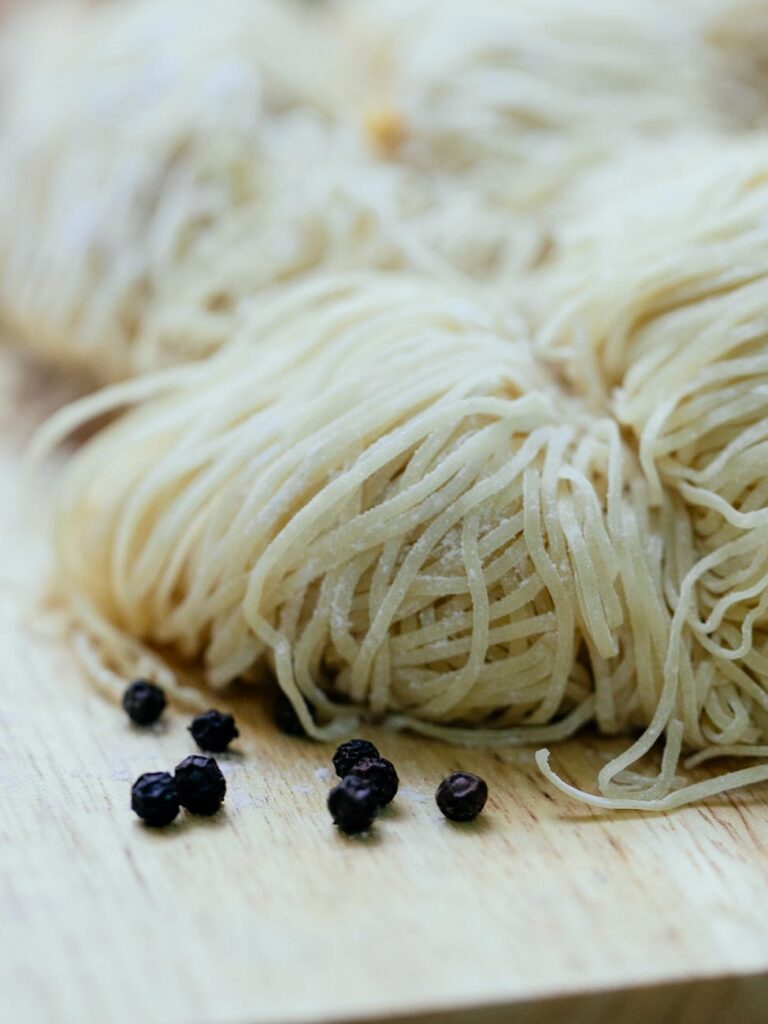
Everything You Need to Know About Miso Noodles
Introduction
Miso noodles are a unique culinary ingredient that combines the rich, umami flavor of miso with the comforting texture of noodles. Originating from Japan, these noodles have gained popularity worldwide due to their versatility and health benefits. This article delves into the intricate details of miso noodles, covering their history, production processes, quality grading, and practical applications in the kitchen. By the end, readers will have a comprehensive understanding of this fascinating ingredient and how to incorporate it into their culinary repertoire.
What Is Miso Noodles?
Miso noodles are a type of noodle that is infused with miso, a fermented soybean paste that is a staple in Japanese cuisine. Miso itself varies in flavor and color, including types such as white (shiro), yellow (shinshu), and red (aka) miso, each offering distinct profiles that can enhance the taste of the noodles. The combination of miso with noodles creates a dish that not only satisfies hunger but also provides a depth of flavor that is both savory and complex.
Typically, miso noodles are made from wheat flour and water, with miso paste added during the mixing process. This incorporation gives the noodles their unique flavor and nutritional benefits, including protein, vitamins, and minerals. Miso noodles can be used in a variety of dishes, from soups and stir-fries to salads and cold noodle dishes.
History and Origins
The origins of miso can be traced back over a thousand years to ancient China, where it was initially used as a method of preserving food. The practice of miso fermentation eventually made its way to Japan, where it evolved into a key ingredient in various Japanese dishes. With the introduction of noodles to Japanese cuisine, likely influenced by Chinese culinary practices, the combination of miso and noodles became popular.
Historically, miso was considered a food for the elite, often reserved for special occasions. However, as miso production techniques improved and became more accessible, its use expanded throughout the Japanese diet. Miso noodles emerged as a popular dish in the 20th century, especially as Japanese cuisine garnered international attention.
Production and Processing
The production of miso noodles involves several key steps:
1. Miso Preparation: Miso is made by fermenting soybeans with a specific mold (Aspergillus oryzae), salt, and sometimes other grains like rice or barley. This fermentation process can take anywhere from a few months to several years, depending on the type of miso being produced.
2. Noodle Dough Creation: Wheat flour and water are mixed together to form a dough. The specific type of flour used can impact the texture and flavor of the final product.
3. Incorporation of Miso: The prepared miso paste is blended into the noodle dough, ensuring an even distribution of flavor throughout the noodles.
4. Noodle Shaping: The dough is then rolled out and cut into the desired noodle shape. This can vary from thick udon-style noodles to thin soba-style noodles, depending on regional preferences and culinary traditions.
5. Drying and Packaging: The noodles are typically dried to enhance their shelf life and facilitate easy storage. They are then packaged for distribution to consumers and culinary establishments.
Quality and Grading
Quality control is essential in the production of miso noodles. Factors that influence the quality include:
- Miso Quality: The type and quality of miso used can significantly affect the flavor and nutritional value of the noodles. Higher-grade miso often results in more complex flavors.
- Texture: Well-made noodles should have a firm yet tender texture, allowing them to hold sauces and other ingredients effectively.
- Color: The color of the noodles can vary depending on the type of miso used, ranging from light beige to deep brown.
- Soups: Miso noodles are a common addition to miso soup, enhancing the dish’s umami flavor. They can be combined with vegetables, tofu, and seaweed for a nutritious meal.
- Stir-Fries: These noodles work well in stir-fried dishes, absorbing flavors from sauces and accompanying ingredients.
- Salads: Cold miso noodle salads can be refreshing and satisfying, especially when paired with fresh vegetables and a light dressing.
- Noodle Bowls: Miso noodles can serve as the base for a variety of bowls, topped with proteins, vegetables, and sauces to create a balanced meal.
- Fusion Dishes: Chefs and home cooks alike are increasingly experimenting with miso noodles in non-traditional dishes, such as in Italian pasta or as a substitute for traditional ramen.
- Unopened Packages: Store in a cool, dry place, away from direct sunlight. Unopened packages can typically last for several months, depending on the manufacturer’s recommendations.
- Opened Packages: Once opened, transfer the noodles to an airtight container if the original packaging is not resealable. Store in a cool, dry place, and use within a few weeks for the best flavor and texture.
- Refrigeration: While refrigeration is not generally necessary, it can extend the shelf life of opened packages in humid climates.
- Freezing: Miso noodles can be frozen if needed. Ensure they are well-sealed to prevent freezer burn. When ready to use, thaw in the refrigerator or cook directly from frozen.
Grading systems for miso noodles are not standardized globally, but premium brands often provide information about the miso’s origin, fermentation time, and ingredient quality on their packaging. Consumers should look for clear labeling that indicates the type of miso used and any additional ingredients.
Buying Considerations
When purchasing miso noodles, there are several factors to consider:
1. Type of Miso: Different types of miso impart varying flavors. For example, white miso is sweeter and milder, while red miso is stronger and saltier. Select noodles based on the desired flavor profile of your dish.
2. Ingredients: Check the ingredient list for any additives or preservatives. Authentic miso noodles should primarily consist of wheat flour, water, and miso.
3. Brand Reputation: Buying from reputable brands can ensure higher quality and better flavor. Look for brands that specialize in traditional Japanese ingredients.
4. Packaging: Opt for vacuum-sealed or airtight packages to maintain freshness. Check the expiration date to ensure product quality.
5. Local vs. Imported: While imported miso noodles might offer authenticity, local artisans may provide high-quality alternatives that support local economies.
Uses and Applications
Miso noodles are remarkably versatile and can be used in various culinary contexts:
Storage and Shelf Life
Proper storage is crucial for maintaining the quality of miso noodles. Here are some guidelines:
Common Misconceptions
Despite their growing popularity, several misconceptions about miso noodles persist:
1. All Miso Noodles Are the Same: The flavor and texture of miso noodles can vary widely based on the type of miso used and the production techniques, making it essential to explore different varieties.
2. Miso Noodles Are Only for Asian Dishes: While they are commonly used in Asian cuisine, miso noodles can be incorporated into a wide range of dishes, including fusion cuisine and contemporary recipes.
3. Miso Noodles Are Unhealthy: Miso noodles can be a nutritious option, providing protein and other essential nutrients. However, like all foods, they should be consumed as part of a balanced diet.
4. Miso Is Only for Soup: While miso is a key ingredient in soup, miso noodles can be used in various applications, from salads to stir-fries.
5. Miso Noodles Are Time-Consuming to Prepare: Many commercially available miso noodles are pre-cooked or quick-cooking, making them convenient for busy kitchens.
Frequently Asked Questions
1. Are miso noodles gluten-free?
Most traditional miso noodles are made from wheat flour, making them unsuitable for those with gluten sensitivities. However, some brands may offer gluten-free alternatives; always check the packaging.
2. Can I make my own miso noodles at home?
Yes, making miso noodles at home is possible but requires some expertise in noodle-making and fermentation. You would need to prepare your own miso and noodle dough.
3. How do I cook miso noodles?
Cooking methods vary based on the type of noodles. Generally, boiling in salted water until al dente is recommended, followed by rinsing with cold water to halt cooking.
4. How do I know if miso noodles have gone bad?
Signs of spoilage include an off smell, discoloration, or an unusual texture. If in doubt, discard the noodles.
5. Can I use miso paste in place of miso noodles?
While miso paste can add flavor to dishes, it is not a substitute for miso noodles in recipes. The texture and culinary applications differ significantly.
6. Are there vegan options for miso noodles?
Yes, most miso noodles are vegan as they are typically made from wheat flour and miso paste. However, always verify the ingredients to ensure no animal products are included.
Conclusion
Miso noodles are a delightful and versatile ingredient that can elevate various dishes with their unique flavor and nutritional benefits. Understanding their history, production, and applications allows culinary enthusiasts to explore the possibilities that miso noodles present. As they continue to gain popularity, miso noodles stand as a testament to the beauty of cultural culinary exchange and the endless creativity within the kitchen.