
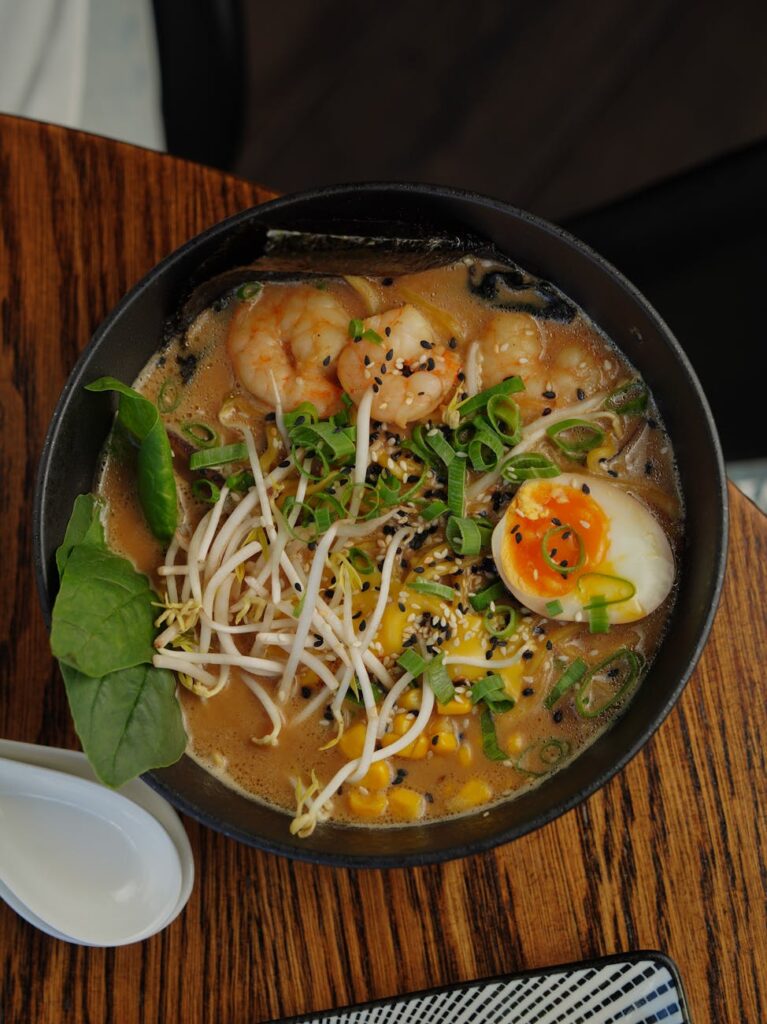
Everything You Need to Know About Miso Ramen Noodles
Introduction
Miso ramen noodles represent a delightful intersection of tradition and culinary innovation within Japanese cuisine. These noodles, characterized by their unique flavor profile and texture, serve as a base for miso ramen, a beloved dish that has captured the hearts of food enthusiasts worldwide. This article aims to provide a comprehensive overview of miso ramen noodles, covering their history, production methods, quality considerations, and much more.
What Is Miso Ramen Noodles?
Miso ramen noodles are a specific type of wheat noodle used primarily in miso ramen, a variation of the traditional Japanese noodle soup. Made from wheat flour, water, salt, and sometimes kansui—a type of alkaline mineral water—these noodles are known for their slightly chewy texture and ability to absorb the rich flavors of the miso broth. Miso, a fermented soybean paste, adds a robust umami flavor that enhances the overall experience of the dish.
History and Origins
The history of miso ramen noodles can be traced back to the early 20th century in Hokkaido, Japan. Miso itself has a much older heritage, with origins dating back over a thousand years. Initially, ramen was a dish brought to Japan from China, evolving over time into various regional styles. The introduction of miso into ramen is attributed to the post-World War II era when there was a need for affordable yet nutritious food. Miso ramen gained popularity as a hearty and flavorful option, especially in colder regions like Sapporo.
As ramen culture expanded throughout Japan in the latter half of the 20th century, miso ramen noodles began to gain recognition, leading to the proliferation of ramen shops dedicated to this particular style. Today, miso ramen is a staple in Japanese cuisine, celebrated for its comforting properties and depth of flavor.
Production and Processing
The production of miso ramen noodles involves several key steps, each contributing to the final product’s quality and characteristics. The primary ingredients are wheat flour, water, salt, and kansui, which helps create the unique texture of ramen noodles.
1. Mixing Ingredients: The first step in noodle production involves combining wheat flour with water and salt. The addition of kansui is crucial as it alters the pH of the dough, resulting in a firmer texture and a slight yellow hue.
2. Kneading: The dough is then kneaded, a process that develops gluten, which provides the chewy texture associated with ramen noodles.
3. Resting: After kneading, the dough is allowed to rest, which helps relax the gluten, making it easier to roll out.
4. Rolling and Cutting: The rested dough is rolled out into thin sheets and then cut into noodle strands, typically ranging from 1.2 to 3 mm in thickness, depending on regional preferences.
5. Drying: The cut noodles can either be used fresh or dried for longer shelf life. Drying removes moisture, allowing for storage and transport without spoilage.
Quality and Grading
The quality of miso ramen noodles can vary significantly based on various factors, including the type of wheat used, the production methods, and the presence of additives. High-quality miso ramen noodles:
- Texture: Should have a firm, chewy texture that holds up well in broth.
- Color: Typically exhibit a slight yellow hue due to the kansui.
- Flavor: Should possess a subtle wheat flavor that complements the miso broth without overpowering it.
- Soups and Broths: Beyond miso ramen, these noodles can complement other types of soups, such as tonkotsu or shoyu ramen.
- Stir-Fries: Cooked miso ramen noodles can be stir-fried with vegetables and proteins, offering a different texture and flavor profile.
- Cold Dishes: When cooked and chilled, miso ramen noodles can be served cold with dipping sauces, making for a refreshing summer dish.
- Fresh Noodles: These should be stored in the refrigerator and are best consumed within a week. If you wish to extend their shelf life, consider freezing them, which can maintain texture and flavor for up to three months.
- Dried Noodles: When stored in a cool, dry place, dried miso ramen noodles can last for up to a year or more. Ensure the package is sealed tightly to prevent moisture absorption.
Grading systems for ramen noodles are not universally standardized. However, gourmet ramen establishments often source their noodles from specialized producers who adhere to traditional methods, ensuring superior quality and consistency.
Buying Considerations
When purchasing miso ramen noodles, consider the following factors to ensure you select the best product:
1. Fresh vs. Dried: Fresh noodles offer a superior texture and flavor, but dried noodles have a longer shelf life and are often more convenient.
2. Ingredient Quality: Look for noodles made with high-quality wheat flour and minimal additives. Check the packaging for details on the ingredients used.
3. Thickness and Shape: Miso ramen noodles come in various thicknesses. Choose a thickness that matches your intended dish or personal preference.
4. Brand Reputation: Established brands with a good reputation in ramen production often provide higher-quality noodles.
5. Storage Options: Consider how you plan to store the noodles. Fresh noodles require refrigeration, while dried noodles can be kept in a cool, dry place.
Uses and Applications
Miso ramen noodles are primarily used in miso ramen, but their versatility allows for various culinary applications:
Their unique texture and flavor make them suitable for a range of dishes, allowing chefs to experiment creatively.
Storage and Shelf Life
Storage practices for miso ramen noodles greatly depend on whether they are fresh or dried:
Common Misconceptions
Despite their