
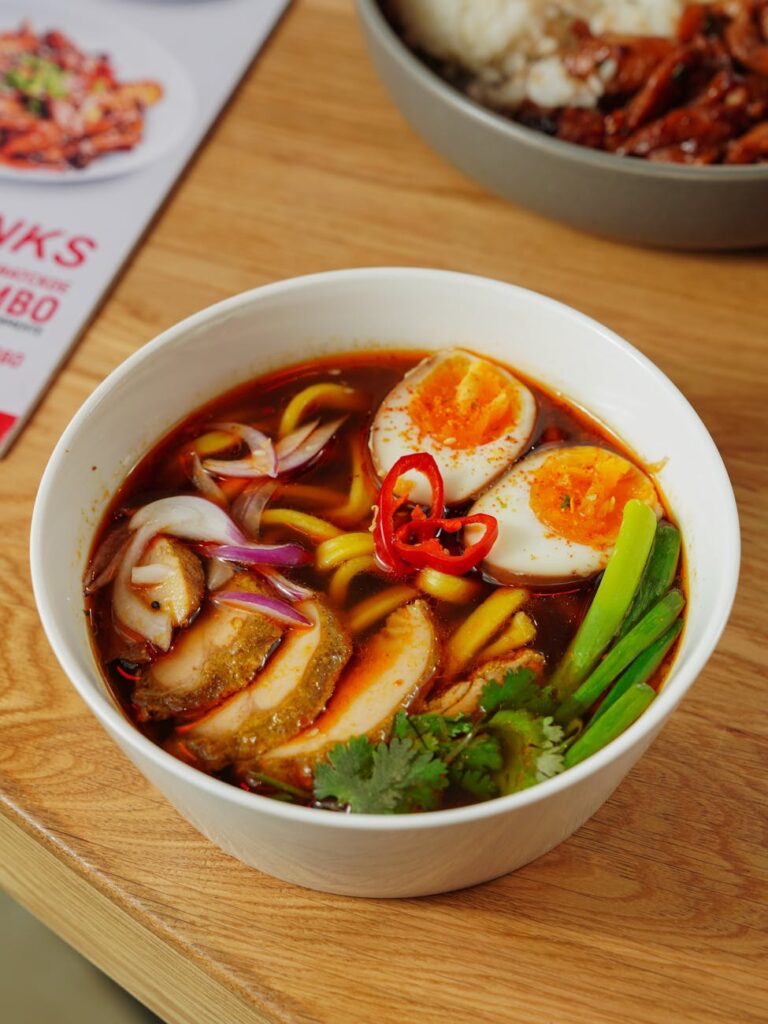
Everything You Need to Know About Miso Ramen
Introduction
Miso ramen has carved a unique niche in the world of Japanese cuisine, celebrated for its rich, umami-packed flavor and comforting warmth. Born from a blend of tradition and innovation, miso ramen stands as a testament to the versatility of ramen as a dish. This article delves into the intricacies of miso ramen, exploring its historical roots, production methods, and culinary applications, while providing guidance for enthusiasts and chefs alike.
What Is Miso Ramen?
Miso ramen is a variation of the traditional Japanese noodle soup known as ramen, characterized by its use of miso paste as a primary ingredient. Miso, a fermented soybean paste, imparts a savory depth of flavor that distinguishes miso ramen from its counterparts, such as shoyu (soy sauce) and shio (salt) ramen. The dish typically features wheat noodles, a rich broth, and a medley of toppings, including vegetables, meat, and egg, creating a balanced and satisfying meal.
History and Origins
The history of miso ramen is interwoven with the broader narrative of ramen itself. While ramen’s origins can be traced back to Chinese wheat noodles introduced to Japan in the late 19th century, miso ramen emerged as a distinctly Japanese interpretation during the 20th century.
The first documented instance of miso ramen dates back to the post-World War II era, specifically in Hokkaido, Japan. The city of Sapporo is credited with popularizing this variant, where chefs sought to create a nourishing dish that could warm the body during the harsh winters. The combination of hearty miso broth and thick, chewy noodles quickly gained traction, leading to the establishment of numerous ramen shops dedicated to this flavorful dish.
As miso ramen spread throughout Japan, regional interpretations began to emerge, reflecting local ingredients and culinary traditions. Today, miso ramen is enjoyed both in Japan and internationally, with chefs experimenting with flavors and presentations that honor its roots while pushing culinary boundaries.
Production and Processing
The production of miso ramen involves several key components: miso paste, ramen noodles, and the broth. Each of these elements plays a crucial role in defining the dish’s flavor profile.
Miso Paste
Miso is made through a fermentation process that combines soybeans, salt, and a specific type of mold known as koji. The length of fermentation can vary, producing different types of miso, including white (shiro), red (aka), and mixed (awase) miso. Each type has its unique flavor and saltiness, allowing chefs to tailor the broth according to their preferences.
Ramen Noodles
The noodles used in miso ramen are typically made from wheat flour, water, salt, and kansui, an alkaline mineral water that gives ramen its distinctive texture and chewiness. The dough is kneaded, rolled, and cut into strands of varying thickness, contributing to the overall mouthfeel of the dish.
Broth
The broth for miso ramen is usually a combination of water, dashi (a Japanese stock made from seaweed and bonito flakes), and miso paste. The base can be enriched with additional ingredients such as pork or chicken bones, vegetables, and spices, allowing for a complex layering of flavors. The cooking process involves simmering the broth to extract maximum flavor before incorporating the miso paste, which is added towards the end to preserve its aromatic qualities.
Quality and Grading
The quality of miso ramen can be assessed through several factors, including the quality of the ingredients, the balance of flavors, and the texture of the noodles.
Ingredients
High-quality miso paste should have a deep color and a complex aroma, indicating proper fermentation. When selecting miso, look for artisanal brands that use organic soybeans and minimal additives. The noodles should be fresh, with a pleasant elasticity that allows them to absorb the broth while retaining their structure.
Flavor Balance
A well-crafted miso ramen will strike a balance between the saltiness of miso, the umami of the broth, and the freshness of the toppings. The flavor should be rich but not overpowering, allowing each component to shine.
Texture
The texture of the noodles is vital; they should be al dente, providing a satisfying bite. The broth should be silky and cohesive, enveloping the noodles without being too heavy.
Buying Considerations
When purchasing miso ramen, whether in a restaurant or grocery store, there are several considerations to keep in mind:
Freshness
If buying fresh noodles, ensure they are produced locally and have a short shelf life. Fresh noodles typically provide a superior texture and flavor compared to dried varieties.
Miso Quality
When selecting miso paste, opt for varieties that are minimally processed. Taste different types of miso to find one that suits your palate, as each type will impart a different flavor to the broth.
Toppings
Consider the quality and freshness of the toppings. Traditional options include sliced pork (chashu), green onions, bamboo shoots, and soft-boiled eggs. Look for seasonal vegetables to enhance the dish’s overall appeal.
Uses and Applications
Miso ramen is not just a meal; it’s a canvas for culinary creativity. While the traditional presentation features specific toppings, chefs worldwide have adapted the dish to incorporate local ingredients and flavors.
Customization
The beauty of miso ramen lies in its versatility. Chefs can experiment with different types of miso, noodle thickness, and broth bases to craft unique interpretations. Vegetarian and vegan variations are also increasingly popular, utilizing vegetable broths and plant-based toppings.
Pairing
Miso ramen pairs beautifully with a variety of beverages, from Japanese beers to sake. Additionally, side dishes like gyoza (dumplings) or edamame can complement the meal, enhancing the dining experience.
Storage and Shelf Life
Proper storage is crucial for maintaining the quality of miso ramen components:
Miso Paste
Unopened miso paste can last for several months in the refrigerator, while opened containers should ideally be consumed within three to six months. Always seal the container tightly and minimize exposure to air to prevent spoilage.
Ramen Noodles
Fresh ramen noodles should be consumed within a few days of purchase. If you have excess dried noodles, they can be stored in a cool, dry place for several months.
Broth
Homemade broth can be refrigerated for up to a week or frozen for longer storage. When reheating, ensure that it reaches a rolling boil to eliminate any potential bacteria.
Common Misconceptions
Despite its popularity, several misconceptions about miso ramen persist:
Miso Ramen Is Always Spicy
While some interpretations of miso ramen incorporate spicy elements, traditional versions are not inherently spicy. The focus is on the rich, savory flavor of the miso.
All Miso Is the Same
Miso varies significantly in flavor, color, and texture based on its ingredients and fermentation time. Each type of miso imparts a distinct character to the dish.
Miso Ramen Is Unhealthy
The nutritional profile of miso ramen can vary widely based on the ingredients used. When made with quality ingredients and balanced toppings, it can be a nutritious meal option.
Frequently Asked Questions (FAQs)
1. What is the difference between miso ramen and other types of ramen?
Miso ramen uses miso paste as the primary flavoring for the broth, while other types, such as shoyu and shio ramen, use soy sauce and salt, respectively.
2. Can miso ramen be made vegetarian?
Yes, miso ramen can be easily adapted to vegetarian or vegan diets by using vegetable broth and plant-based toppings.
3. What are the best toppings for miso ramen?
Traditional toppings include chashu (braised pork), green onions, soft-boiled eggs, and bamboo shoots. However, feel free to experiment with seasonal vegetables and alternative proteins.
4. How can I tell if miso paste is still good?
Check for changes in color, smell, or texture. If it has an off odor or shows signs of mold, it should be discarded.
5. Is miso ramen gluten-free?
Traditional ramen noodles contain wheat, making them unsuitable for gluten-free diets. However, gluten-free noodles can be used as a substitute.
6. What are some popular variations of miso ramen?
Popular variations include spicy miso ramen, which incorporates chili paste, and creamy miso ramen that uses additional dairy or plant-based creams for a rich texture.
In conclusion, miso ramen stands as a beloved dish that embodies the spirit of Japanese cuisine while allowing for endless creativity in its preparation and presentation. Whether enjoyed in a bustling ramen shop or crafted at home, miso ramen offers warmth, comfort, and a delightful exploration of flavors.