
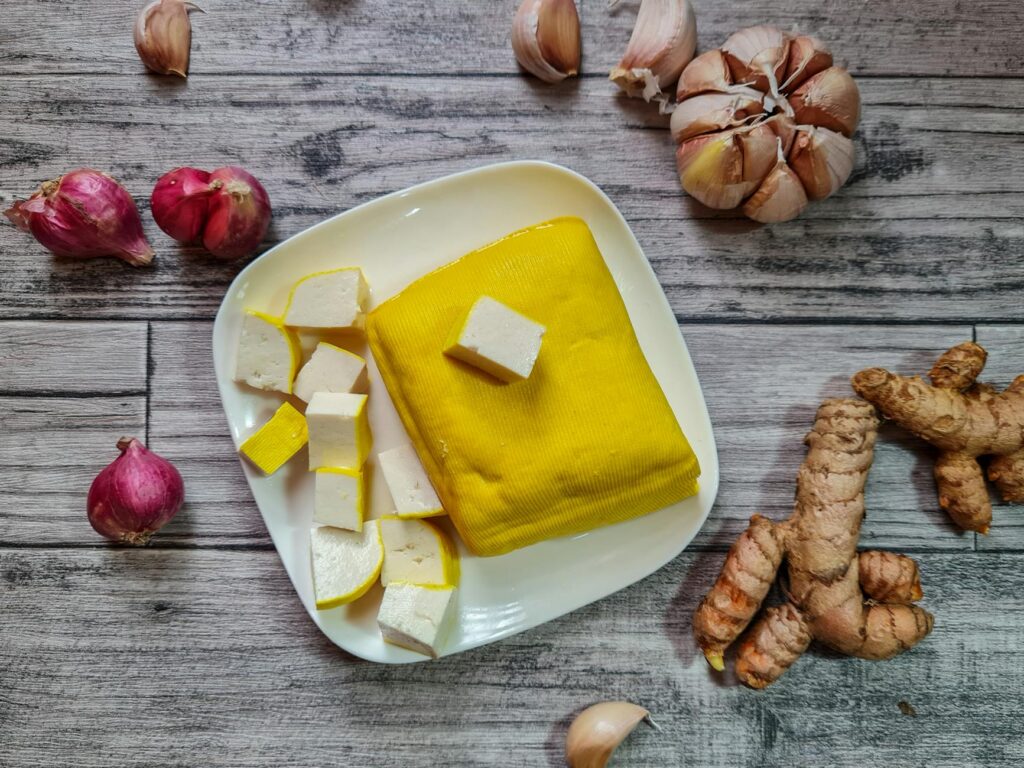
Everything You Need to Know About Miso Tofu Skin
Introduction
Miso tofu skin, often referred to as “yuba” or “tofu skin,” is a distinctive ingredient that combines the rich umami flavors of miso with the delicate, chewy texture of tofu skin. This versatile ingredient has gained popularity in various culinary traditions, particularly in East Asian cuisine. In this comprehensive guide, we will explore the intricacies of miso tofu skin, including its history, production, uses, and more, providing you with a thorough understanding of this unique food ingredient.
What Is Miso Tofu Skin?
Miso tofu skin is derived from the byproduct of tofu production, specifically from the soy milk that is extracted from soybeans. When soy milk is heated, a thin film of proteins forms on the surface, which is then collected and dried to create tofu skin. When miso is incorporated into this process, it infuses the tofu skin with depth and complexity, enhancing its flavor profile. Miso, a fermented soybean paste, contributes a savory, salty taste that complements the subtle nuttiness of the soy skin.
History and Origins
The origins of miso tofu skin can be traced back to traditional Japanese cuisine, where yuba has been a staple for centuries. Historically, yuba was utilized as a source of protein for Buddhist monks, who followed a vegetarian diet. The practice of making tofu and its skin has ancient roots, with records dating back to the Han Dynasty in China (206 BCE – 220 CE).
In Japan, the craft of yuba production is particularly refined, especially in regions like Kyoto, where artisans have perfected the art of making this delicate ingredient. The introduction of miso to yuba production is believed to have evolved over time, as culinary innovations merged traditional techniques with regional flavors, leading to the creation of miso tofu skin.
Production and Processing
The production of miso tofu skin involves several meticulous steps:
1. Soybean Preparation: High-quality soybeans are soaked and ground to extract soy milk.
2. Soy Milk Heating: The soy milk is heated gently, allowing a film to form on its surface.
3. Skin Collection: This film is carefully lifted off and laid flat to dry, forming the tofu skin.
4. Miso Infusion: During the drying process, miso can be added to the soy milk, allowing the flavors to meld and infuse into the skin.
5. Final Drying: The infused tofu skin is then dried completely, resulting in a product that is ready for packaging and distribution.
The quality of the miso used significantly impacts the flavor of the final product, making the selection of high-quality miso crucial in the production process.
Quality and Grading
The quality of miso tofu skin can vary based on several factors, including the type of soybeans used, the fermentation process of the miso, and the drying methods employed. Here are key aspects to consider when evaluating the quality of miso tofu skin:
- Texture: High-quality miso tofu skin should have a delicate, chewy texture that is not overly brittle or tough.
- Flavor: The flavor should be well-balanced, with the umami notes of miso harmonizing with the natural nuttiness of the soybeans.
- Appearance: The skin should be evenly dried, with a consistent color that ranges from pale yellow to light brown, indicating proper processing without burning.
- Ingredients: Look for products with minimal ingredients—ideally, just soybeans, water, and quality miso. Avoid those with artificial preservatives or additives.
- Source: Opt for products made by reputable brands or artisanal producers known for their traditional methods. Local markets or specialty Asian grocery stores often carry high-quality options.
- Packaging: Check for proper packaging that protects the product from moisture and light, which can degrade quality.
- Certifications: If applicable, look for organic or non-GMO certifications, which can indicate higher quality and better farming practices.
- Soups and Stews: It can be added to miso soup or other broths for additional texture and flavor.
- Salads: Rehydrated miso tofu skin can be sliced into strips and incorporated into salads, providing a chewy contrast to fresh vegetables.
- Stir-Fries: It can be stir-fried with vegetables and proteins, absorbing the flavors of sauces and spices.
- Sushi and Rolls: Miso tofu skin can serve as a filling or wrapper in sushi rolls, adding a unique taste dimension.
- Snacks: Dried miso tofu skin can be enjoyed as a healthy snack, seasoned with spices or enjoyed plain.
- Dry Miso Tofu Skin: Store unopened packages in a cool, dry place away from direct sunlight. Once opened, reseal the package tightly to prevent moisture absorption and store it in a cool, dry area.
- Rehydrated Miso Tofu Skin: After rehydration, it should be consumed promptly or refrigerated in an airtight container for up to three days.
Grading systems for miso tofu skin are not universally standardized, but producers often label their products based on the quality of the ingredients and the production methods used.
Buying Considerations
When purchasing miso tofu skin, consider the following factors to ensure you choose a high-quality product:
Uses and Applications
Miso tofu skin is a versatile ingredient that can be utilized in a variety of culinary applications:
The adaptability of miso tofu skin allows chefs and home cooks alike to experiment with flavors and textures in various culinary contexts.
Storage and Shelf Life
Proper storage is essential to maintain the quality and longevity of miso tofu skin. Here are some tips for optimal storage:
The shelf life of dried miso tofu skin can vary, but it generally lasts for