
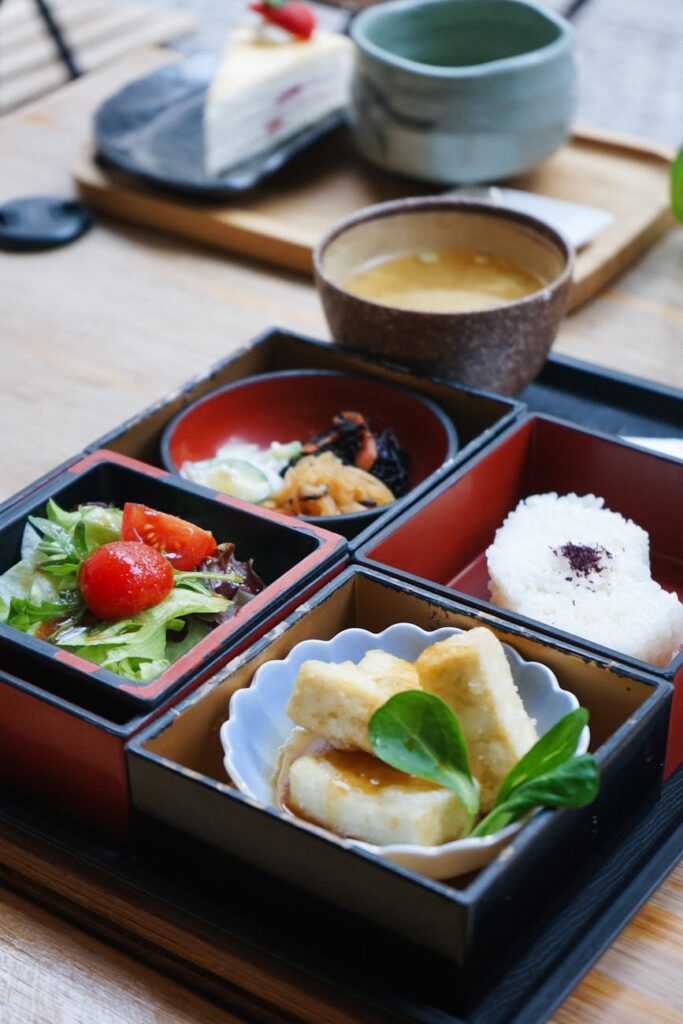
Everything You Need to Know About Miso Tofu
Introduction
Miso tofu is a unique ingredient that seamlessly combines the rich umami flavors of miso with the delicate texture of tofu. This fusion not only enhances the culinary experience but also reflects the cultural significance of both components in Asian cuisine. As the world becomes increasingly interested in plant-based diets and fermented foods, understanding miso tofu’s origins, production methods, and culinary applications becomes essential for both chefs and home cooks alike.
What Is Miso Tofu?
Miso tofu is essentially tofu that is marinated or blended with miso paste, a traditional Japanese condiment made from fermented soybeans, rice, or barley. The result is a savory, flavorful tofu that embodies the properties of both ingredients. Miso brings a depth of flavor characterized by its umami notes, while tofu contributes a neutral, creamy texture that absorbs flavors beautifully. This combination makes miso tofu a versatile ingredient in various dishes, from soups to stir-fries and salads.
History and Origins
The origins of miso date back over a thousand years in Japan, where it was initially used as a preserving agent. Tofu, on the other hand, has roots in China, with its introduction to Japan occurring around the 8th century. While the two ingredients originated independently, they became intertwined through culinary evolution in East Asian cuisine.
Miso tofu is a product of Japan’s rich culinary history, where fermentation and preservation were vital for food sustainability. The combination of miso and tofu reflects the Japanese philosophy of balancing flavors and textures, as well as the emphasis on healthful, plant-based ingredients. This fusion has gained popularity beyond Japan, influencing global culinary trends as more people explore vegetarian and vegan cooking.
Production and Processing
The production of miso tofu involves several steps, including the creation of miso paste and the preparation of tofu.
Miso Paste Production
1. Ingredients: Traditional miso is made from soybeans, koji (a mold used for fermentation), and salt. Variants may include rice or barley.
2. Fermentation: The soybeans are soaked, cooked, and then inoculated with koji. The mixture is allowed to ferment, often for months or even years, resulting in a rich, complex flavor profile.
3. Processing: After fermentation, the miso is ground into a paste and packaged for use.
Tofu Production
1. Soybean Preparation: Whole soybeans are soaked, ground, and boiled to create soy milk.
2. Coagulation: A coagulant, typically magnesium chloride or calcium sulfate, is added to the hot soy milk to curdle it, forming tofu.
3. Pressing: The curds are then pressed into blocks of tofu, which can vary in firmness depending on the amount of water extracted.
Combining Miso and Tofu
Once both components are prepared, miso can be blended or marinated with tofu, imparting its distinctive flavor. The mixture can either be left as a marinated product or processed further into miso tofu products, such as miso tofu spreads or flavored blocks.
Quality and Grading
Quality miso tofu can be assessed based on several criteria:
1. Flavor: A well-balanced flavor with a pronounced umami profile is essential. The taste should not be overly salty or sour.
2. Texture: High-quality miso tofu should have a smooth, creamy consistency. It should be neither too dry nor overly wet.
3. Color: The color of miso tofu can vary depending on the type of miso used (white, yellow, or red). Each color denotes a different flavor intensity.
4. Ingredients: Look for products that use natural ingredients without artificial preservatives or additives, as these can compromise flavor and health benefits.
5. Origin: Authentic Japanese miso tofu often signifies higher quality due to traditional production methods.
Buying Considerations
When purchasing miso tofu, several factors should be taken into account:
1. Type of Miso: Different miso types can vary significantly in flavor. White miso offers a sweeter taste, while red miso has a stronger, saltier profile. Choose based on your culinary needs.
2. Tofu Firmness: Miso tofu is available in various firmness levels—silken, soft, firm, and extra-firm. The choice depends on how you plan to cook it.
3. Packaging: Opt for products that are vacuum-sealed or stored in refrigerated sections, as this typically indicates freshness and quality.
4. Brand Reputation: Consider brands known for their quality ingredients and adherence to traditional production methods.
5. Labeling: Look for certifications or labels indicating organic, non-GMO, or gluten-free if these are important to you.
Uses and Applications
Miso tofu can be employed in a myriad of culinary applications, thanks to its versatile flavor profile.
1. Soups: Miso tofu can enhance traditional miso soup or serve as a protein-rich addition to other broth-based dishes.
2. Stir-Fries: Its ability to absorb flavors makes it an excellent choice for stir-fries, where it can be cooked with various vegetables and sauces.
3. Salads: Miso tofu can be crumbled into salads or served as a topping, adding both texture and taste.
4. Sandwiches and Wraps: Miso tofu can be sliced and added to sandwiches or wraps, offering a savory, plant-based protein option.
5. Dips and Spreads: Blending miso tofu with other ingredients can create flavorful dips and spreads suitable for appetizers.
6. Grilling and Roasting: The tofu can be marinated in additional miso or sauces and then grilled or roasted for a smoky flavor.
Storage and Shelf Life
To ensure the best quality and longevity of miso tofu, proper storage is crucial:
1. Refrigeration: Unopened miso tofu should be stored in a cool, dry place. Once opened, it must be refrigerated and consumed within a week or two for optimal flavor.
2. Freezing: Miso tofu can be frozen for extended storage. However, freezing may alter its texture, making it more crumbly.
3. Check Expiration Dates: Always check the expiration date printed on the packaging to ensure quality.
4. Storage Containers: If transferring to another container, make sure it is airtight to prevent moisture loss and flavor degradation.
Common Misconceptions
1. Miso Tofu Is Just Tofu with Miso: While it may seem straightforward, the fermentation process and the quality of ingredients play a significant role in the final flavor profile, making it a unique product.
2. All Miso Tofu Is Vegan: While traditional miso and tofu are plant-based, always check labels for any non-vegan additives that may be present in commercial products.
3. Miso Tofu Is Too Salty: The saltiness of miso tofu largely depends on the type of miso used. Choosing a sweeter miso can reduce perceived saltiness.
4. It’s Only for Asian Dishes: Miso tofu’s rich flavor makes it versatile in various global cuisines, not just Asian dishes.
5. Miso Tofu Is Difficult to Cook With: With its adaptability, miso tofu can easily be incorporated into many recipes without complex techniques.
Frequently Asked Questions
1. Can I make miso tofu at home?
Yes, you can marinate or blend tofu with miso paste to create your version of miso tofu at home.
2. What are the best types of dishes to use miso tofu in?
Miso tofu is versatile and can be used in soups, stir-fries, salads, and spreads.
3. Is miso tofu suitable for a gluten-free diet?
Check the label for gluten-free certification, as some miso pastes may contain barley or other gluten-containing grains.
4. How do I know if my miso tofu has gone bad?
Signs of spoilage include off smells, changes in texture, or discoloration. Always err on the side of caution.
5. Can I use miso paste instead of miso tofu in recipes?
Yes, but the texture will differ. Adjust the amount based on taste and desired consistency.
6. Are there any specific brands of miso tofu that are highly recommended?
While recommendations can vary, look for brands known for quality, such as Hodo, Nasoya, or local artisan producers.
Conclusion
Miso tofu is a remarkable ingredient that embodies the essence of East Asian culinary traditions. Its rich history, diverse applications, and unique flavor profile make it a valuable addition to both traditional and contemporary dishes. Whether you are a seasoned chef or a curious home cook, understanding miso tofu can elevate your culinary endeavors and introduce you to the world of umami-rich flavors.