
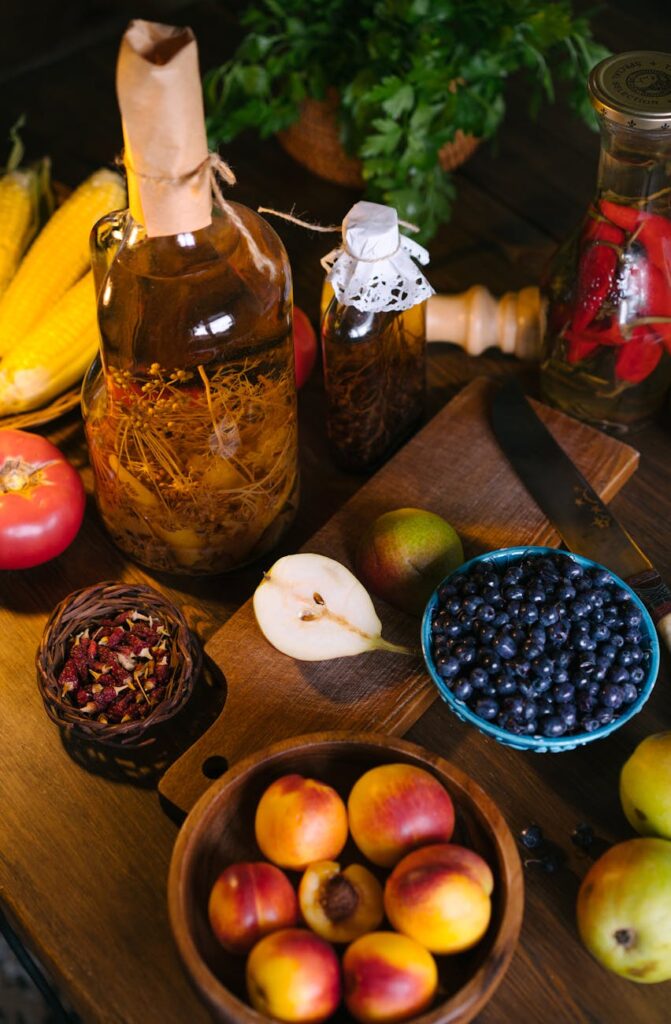
Everything You Need to Know About Nectarines
Introduction
Nectarines, with their smooth, velvety skin and juicy, aromatic flesh, are a favored stone fruit that captivates the senses. Often mistaken for peaches due to their close botanical relationship, nectarines offer a unique flavor profile and texture that sets them apart. This article delves into the intricacies of nectarines, exploring their history, production, quality grading, and much more to provide a comprehensive understanding of this delightful fruit.
What Is Guides?
Guides are comprehensive resources that provide detailed information about specific subjects, aiming to educate readers and enhance their understanding. In the context of food ingredients, guides can cover everything from cultivation practices and nutritional values to usage tips and storage guidelines. The purpose of a guide is to equip individuals—whether culinary professionals or home cooks—with valuable knowledge that enhances their culinary experiences.
History and Origins
Nectarines are believed to have originated in China over 2,000 years ago, where they were cultivated for their sweet and juicy flesh. The name “nectarine” is derived from the word “nectar,” reflecting the fruit’s luscious sweetness. Historical texts suggest that nectarines spread westward along trade routes, eventually making their way to Europe and the Americas.
The genetic distinction between nectarines and peaches lies in a single recessive gene that results in the absence of the characteristic fuzz found on peaches. This genetic mutation likely occurred naturally, leading to the development of nectarines as a separate fruit variety.
Production and Processing
Nectarines thrive in temperate climates with well-drained soil, requiring a chilling period during winter to ensure proper fruit development. They are cultivated in several regions around the world, with significant production in the United States, particularly California, as well as in countries like Italy, Spain, and China.
Nectarine trees typically bear fruit within three to four years after planting. Harvesting occurs in late summer when the fruit reaches its full color and firmness. Unlike peaches, nectarines are harvested at slightly firmer stages to prevent bruising during transportation.
Post-harvest, nectarines undergo a grading process that assesses their size, color, and blemish-free appearance. This grading is essential for ensuring that consumers receive high-quality fruit.
Quality and Grading
Quality grading for nectarines is crucial in determining market value. The USDA (United States Department of Agriculture) has established specific standards that categorize nectarines into several grades, including U.S. Extra Fancy, U.S. Fancy, and U.S. No. 1. These grades are based on criteria such as size, color, and the absence of defects.
- U.S. Extra Fancy: This is the highest grade, characterized by perfect shape, color, and size, with no blemishes or bruises.
- U.S. Fancy: These nectarines may have slight imperfections but still maintain good color and size.
- U.S. No. 1: This grade allows for more defects but still ensures the fruit is edible and flavorful.
- Fresh Eating: The most straightforward way to enjoy nectarines is to eat them fresh. Their sweet and juicy flesh makes them an excellent snack.
- Salads: Nectarines can add a refreshing sweetness to salads, pairing well with greens, nuts, and cheeses.
- Desserts: The fruit can be used in tarts, pies, and sorbets, providing a delightful contrast to richer flavors.
- Savory Dishes: They can complement savory dishes, such as grilled meats and vegetables, adding a touch of sweetness.
- Preserves and Sauces: Nectarines can be cooked down into jams or sauces, making them a delicious accompaniment for breakfast items or desserts.
- Ripening: If nectarines are not fully ripe, store them at room temperature until they soften. Once ripe, they can be transferred to the refrigerator to prolong their shelf life.
- Refrigeration: When stored in the fridge, nectarines can last up to a week. However, refrigeration may alter their texture, so consume them within a few days for the best experience.
- Freezing: For longer storage, nectarines can be frozen. It’s best to slice them, blanch briefly, and then freeze in airtight containers. This method preserves their flavor and texture for later use.
- N
Consumers should look for nectarines that are firm to the touch, have a vibrant color, and exhibit a pleasant aroma, as these are indicators of ripeness and quality.
Buying Considerations
When purchasing nectarines, several factors should be taken into account to ensure optimal quality and flavor:
1. Ripeness: Look for nectarines that yield slightly to gentle pressure, indicating they are ripe. Avoid overly soft or hard fruit.
2. Color: A rich, deep color is often a sign of good flavor. Depending on the variety, nectarines can range from yellow to red.
3. Surface Condition: Inspect the skin for blemishes, bruises, or wrinkles. A smooth, unblemished surface is an indicator of freshness.
4. Seasonality: Nectarines are typically in season from late spring through early fall, depending on the region. Purchasing during peak season often results in superior flavor and quality.
5. Origin: If possible, choose locally grown nectarines. They are likely to be fresher and have a smaller carbon footprint compared to imported options.
Uses and Applications
Nectarines are versatile fruits that can be enjoyed in various culinary applications. While this article does not delve into specific recipes, understanding their uses can enhance your appreciation of the fruit:
Storage and Shelf Life
Proper storage of nectarines is essential to maximize their freshness and flavor. Here are some guidelines to follow:
Common Misconceptions
Several misconceptions surround nectarines that can lead to confusion among consumers: