
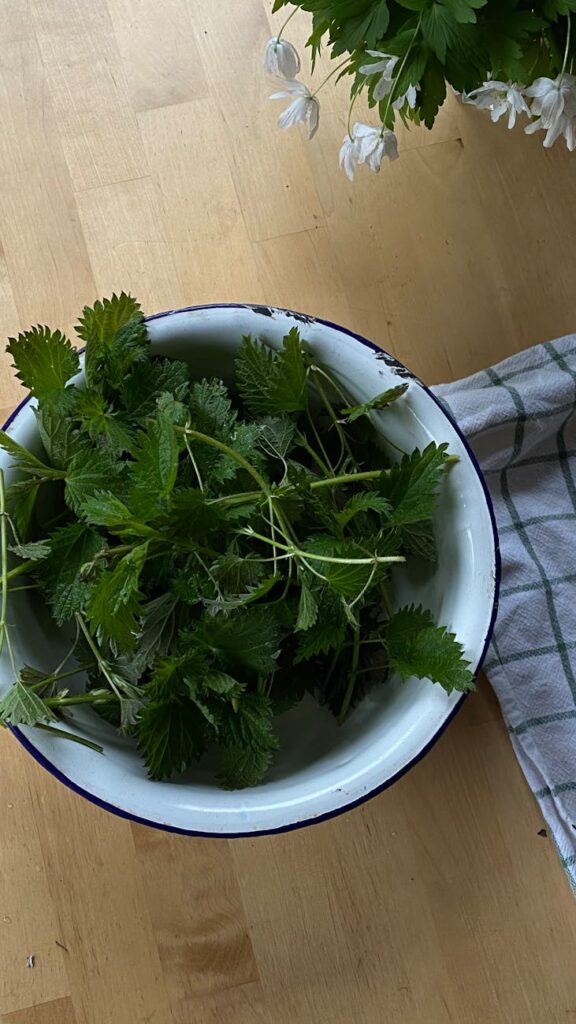
Everything You Need to Know About Nettles
Introduction
Nettles, belonging to the Urtica genus, are often overlooked in the culinary and medicinal worlds, yet they possess a rich history and an array of applications. These plants, primarily known for their stinging hairs, have been used for centuries in various cultures for nutritional, therapeutic, and practical purposes. This article serves as a comprehensive guide to nettles, exploring their history, production, uses, and more.
What Is Guides?
In this context, “Guides” refers to comprehensive resources that provide detailed information on specific topics. The purpose of a guide is to educate readers on the subject matter, outlining essential information, methods of use, and tips for maximization. Within the realm of food ingredients, guides serve to enhance understanding, promoting informed decision-making regarding selection, preparation, and application.
History and Origins
Nettles have a storied history that dates back thousands of years. Archaeological evidence suggests that they were used by ancient civilizations in Europe and Asia for food, textiles, and medicinal purposes. The Romans utilized nettles for their purported health benefits, and they were commonly included in traditional herbal medicine.
In the Middle Ages, nettles became a staple in the diet of the poor, especially in Europe, where they were often combined with other foraged greens. Their high nutritional value made them an excellent source of vitamins and minerals in times of scarcity. Nettles were also used in the production of textiles, such as nettle fiber, which was woven into cloth.
Today, nettles have regained popularity as a superfood and are recognized for their culinary versatility, nutritional profile, and ecological benefits.
Production and Processing
Nettles are typically harvested in the spring, when they are young and tender. This period is crucial for preserving their flavor and nutritional content. They can be found wild in various regions or cultivated in gardens. Wild harvesting requires a careful approach to avoid overharvesting and ensure sustainability.
Once harvested, nettles undergo minimal processing. Common methods include washing, blanching, and drying. Blanching helps neutralize the stinging properties of the plant, making it safe for consumption. Dried nettles can be ground into a powder or used as a tea, while fresh nettles can be incorporated into a variety of dishes.
Quality and Grading
The quality of nettles can vary significantly based on several factors, including the growing environment, harvesting methods, and processing techniques. High-quality nettles are vibrant green, tender, and free from blemishes. When selecting dried nettles, look for a fine texture and a rich green color, indicative of minimal oxidation.
Grading systems are not as standardized for nettles as they are for other crops, but premium products often highlight their origin, harvesting methods, and processing techniques. Buyers should seek out reputable suppliers who prioritize sustainable practices and quality control to ensure the best product.
Buying Considerations
When purchasing nettles, several factors should be considered to ensure the best quality and value:
1. Source: Look for nettles from organic or sustainably harvested sources. This is particularly important for wild-harvested varieties, as overharvesting can endanger local populations.
2. Fresh vs. Dried: Decide whether you prefer fresh or dried nettles. Fresh nettles are often more flavorful and nutritious, while dried nettles offer convenience and a longer shelf life.
3. Packaging: For dried nettles, opt for opaque packaging that protects against light, which can degrade quality over time. Ensure the packaging is sealed to prevent moisture absorption.
4. Seasonality: Fresh nettles are typically available in early spring. Dried nettles are available year-round, but seasonal fresh varieties are often more vibrant in flavor.
5. Local Availability: If possible, buy from local farmers or markets. This supports local agriculture and often results in fresher products.
6. Certification: Look for certifications that indicate organic or sustainable practices, which can provide assurance of quality and environmental responsibility.
Uses and Applications
Nettles are incredibly versatile, finding applications in various domains:
Culinary Uses
In the kitchen, nettles can be used in a variety of dishes. Their flavor is often described as earthy, similar to spinach but with a slightly more robust profile. Common culinary applications include:
- Soups and Stews: Nettles can be added to soups and stews, imparting flavor and nutrition.
- Pesto and Sauces: Blending nettles with nuts, cheese, and olive oil creates a unique pesto.
- Pasta and Risotto: Incorporating nettles into pasta or risotto adds color, flavor, and nutrients.
- Teas: Dried nettles make a nourishing herbal tea, reputed for its antioxidant properties.
- Textiles: Historically, nettles were used to produce a durable and strong fiber for clothing and textiles. Today, there is a renewed interest in sustainable textiles made from nettles.
- Animal Feed: Dried nettles can be used as a nutritious supplement in animal feed, particularly for poultry.
- Gardening: Nettles are often used in compost and as a natural fertilizer due to their high nitrogen content, promoting healthy plant growth.
Non-Culinary Uses
Beyond culinary applications, nettles have utility in various sectors:
Storage and Shelf Life
Fresh Nettles
Fresh nettles should be stored in the refrigerator, ideally wrapped in a damp paper towel and placed in a perforated plastic bag. This helps maintain humidity, keeping them fresh for up to a week. It is advisable to use fresh nettles as soon as possible to enjoy their peak flavor and nutritional benefits.
Dried Nettles
Dried nettles can be stored in an airtight container in a cool, dark place. When properly stored, they can