
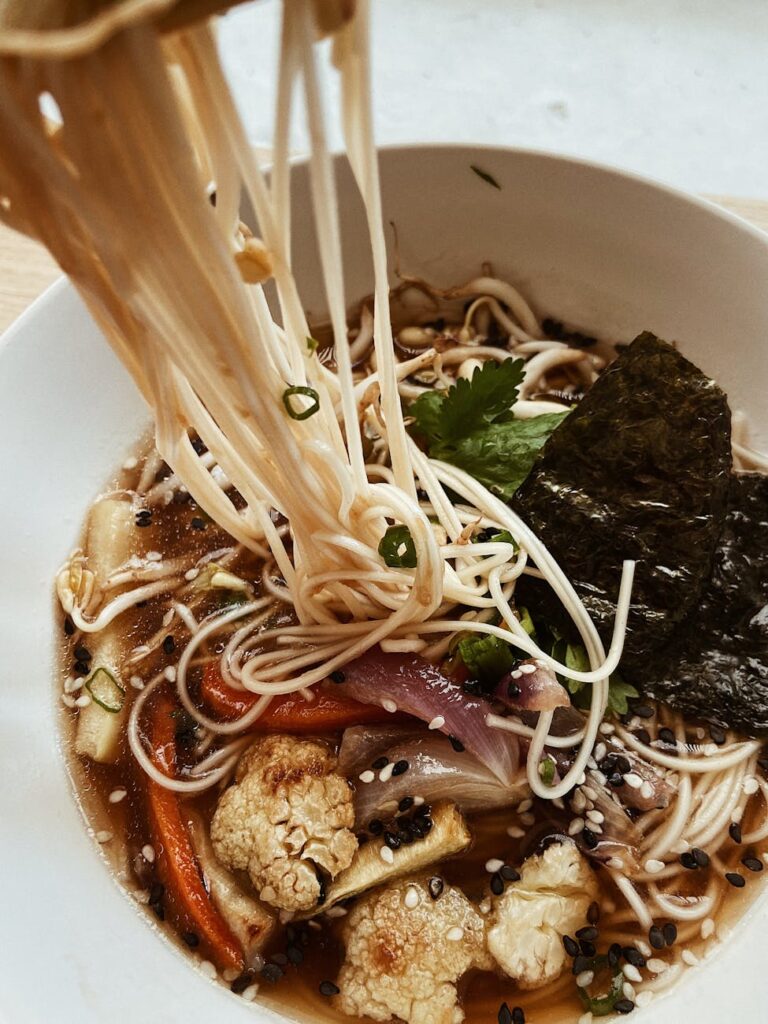
Everything You Need to Know About Nori
Introduction
Nori, the iconic seaweed that has become synonymous with sushi, is a staple in Japanese cuisine and beyond. With its rich umami flavor and vibrant green color, nori is not only a versatile ingredient but also a cultural symbol. This guide aims to delve into the many facets of nori, including its history, production methods, quality grading, uses, and storage considerations, ensuring you have a comprehensive understanding of this remarkable ingredient.
What Is Nori?
Nori is a type of edible seaweed, specifically from the species Porphyra, that is commonly used in Asian cuisines, particularly Japanese. It is harvested from the ocean, processed into thin sheets, and often toasted to enhance its flavor. Nori is well known for its distinct texture and taste, making it a crucial component of various dishes, including sushi rolls, onigiri (rice balls), and as a garnish for soups and salads.
History and Origins
The history of nori can be traced back over a thousand years in Japan, where it was first used as a food source. The earliest documented use of nori dates back to the 8th century, during the Nara period, when it was primarily consumed by coastal communities. These early varieties were often hand-harvested and sun-dried.
Nori gained popularity during the Edo period (1603-1868), when it was recognized for its culinary value. As sushi began to rise in fame, nori became more widely used as a wrapping for various sushi types, cementing its status in Japanese cuisine. Today, nori is cultivated in various regions around the world, including Korea, China, and the United States, each contributing unique methods and flavors.
Production and Processing
The production of nori involves several meticulous steps, from harvesting to drying and packaging.
1. Harvesting: Nori is typically harvested from coastal waters during specific seasons when the seaweed reaches optimal growth. The cultivation process often involves floating nets or rafts where the seaweed can thrive in nutrient-rich waters.
2. Washing and Sorting: Once harvested, the seaweed is thoroughly washed to remove impurities and unwanted marine life. This step is crucial to ensure the final product is clean and safe for consumption.
3. Blending and Grinding: The washed nori is then blended with water and ground into a slurry. This mixture is spread onto large screens to create thin sheets.
4. Drying: The sheets are then dried, often using hot air or in direct sunlight, before being toasted. Toasting not only enhances the flavor but also reduces moisture content, making the nori crispier.
5. Cutting and Packaging: After drying, the sheets are cut into standard sizes and packaged for distribution. Quality control measures are taken at every stage to ensure that the nori meets industry standards.
Quality and Grading
Nori quality is primarily determined by factors such as texture, color, and taste. The grading system for nori varies by country, but it generally falls into several categories:
1. Premium (A-grade): This nori is characterized by its vibrant green color, crisp texture, and rich umami flavor. It is typically used in high-end sushi restaurants.
2. Standard (B-grade): B-grade nori may have a slightly darker color and a less intense flavor. It is often used in casual dining and home cooking.
3. Lower Grades (C and D-grade): These grades may have a more brittle texture and are often used in products like snacks or as seasoning.
When purchasing nori, consumers are encouraged to look for products that specify their grade, as higher-quality nori will provide a more enjoyable culinary experience.
Buying Considerations
When selecting nori, several factors should be taken into account:
1. Type of Nori: Consider the intended use. Sheets of nori are ideal for sushi, while shredded nori might be better suited for garnishing or soups.
2. Packaging: Look for nori that is packaged in airtight containers or vacuum-sealed packages to maintain freshness.
3. Source: Research where the nori is sourced. Regions known for high-quality nori, such as Japan, Korea, and certain parts of the U.S., often produce superior products.
4. Expiration Date: Always check the expiration date to ensure that you are purchasing fresh nori. The flavor and texture can diminish over time.
5. Additives: Be mindful of any additives or preservatives listed on the packaging. Pure nori should contain minimal ingredients.
Uses and Applications
Nori is an incredibly versatile ingredient with a variety of culinary applications:
1. Sushi: Most notably, nori is essential in sushi preparation, serving as a wrap for nigiri, maki rolls, and temaki (hand rolls).
2. Onigiri: Nori is often used to wrap rice balls, providing flavor and a convenient way to hold the rice.
3. Soups and Broths: Shredded nori can be used as a garnish for miso soup or ramen, adding depth and flavor.
4. Salads: Nori can be crumbled over salads for added texture and a hint of ocean flavor.
5. Snacks: Toasted nori sheets are popular as a healthy snack, often seasoned with salt or other flavors.
6. Culinary Garnish: Nori can be used creatively in various dishes, including as a topping for grilled meats or in fusion dishes.
Storage and Shelf Life
Proper storage is crucial for maintaining the quality of nori.
1. Cool, Dry Place: Unopened nori should be stored in a cool, dry place, away from direct sunlight and moisture. A pantry or cupboard is ideal.
2. Refrigeration: Once opened, it is advisable to keep nori in an airtight container in the refrigerator to preserve its crispness and flavor.
3. Freezing: Nori can be frozen to extend its shelf life. However, it is important to ensure that it is well-sealed to prevent moisture absorption.
The shelf life of nori can vary, but generally, unopened packages can last for up to a year, while opened packages should be consumed within a few months for optimal taste.
Common Misconceptions
Despite its popularity, several misconceptions about nori persist:
1. Nori is Just Seaweed: While nori is a type of seaweed, it is cultivated and processed specifically for consumption, setting it apart from other seaweed varieties.
2. All Nori is the Same: Quality can vary significantly depending on the source and production methods, making it essential to choose high-grade nori for the best culinary experience.
3. Nori is Only for Sushi: While it is best known for sushi, nori’s applications extend far beyond, including snacks, garnishes, and various dishes.
4. Nori is Unhealthy: Nori is low in calories and contains beneficial nutrients, making it a healthy addition to a balanced diet when consumed in moderation.
Frequently Asked Questions
1. What is the best way to store nori?
Nori should be stored in a cool, dry place in an airtight container. After opening, refrigerating it can help maintain its freshness.
2. How can I tell if nori has gone bad?
Signs of stale nori include a change in color (darker or faded), a loss of crispness, and an off smell. If it feels chewy or rubbery, it is likely no longer good.
3. Can nori be eaten raw?
Yes, nori is safe to eat raw. In fact, most culinary applications involve using toasted or dried sheets, which are ready to eat.
4. Is there a difference between sushi nori and regular nori?
Sushi nori is typically of higher quality, characterized by its vibrant color and flavor. Regular nori may be used for various applications but might not meet the same quality standards.
5. Can I make my own nori?
While it is technically possible to make nori at home, the process is labor-intensive and requires specific conditions for optimal growth. It is generally more practical to purchase commercially produced nori.
6. What are the health benefits of nori?
Nori is low in calories, high in vitamins and minerals, and contains beneficial compounds such as antioxidants. However, moderation is key, as excessive consumption may lead to an imbalance in iodine levels.
In conclusion, nori is a multifaceted ingredient that holds significant cultural and culinary importance. Understanding its origins, production methods, grading, and applications can enhance your appreciation and enjoyment of this remarkable seaweed. Whether you’re a seasoned chef or a home cook, nori offers endless possibilities in the kitchen, making it a must-have in any pantry.