
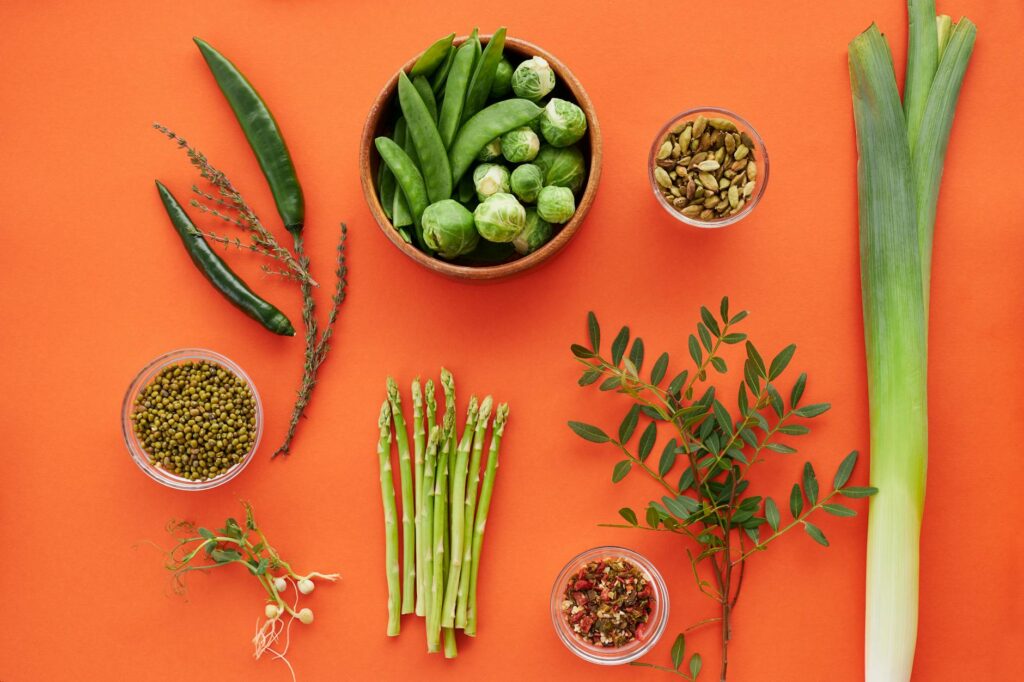
Everything You Need to Know About Pea Shoots
Introduction
Pea shoots, the tender young leaves and stems of the pea plant (Pisum sativum), are a delightful addition to culinary practices across the globe. Known for their delicate flavor and vibrant green color, these shoots are not just visually appealing but also serve as a versatile ingredient in a variety of dishes. This comprehensive guide explores everything you need to know about pea shoots, from their historical roots to practical applications in modern cuisine.
What Is Guides?
In the context of food ingredients, “guides” refer to the structured information that educates consumers and culinary professionals about specific ingredients. This encompasses their characteristics, uses, production methods, and more. Guides aim to enhance understanding and appreciation of ingredients, enabling better decision-making in food preparation and consumption.
History and Origins
Peas have been cultivated for thousands of years, with evidence suggesting their domestication as far back as 8,000 BCE in the Near East. The notion of consuming pea shoots specifically emerged later, as culinary practices evolved to embrace the entire plant rather than just the matured peas. Traditionally, cultures in Asia, particularly in China and Japan, have incorporated pea shoots into their diets, often using them in stir-fries and soups. The growing interest in farm-to-table practices and fresh ingredients has recently brought pea shoots to the forefront of culinary trends in the Western world.
Production and Processing
Pea shoots thrive in temperate climates and are typically grown in well-draining soil with plenty of sunlight. They are usually harvested within two to three weeks after germination when they are around 3 to 6 inches tall. The growth cycle is relatively short, making them a popular choice for urban farming and home gardening.
The harvesting process involves cutting the shoots just above the soil line, ensuring that the plant can continue to grow and produce more shoots. Once harvested, pea shoots are quickly processed to maintain their freshness. They are often washed, packaged, and transported to markets, where they are sold both fresh and as part of salad mixes.
Quality and Grading
Quality and grading of pea shoots are determined by several factors, including their freshness, color, and texture. High-quality pea shoots should have vibrant green leaves, a crisp texture, and a fresh, mild flavor.
When grading, producers often consider the following:
- Color: Bright green is optimal, indicating healthy growth.
- Texture: Shoots should be firm and crisp, avoiding any limp or wilted appearances.
- Size: Uniformity in size is preferred, as it ensures even cooking and presentation.
- Cleanliness: Shoots should be free from dirt, pests, and any signs of decay.
- Salads: Their crisp texture and mild flavor make them an excellent addition to salads, providing a fresh crunch.
- Garnishes: Pea shoots can be used as a garnish for soups, stews, and main dishes, adding visual appeal and a hint of flavor.
- Stir-Fries: These shoots can be quickly sautéed, retaining their bright color and adding nutritional value to stir-fried dishes.
- Sandwiches and Wraps: Their tender nature makes them perfect for sandwiches and wraps, offering a nutritious and flavorful layer.
- Smoothies: Pea shoots can also be blended into smoothies, providing a nutrient boost without overpowering other flavors.
- Refrigeration: Store pea shoots in the refrigerator, ideally in a breathable container or bag to prevent moisture buildup, which can lead to decay.
- Avoid Washing Until Use: Rinse pea shoots only before use to maintain their crispness and prevent spoilage.
- Shelf Life: Fresh pea shoots typically last about 5 to 7 days in the refrigerator. Be sure to check for any signs of wilting or decay regularly.
These quality indicators are crucial for both consumers and chefs who prioritize freshness and flavor in their dishes.
Buying Considerations
When purchasing pea shoots, there are several factors to consider to ensure you are getting the best quality:
1. Source: Opt for locally sourced shoots when possible, as they are likely to be fresher. Look for farmers’ markets or specialty grocery stores that prioritize local produce.
2. Appearance: Choose shoots that appear vibrant and fresh, avoiding any that are yellowing or wilting.
3. Packaging: If buying pre-packaged pea shoots, check the packaging for any signs of moisture or damage, which could indicate spoilage.
4. Seasonality: Pea shoots are typically available in spring and early summer. Buying them in season often guarantees better flavor and quality.
5. Organic Options: Consider purchasing organic pea shoots, which are grown without synthetic pesticides and fertilizers, ensuring a more natural flavor profile.
Uses and Applications
Pea shoots are incredibly versatile and can be utilized in various culinary applications:
Overall, they serve as a versatile ingredient, enhancing both flavor and nutrition in various meals.
Storage and Shelf Life
To ensure the longevity of pea shoots, proper storage is essential. Here are some tips for maintaining their freshness:
For those growing pea shoots at home, ensure they are harvested at the right time to maximize quality and flavor.
Common Misconceptions
Despite their growing popularity, there are several misconceptions surrounding pea shoots:
1. Pea Shoots Are Just Young Peas: While they come from the same plant, pea shoots are distinct from the actual peas. They encompass the young leaves and stems, which have a different flavor profile.
2. Pea Shoots Are Only Available in Spring: While they are most abundant in spring, advancements in agricultural practices have made it possible to grow pea shoots year-round in certain climates.
3. They Have No Nutritional Value: On the contrary, pea shoots are rich in vitamins A, C, and K, along with various antioxidants and dietary fiber, making them a nutritious addition to any diet.
4. Pea Shoots Are Difficult to Prepare: Pea shoots require minimal preparation. They can be easily added to dishes without any extensive cooking processes.
5. They Are Only for Gourmet Dishes: Pea shoots can be incorporated into everyday meals, making them accessible to both home cooks and professional chefs alike.
Frequently Asked Questions
1. Are pea shoots edible raw?
Yes, pea shoots are delicious when eaten raw and are often added to salads and sandwiches for a fresh, crunchy texture.
2. How do I know if pea shoots are fresh?
Fresh pea shoots should appear vibrant green, have a crisp texture, and be free from wilting or browning.
3. Can I grow pea shoots at home?
Absolutely! Pea shoots are easy to grow at home, requiring minimal space and just a few weeks to mature.
4. What do pea shoots taste like?
Pea shoots have a mild, sweet flavor reminiscent of fresh peas, with a slightly grassy undertone.
5. Can I cook pea shoots?
Yes, pea shoots can be sautéed or stir-fried quickly, retaining their vibrant color and nutritional value.
6. How should I store leftover pea shoots?
Leftover pea shoots should be stored in the refrigerator in a breathable container or bag, ideally unwashed until ready to use, to maintain freshness.
Conclusion
Pea shoots are a remarkable ingredient that bridges culinary history and modern gastronomy. Their versatility, nutritional benefits, and unique flavor make them an essential component in a wide range of dishes. Whether you’re a home cook looking to elevate your meals or a culinary professional seeking new ingredients, understanding pea shoots can enhance your culinary repertoire. With this guide, you are now equipped with the knowledge you need to appreciate and utilize this exceptional ingredient fully.